
Spotting luggage scams at the airport can help prevent theft, stress, and costly surprises.

Airports can be hectic, and that chaos creates opportunities for scams targeting your luggage. From impostors posing as airport staff to effortlessly swapped bags at claim carousels, these tactics are designed to catch travelers off guard. Knowing what to watch for, where these scams tend to happen, and how to respond can give you the upper hand. A few simple precautions can help keep your belongings safe and your trip on track.
1. Fake airport staff offering help to distract and steal your bag.

Some scammers dress like airport staff—vests, badges, clipboards—and offer unsolicited help with luggage. They work quickly, often near baggage belts or terminal exits. While one distracts, another disappears with a suitcase. Their clothing mimics real uniforms but lacks name tags or official airport logos.
Once the bag is gone, the trail tends to vanish too. Because these individuals blend into the airport flow, few bystanders notice the small switch that just happened. Trusted staff won’t approach travelers for help unless requested, and they usually remain at designated stations or info desks.
2. Baggage claim impostors grabbing unattended suitcases before owners arrive.
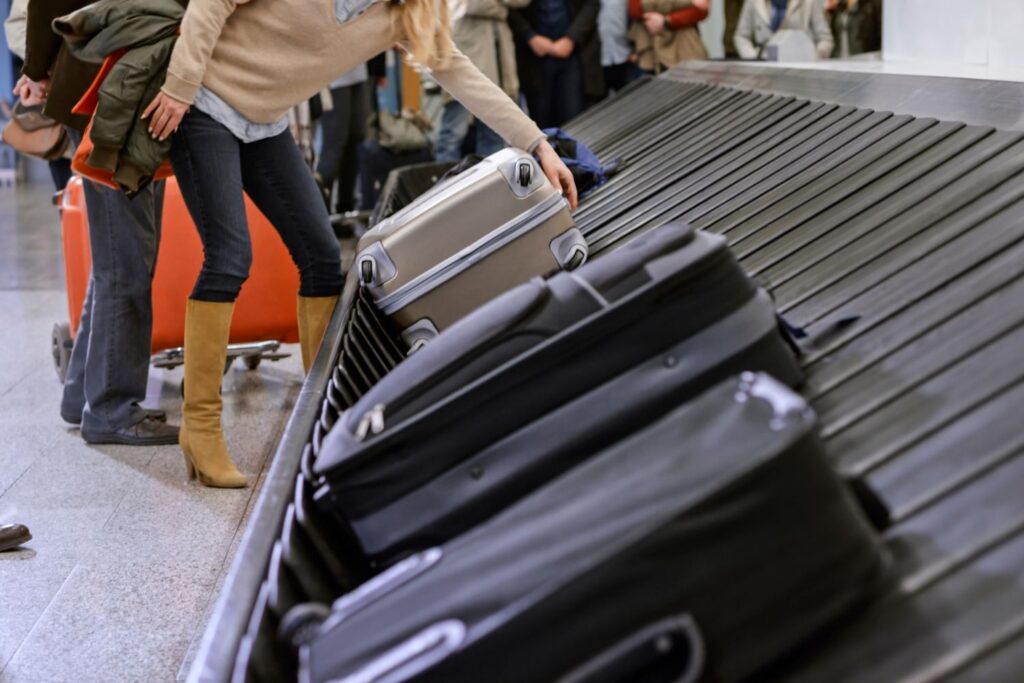
At some airports, impostors hang around baggage claim carousels, watching for late arrivals. They grab unattended or misidentified bags and walk off before travelers reach the belt. Their timing is tight and their behavior—calm, confident—keeps suspicion low in the crowd.
By the time the real owner notices the bag is missing, the impostor is long gone. In busy terminals, especially those with multiple exits, it can take minutes to realize what happened. A worn black carry-on, for instance, looks like dozens of others circling the belt.
3. Overpriced luggage wrapping services that offer no real protection.
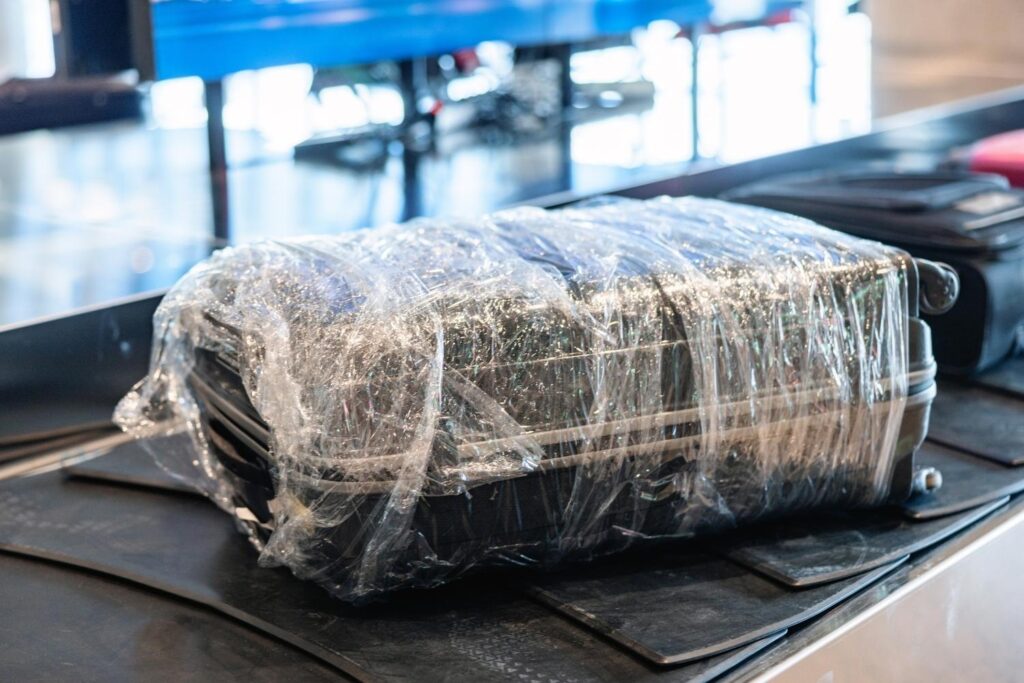
Luggage wrapping stations offer cling film coverage for a fee—sometimes three times the standard rate. The process is quick and flashy: bags spin on a small platform while plastic wraps around them. But the layers of film don’t guarantee protection from theft or mishandling.
Outfits marketing this service often claim added security or damage insurance, yet few actually provide either. In some cases, the wrap even delays inspection or triggers additional screening. A dented hard-shell suitcase wrapped like a gift may draw more attention, not less.
4. Drivers pretending to be official porters demanding tips or fees.

At arrivals, some scammers dress as porters or airport staff and insist on helping with luggage. They grab carts and lead travelers out of secure zones, then demand tips—sometimes aggressively. Their tone flips fast: friendly when offering help, firm when asking for payment.
They often work just past customs, where families and drivers wait. Because they never enter restricted areas, they usually avoid scrutiny. A standard rolling duffel tossed onto a cart becomes their tool for leverage once both traveler and bag are outside.
5. Scammers switching identical bags to steal valuables undetected.

Pairs or groups of scammers sometimes carry bags identical to common suitcase models. In busy zones, especially near baggage claim exits, they switch theirs with someone else’s similar-looking one. The goal is access to unlocked or lightly secured luggage containing valuables.
Owners often realize the swap hours later—at hotels or transit stops—only to find clothing replaced with decoys. The substituted bag may be clean but empty, with cosmetics or electronics removed. Onlookers rarely question the switch because the scammer appears calm and purposeful.
6. Fake damage claims at check-in used to extort quick payments.
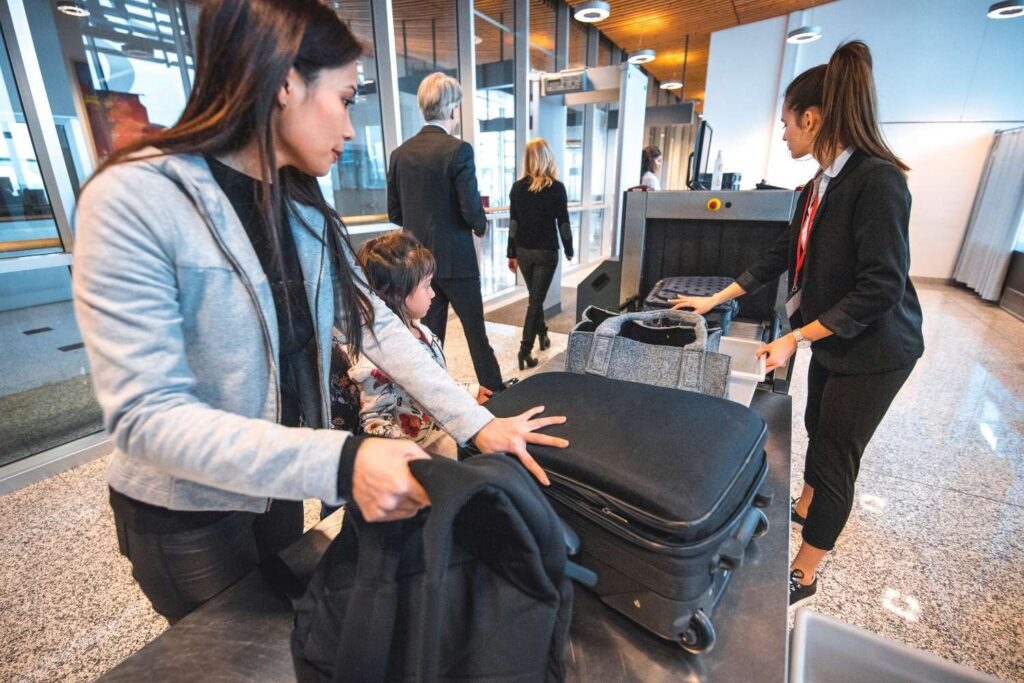
Some scammers claim a bag was already damaged at check-in. They accuse the owner of negligence or improper packing and suggest a fine or fast settlement. These confrontations often unfold at smaller airline counters during off-peak hours.
Without clear photos or time stamps, a traveler may feel pressured to pay. The scam plays on the fear of flight delays and the urgency to clear disputes before security. A cracked zipper or scratched handle, barely noticeable at first glance, becomes the focus of that dispute.
7. Luggage thieves posing as fellow travelers to gain your trust.
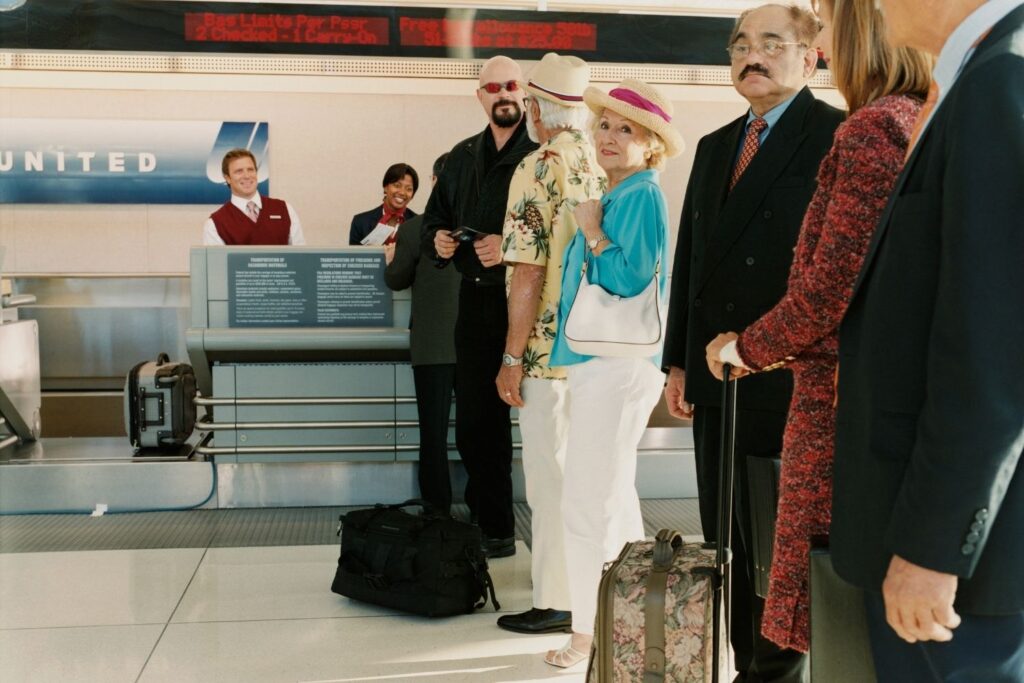
Thieves posing as fellow passengers often engage travelers in casual conversation, especially during long waits or flight delays. They ask about destinations or offer small travel tips while subtly scanning for unattended bags or open zippers on carry-ons.
Once trust is built, they may suggest watching your bag while you step away—then vanish. They tend to pick seats near departure gates where crowd turnover is fast and distractions frequent. A canvas backpack with a half-open pocket can be emptied without lifting the whole thing.
8. Unofficial taxi drivers loading bags into cars and driving off.
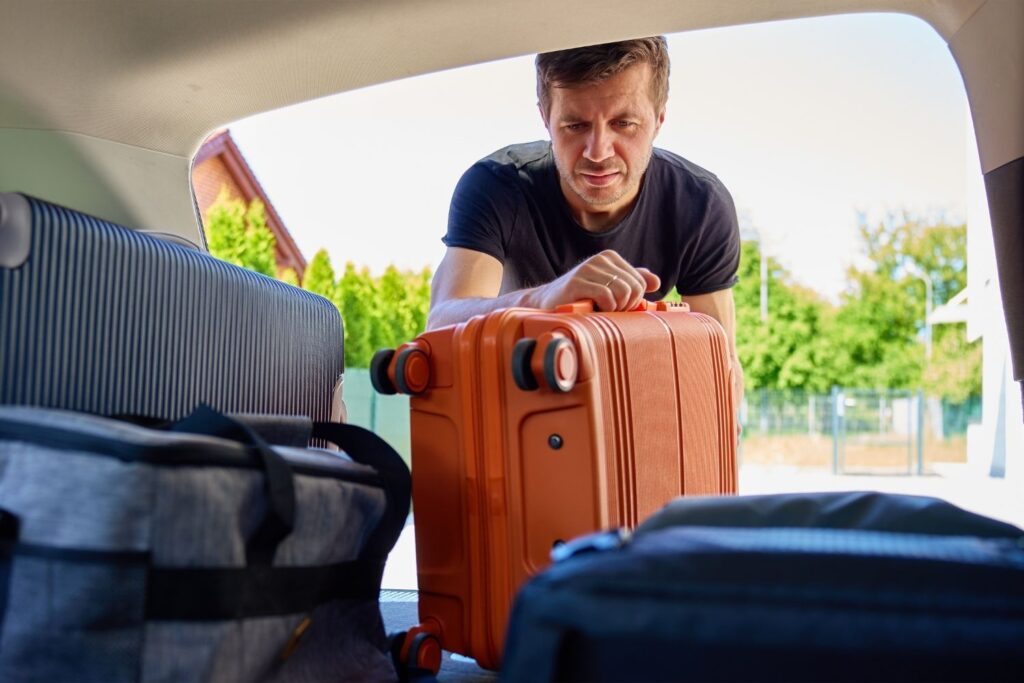
Outside baggage claim, unlicensed drivers sometimes park near official taxi stands. They load suitcases into waiting cars with practiced speed, claiming they work for a transport service. Once the bag is in the trunk, they may demand high fares—or drive off entirely.
Legitimate taxis typically follow dispatcher systems or printed rate lists. These scammers operate just outside security zones where regulation drops off. A soft-sided roller bag hauled toward a faded sedan might not draw attention until it’s already too far to follow.