
States still allow corporal punishment in schools—here’s what you need to know.
Despite widespread debate and growing opposition, corporal punishment remains legal in 17 U.S. states, allowing school officials to physically discipline students. In 1977, the Supreme Court ruled in Ingraham v. Wright that corporal punishment is constitutional, leaving the decision to states. While many see this as a relic of the past, others argue it enforces discipline.
In these states, school officials can legally strike students with wooden paddles, often with little oversight. While some communities defend the practice as a necessary disciplinary tool, research shows it can have long-term negative effects. Here’s where school spanking is still legal and why the debate continues.
1. Alabama: A deep-rooted tradition in school discipline.
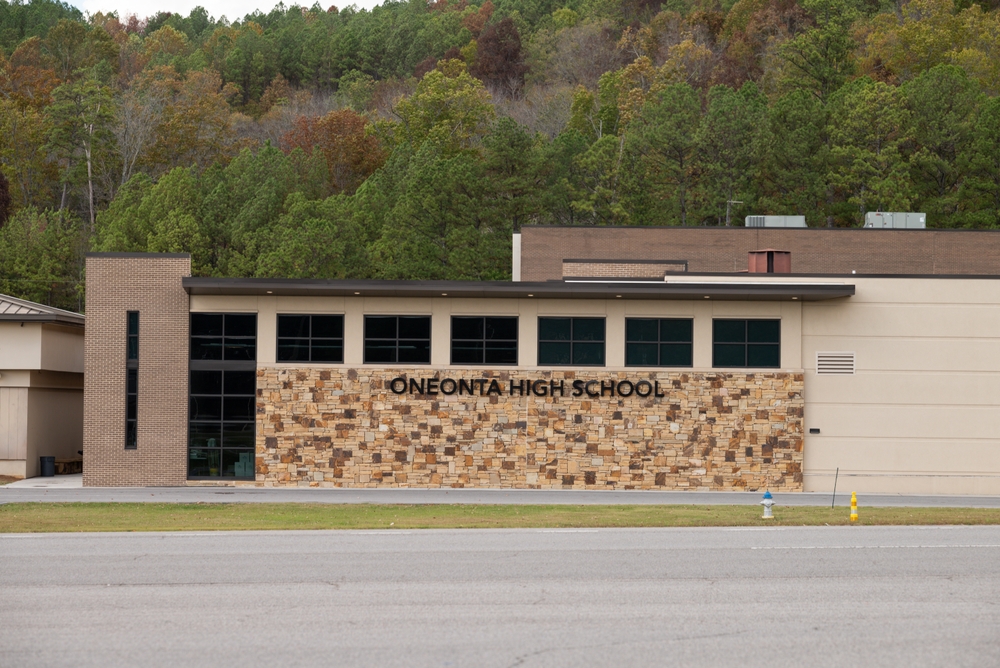
Alabama is one of the states where corporal punishment remains widely accepted, according to Mitchell Law. Many schools, particularly in rural areas, continue to use paddling as a disciplinary method, often with the support of local communities.
Despite opposition from child psychologists, Alabama lawmakers have not moved toward banning the practice. Some school officials argue that corporal punishment is a necessary tool for maintaining order, while others point to studies showing its harmful effects on children’s emotional well-being.
2. Arkansas: Where school paddling is still common.
Corporal punishment is legal and frequently practiced in Arkansas schools, according to Arkansas Times, particularly in conservative rural areas. Paddling remains a common disciplinary measure, with some districts explicitly supporting its use.
Critics argue that Arkansas’ reliance on physical discipline contributes to higher dropout rates and increased student anxiety. Despite opposition from advocacy groups, efforts to ban corporal punishment in the state legislature have repeatedly failed.
3. Florida: Another Southern state allowing school spanking.
Florida is often associated with progressive education policies, but some school districts still permit corporal punishment, according to NPR. The practice is most common in the northern and rural regions of the state.
Local efforts to ban paddling have been successful in some areas, but statewide reform remains elusive. Lawmakers continue to debate whether banning corporal punishment would improve student behavior or weaken classroom discipline.
4. Georgia: School paddling persists despite opposition.

Georgia allows corporal punishment in schools, though its use has declined in recent years, according to The Guardian. Some districts continue to rely on it, citing cultural traditions and parental support as justifications.
Research indicates that physical discipline in schools can lead to increased aggression and defiance in children. Advocacy groups are working to push state legislators toward banning the practice entirely, but opposition remains strong.
5. Idaho: A lesser-known corporal punishment state.

Idaho’s school discipline laws permit corporal punishment, though it is not as commonly used as in other states on this list. Some districts still allow paddling, particularly in conservative communities.
Child welfare advocates argue that Idaho should move toward alternative discipline methods that are backed by research. However, lawmakers have shown little interest in changing existing policies.
6. Indiana: A state divided on school discipline.
Indiana law allows corporal punishment in schools, though some districts have chosen to ban it at the local level. The practice is most prevalent in rural areas, where traditional disciplinary methods are favored.
Efforts to pass a statewide ban have been met with resistance from legislators who believe in maintaining local control over school discipline policies. However, support for reform continues to grow.
7. Kansas: Holding onto outdated discipline policies.

Kansas still allows corporal punishment in schools, but its use has declined significantly. Some districts maintain policies permitting paddling, though many have voluntarily phased it out.
Supporters of corporal punishment argue that it reinforces respect for authority, while opponents highlight research showing that physical discipline leads to negative long-term consequences for students.
8. Kentucky: School spanking remains on the books.

Corporal punishment is legal in Kentucky, and some districts continue to administer it despite opposition from educators and parents. Paddling is primarily used in rural schools.
Recent efforts to ban corporal punishment in Kentucky have gained traction, with lawmakers considering bills to end the practice. However, resistance from conservative legislators has slowed progress.
9. Louisiana: Slow to change despite national criticism.
Louisiana schools are legally allowed to use corporal punishment, and many districts still implement paddling as a disciplinary measure. Some educators believe it serves as an effective deterrent to misbehavior.
Critics argue that Louisiana should follow other states in banning the practice, citing studies showing the harmful psychological effects of physical punishment. However, reform efforts have faced significant opposition.
10. Mississippi: The highest rate of school paddling in the country.

Mississippi has the highest recorded use of corporal punishment in schools, with thousands of students paddled each year. The practice is deeply ingrained in many school districts.
Despite criticism from child welfare organizations, Mississippi lawmakers have shown little interest in banning school spanking. Supporters claim it is an effective disciplinary tool, while opponents argue it disproportionately affects marginalized students.
11. Missouri: A controversial but legal practice.

Missouri law permits corporal punishment in schools, though many districts have chosen to stop using it. Some rural areas still rely on paddling as a form of discipline.
Opponents argue that Missouri should follow other states in banning school spanking, but legislative efforts to do so have been unsuccessful. Many school officials continue to support its use.
12. North Carolina: A state gradually phasing out corporal punishment.
Corporal punishment remains legal in North Carolina, though its use has declined significantly. Many districts have implemented local bans, but statewide reform has not yet passed.
Advocacy groups continue to push for a total ban, arguing that alternative discipline methods are more effective. Public opinion is shifting, but resistance remains among some conservative lawmakers.
13. Oklahoma: Where paddling is still used in some schools.

Oklahoma allows corporal punishment in schools, and some districts continue to enforce paddling policies. Supporters argue that it is a quick and effective disciplinary measure.
Critics, however, point to research showing that corporal punishment leads to increased behavioral problems and emotional distress. Efforts to ban the practice have faced strong opposition from traditionalist communities.
14. South Carolina: Slow-moving efforts to end corporal punishment.
South Carolina still permits corporal punishment, though many districts have abandoned the practice. Some schools continue to use paddling, particularly in rural areas.
Legislative efforts to ban school spanking have been introduced but have failed to gain enough support. Advocates continue to push for reform, citing studies that highlight the harms of physical punishment.
15. Tennessee: Traditional discipline versus modern research.

Tennessee schools can legally administer corporal punishment, though its use is declining. Some districts have moved away from paddling, but others continue to support it.
The debate over school discipline remains strong, with research increasingly showing that alternative methods are more effective than physical punishment. However, traditionalist communities continue to resist change.
16. Texas: The largest state where school spanking is still legal.

Texas remains one of the most prominent states allowing corporal punishment. While many districts have banned it, others still permit school paddling, particularly in rural areas.
Despite growing opposition, legislative efforts to ban corporal punishment in Texas have repeatedly failed. Supporters argue that spanking enforces discipline, while critics highlight its harmful psychological effects.
17. Wyoming: A surprising holdout on school spanking laws.

Wyoming allows corporal punishment in schools, though it is rarely used compared to other states on this list. Some districts maintain paddling policies, particularly in rural areas.
Advocates for reform argue that Wyoming should eliminate school spanking entirely, but resistance from conservative lawmakers has prevented progress. The debate continues as more educators call for alternative discipline strategies.