
These practical old-school abilities still hold value for everyday confidence and self-reliance.

Some once-basic life skills are fading from daily habit, even though they still serve practical, grounding purposes. Tasks like sewing on a button, balancing a budget by hand, or using a paper map may seem old-fashioned, but they offer quiet, durable forms of independence. Revisiting these tactile, thoughtful abilities can help foster better self-sufficiency and strengthen the muscles of daily problem-solving in a world largely driven by screens and shortcuts.
1. How to sew a button without needing a tutorial every time.

Securing a button by hand involves threading a needle, anchoring fabric, and stitching through holes in a steady cross or box pattern. Most people rush, but the thread’s tension and neatness can affect how long the fix holds.
Once a muscle memory more than a skill, button-sewing played a small role in tuition-free self-reliance. A missing button on a coat in a school gym or an office elevator can trip up a day—unless hands remember the loop and pull just right.
2. Balancing a simple household budget with paper, pencil, and focus.

Keeping a household budget on paper slows the mind in a useful way. Listing fixed and variable costs with pencil margins makes each column feel tangible; grocery categories, rent, and transit unstitch from screen distractions and become a clear monthly rhythm.
Without autofill or app alerts, small financial patterns can surface. Someone might notice how coffee shop visits spike after stressful meetings or how utilities creep up in colder months—insights a spreadsheet doesn’t always offer with the same immediacy.
3. Reading an analog clock without checking a phone for the time.

Telling time on an analog clock involves spatial logic and visual rhythm. The big hand tracks minutes, the short hand sits in hours, and each face becomes a loop of shifting angles that requires a pause—and often two glances—to translate.
Phones default to precision, but analog clocks ask for engagement. Standing in a quiet lobby beneath a ticking wall clock, someone might sharpen their sense of pace without even checking their calendar or count-down alert.
4. Memorizing important phone numbers in case the battery dies.

Before smartphones stored entire contact lists, people committed numbers to memory—ten digits, grouped by pattern, embedded like lyrics. It’s less common now, but remembering even a few key contacts can be a quiet pivot point during emergencies.
Say a phone gets stolen at a gas station or dies on a mountain hike. Relief has a faster path when a brain, not a battery, carries a loved one’s digits with crisp clarity.
5. Navigating with a paper map when GPS is out of reach.

Using a paper map requires orientation, spatial sense, and stopping to reroute without prompts. North isn’t auto-labeled and mistakes don’t recalculate instantly. Still, tracing a road’s curve with a fingertip can anchor someone more solidly than a blinking dot on a screen.
A glove compartment atlas becomes useful when signal drops or batteries quit—say on a camping road out of range or during a long train strike rerouting. It’s slower, but more grounded under pressure.
6. Writing a thank-you note that feels genuine and thoughtful.

A crafted thank-you note lives between letter and keepsake: not formal, not casual, but deliberate. A well-placed sentence—specific, succinct—can warm a fridge door, a desk corner, or a drawer under favorite pens.
In a stack of envelopes, one written by hand often gets read twice. A thank-you that names the action or thought behind a gift can linger longer than the gift itself.
7. Ironing a dress shirt so it looks pressed and purposeful.
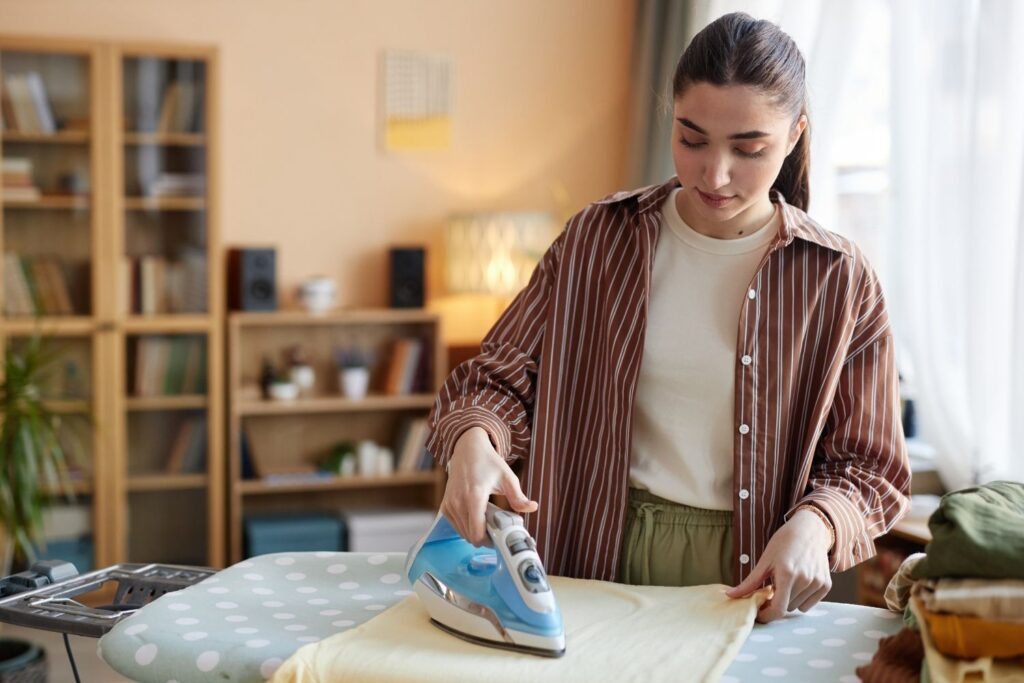
Crisp shirts don’t start that way. Handling a hot iron safely over collar points, plackets, and cuffs means smoothing cotton with steady hands, not steam alone. The trick is mapping a sequence: back panel, shoulders, sleeves, front—then hang immediately.
Dragging a wrinkled shirt from a carry-on doesn’t look intentional. But one that’s been pressed with care, even near an outlet in a motel room, catches light with quiet sharpness.
8. Cooking a complete meal without using prepackaged shortcuts.

Cooking from scratch builds timing, knife rhythm, and attention to heat. Preparing a meal with raw ingredients—not a seasoning packet or frozen entrée in sight—draws kitchen experience into sharper focus, especially when flavor depends on layering, not shortcuts.
Someone who sautés onions until they go translucent knows when to add garlic, when to stir fast, and when the sauce thickens naturally. The meal doesn’t just fill—it teaches.
9. Replacing a flat tire without calling for roadside help.

Replacing a flat tire starts with loosening lug nuts in a star pattern and working a jack on solid ground. Muscle memory matters more than strength. The process ends with tightening bolts and testing pressure—not calling a stranger roadside.
It’s not glamorous, but it’s powerful. Picture a rain-slick shoulder off a rural highway—no signal, just tools and time. Knowing how to shift a spare into place turns stress into motion.
10. Starting a conversation with a stranger without awkwardness.

Small talk opens with tone, not script. Making eye contact, asking relevant questions, and listening instead of waiting to speak—these build a smooth conversational rhythm that doesn’t feel forced. The skill lives in back-and-forth, not clever openings.
At a wedding reception or boarding gate, an easy chat about someone’s destination or shoes withstood time and language. A conversation that starts soft might lead farther than it seems at first hello.
11. Cleaning a bathroom thoroughly using a basic set of tools.
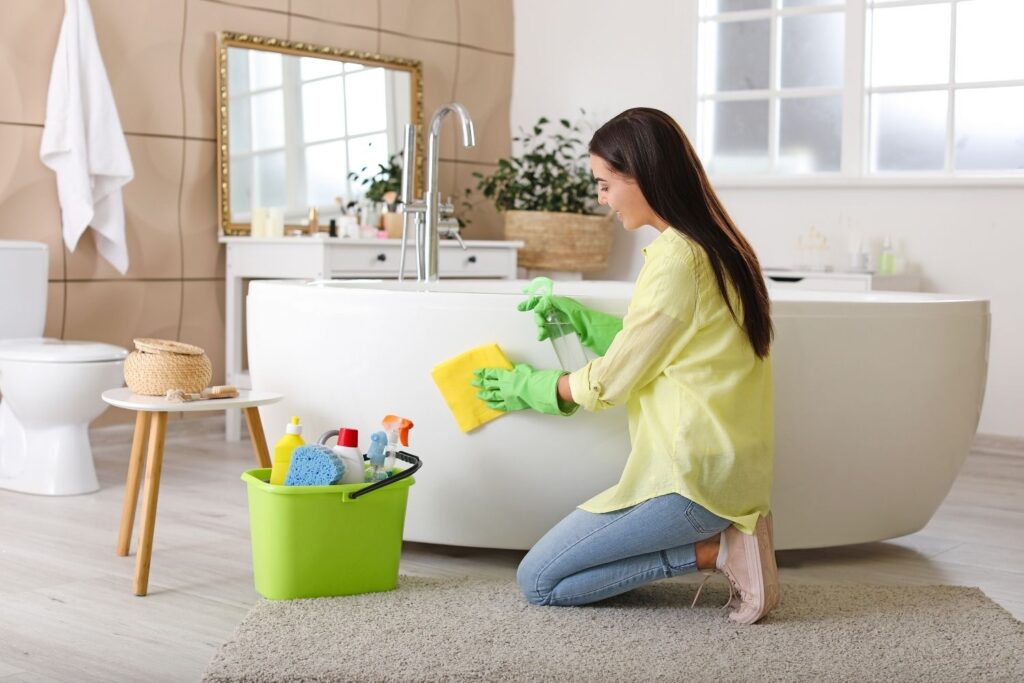
A deep-cleaned bathroom doesn’t rely on fancy sprays. Just a scrub brush, sponge, baking soda, vinegar—and elbow grease. Corners need focus, mirrors like streak-free honesty, and fixtures gleam with towel wicks.
One overlooked rim or base can shift the feel of a whole space. Guests might never comment, but they’ll register clean tile, safe footing, and that faint lemon trace from a rinsed sink.
12. Growing vegetables in a small backyard or window container.

Growing vegetables in tight spaces begins with soil, light, and clean drainage. Small planters on a window ledge or plastic tubs on a porch can yield sprigs of oregano or clusters of lettuce with patience and water.
In one city apartment, a single tomato vine climbs a string tacked above the sink. It may only yield a handful, but that first ripe fruit becomes both meal and reward.
13. Fixing a loose hinge or squeaky door with a simple toolkit.
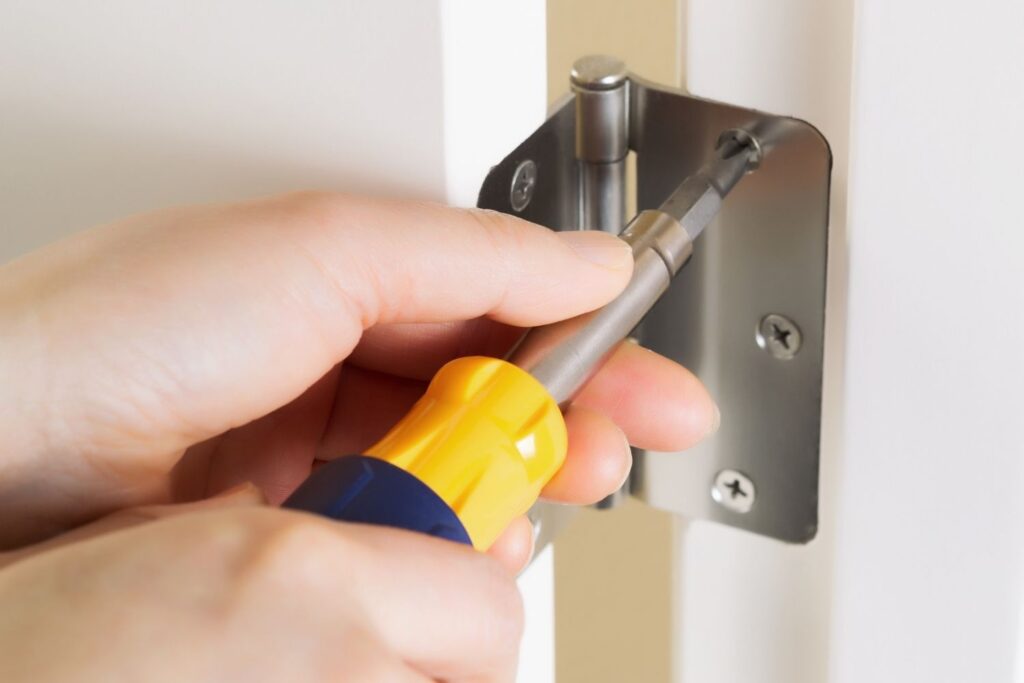
A squeaky hinge likely needs only a screwdriver and a dot of oil. Tightening loose screws and easing metal friction reintroduces control where small annoyances tend to linger silently until they irritate.
Inside a linen closet or bathroom door, the fix takes minutes. Yet every silent swing afterward reminds someone: handy doesn’t mean handy-person, just willingness and a simple toolkit close by.
14. Folding laundry properly so clothes stay neat and wrinkle-free.

Folding laundry for order—not just speed—means following fabric lines and smoothing wrinkles before they set. Shirts stack better when sleeves tuck in, and towels feel neater when corners square.
A drawer full of crisply folded clothes saves time later. At a glance, a favorite shirt is visible, ready, and not buried. It’s not perfection—just habits that shrink morning chaos.
15. Checking and adding oil to a car without second-guessing.
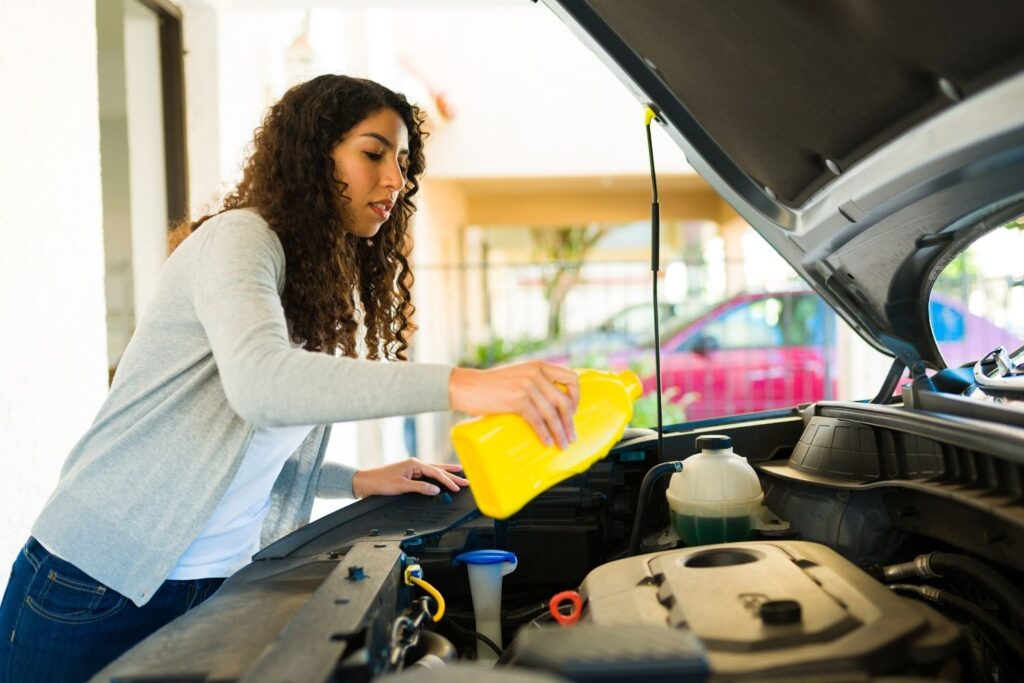
Checking a dipstick means engine off, rag in hand, and reading clean oil between indicator marks. Adding oil calls for slow pours and firm caps, keeping the machine healthy without guesswork.
Caught between errands and a dashboard light, someone who knows this avoids problems. They clear the smoke before it rises, often with a quart bottle stashed by the spare tire.
16. Mending a torn hem or loose seam with basic stitches.
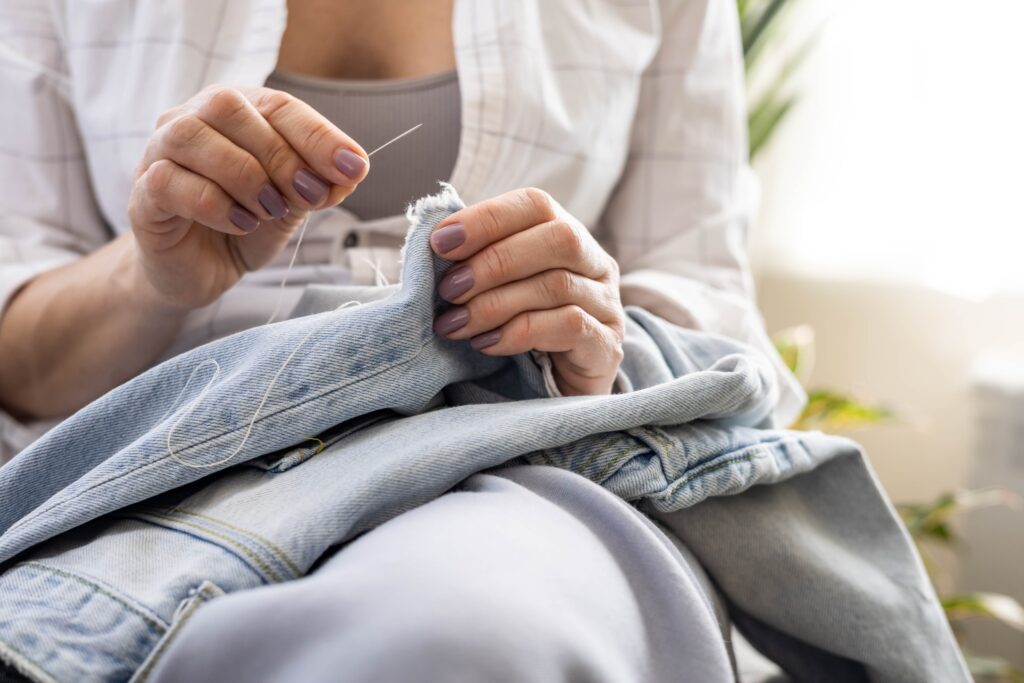
Basic stitches can fix a hem without fanfare. A needle, thread, and steady hand close gaps gently, with running stitches or a quick whipstitch that hides on the inside.
A skirt caught on a cabinet knob or a jacket torn while moving boxes doesn’t need hours—just confidence. Mending transforms fast fashion into functional clothing again, with a line no wider than a fingernail.
17. Making a bed with hospital corners and crisp precision.

Hospital corners tug flat sheets snug under a mattress with pocket-tight precision. The fold sits at a diagonal, secured by tucking the excess square before locking it beneath.
A hotel bed often signals cleanliness by linen tension alone. At home, one made this way lets the weight of sleep feel more anchored, more contained—even if the rest of the room feels undone.