
By embodying these quality traits, you become a guiding light for your children and grandchildren.

Your children and grandchildren look to you as a model of strong character and integrity. They’re watching closely, learning valuable lessons from your actions and words. Whether you realize it or not, your behavior sets the tone for what they’ll expect of themselves and others. They absorb your values, imitate your responses, and often carry the emotional legacy you leave behind.
Here are 15 important traits that young family members hope to see in you, helping you become a lasting positive influence for years to come.
1. Honesty and Integrity

Children and grandchildren deeply value honesty, especially when they’re learning how to make sense of a complicated world. When they see that your words match your actions, they begin to understand that truthfulness builds the foundation of trust. It’s in those quiet, everyday moments—admitting a mistake, telling the truth even when it’s uncomfortable—that your integrity shines the brightest. They notice when you speak openly and when you avoid small lies just to keep the peace.
Living with integrity doesn’t mean being perfect—it means being real. It’s the courage to be transparent, consistent, and fair, even when no one’s watching. When you model that kind of authenticity, your children and grandchildren begin to internalize it. They learn to trust not just others but themselves, recognizing that doing the right thing often takes strength and humility. Your example becomes a moral compass they carry into every friendship, job, and relationship.
2. Kindness and Compassion

Kindness leaves a lasting impression—one that echoes across generations. When your children or grandchildren witness you speaking gently to a cashier, comforting a grieving friend, or offering help without being asked, they learn that compassion is not just a feeling—it’s an action. Your willingness to see the humanity in others teaches them to approach the world with empathy rather than judgment.
Compassion also means being emotionally available to your family, Dr. Jacinta Jimenez shared at BetterUp. When they come to you with a struggle, your ability to respond with warmth and understanding speaks volumes. It tells them that they are safe to be vulnerable. In a world that can be harsh and fast-paced, your kindness becomes a sanctuary. Over time, they carry this softness into their own lives, building relationships that are based on mutual care, patience, and respect.
3. Patience and Understanding

Patience doesn’t just show up in moments of peace—it’s forged in the chaos. It’s in the times when your grandchild asks you the same question five times, or your adult child vents about a problem they haven’t solved yet. Choosing to respond with grace instead of irritation teaches them that love isn’t rushed—it’s steady, even when tested.
Being understanding doesn’t require you to have all the answers. It simply asks you to listen—to really listen—without jumping in with solutions or judgment. This practice of holding space creates a profound sense of connection. Your calm presence teaches them that it’s okay to slow down, to think things through, and to trust that they’ll be met with acceptance. Through your patience, they learn how to treat others with gentleness and how to give themselves room to grow.
4. Responsibility and Dependability

When you show up consistently, keep your promises, and follow through on your word, your family feels a sense of stability that they can count on. Being dependable is more than doing what you say you’ll do—it’s about showing up emotionally and physically for those who need you. Whether it’s remembering a birthday, showing up to a school play, or simply checking in regularly, your reliability speaks volumes.
Responsibility is another pillar of this trust. When you own your role in the family—be it as a parent, grandparent, or sibling—you demonstrate the importance of taking initiative and being accountable. Younger family members watch you and learn that showing up matters, even when it’s inconvenient. They see that being dependable doesn’t mean being perfect—it means being present and invested in the people you love.
5. Humility and Gratitude

In a culture that often values self-promotion, humility is a quiet kind of power. When your children and grandchildren see you admit when you’re wrong or give credit where it’s due, they understand that true strength doesn’t need to shout. Humility keeps relationships grounded and fosters respect. It shows them that it’s okay not to have all the answers—and that listening and learning are lifelong practices.
Gratitude works hand-in-hand with humility. When you consistently express thanks for the people in your life, the food on your table, or even the small joys of the day, you model a mindset that focuses on abundance rather than lack. Your family sees this and starts to realize that fulfillment doesn’t come from chasing more—it comes from appreciating what already exists. Your humble gratitude becomes a light they follow in their own search for contentment.
6. Perseverance and Resilience

Your willingness to push forward during life’s roughest seasons leaves a lasting imprint. Whether it was a health scare, financial setback, or family loss, your children and grandchildren notice how you kept going. They see your quiet determination, and it tells them: “You’re stronger than you think.” This resilience becomes a powerful reminder that setbacks aren’t the end of the story—they’re part of it.
Perseverance isn’t always flashy. Sometimes it looks like getting up when you don’t feel like it or continuing to show up for someone who’s struggling. It’s this steady, long-game approach to life that builds inner strength. By living it, you teach them that challenges are part of growth. You give them the tools to keep moving, to believe in better days ahead, and to meet adversity not with fear, but with fierce hope.
7. Respectfulness and Good Manners

Respect isn’t just about saying “please” and “thank you.” It’s about how you make others feel seen and valued. When you listen without interrupting, treat service workers with dignity, or greet people warmly regardless of their background, you set a tone that your children and grandchildren absorb. Respectful behavior teaches them that kindness isn’t optional—it’s foundational to how we treat one another.
Good manners, too, go beyond formality—they reflect emotional intelligence. When you model consideration, it helps them understand that every person matters. Whether you hold a door open or write a thank-you note, those small gestures signal deeper values. Over time, your example shapes how they communicate, resolve conflict, and move through the world. They learn that respect isn’t earned by status—it’s a given in every interaction.
8. Generosity and Selflessness

Generosity isn’t just about money—it’s about giving your time, your energy, and your attention freely. When your children or grandchildren see you showing up for others—offering to help a neighbor, cooking a meal for someone sick, or volunteering your time—they learn that giving is a source of meaning, not burden. Your generosity sets a tone of abundance and community.
Selflessness is an extension of that giving heart. It means putting others first, not out of obligation but from genuine care. Your willingness to share, even when it’s inconvenient, speaks volumes. These acts of service teach them that a full life isn’t built on what you keep—but on what you share. You help them grow into people who are thoughtful, empathetic, and ready to lift others up.
9. Curiosity and Love for Learning

When you show excitement about a new book, pick up a hobby, or ask thoughtful questions about the world, your curiosity becomes contagious. Children and grandchildren take note and begin to see learning as something enjoyable—not just something required. They learn that growing older doesn’t mean growing stagnant. Instead, it means becoming more open to discovery.
Loving to learn also shows humility—that no matter how much we know, there’s always more to explore. Whether you’re learning about history, gardening, or a new technology, your enthusiasm demonstrates that life never stops unfolding. It inspires them to stay curious, ask better questions, and explore new perspectives. Your thirst for knowledge helps them value their own education, not as a destination, but as a lifelong adventure.
10. Fairness and Impartiality

Fairness teaches young people how to trust that they’ll be heard and treated with equality. When they see you listening to all sides of a story, treating each person with equal respect, and making thoughtful decisions, they internalize what it means to be just. It tells them that doing what’s right isn’t about favoritism or bias—it’s about compassion and balance.
Impartiality matters deeply, especially in families where emotions can run high. When you respond to conflict with calmness and objectivity, you create a space where people feel safe and valued. Your sense of fairness becomes a framework for how they make decisions, handle disagreements, and resolve tension. You help them build relationships that are not just emotionally supportive, but ethically grounded.
11. Optimism and Positivity

Optimism isn’t about ignoring life’s challenges—it’s about choosing to see possibility, even in difficulty. When your children and grandchildren watch you face hardship with a hopeful spirit, they learn that positivity is a choice, not a personality trait. It’s a mindset that sees opportunity in setbacks and joy in the small, everyday victories.
Your positive attitude has a ripple effect. Whether you’re smiling through a tough day or celebrating tiny wins, your light helps lift the emotional temperature for everyone around you. Over time, your resilience teaches them that life is not always easy—but it can be beautiful, even in the mess. They begin to carry that same outlook forward, giving hope not just to themselves, but to others.
12. Strong Work Ethic

Work ethic isn’t just about how hard you work—it’s about how you approach work with purpose and integrity. When your family sees you taking pride in your efforts, whether it’s yard work or a long-term career, they begin to associate work with dignity and meaning. Your consistency and attention to detail become a silent lesson in how to pursue excellence without arrogance.
A strong work ethic also teaches delayed gratification. They see that not all rewards come quickly—and that real achievement takes time. Whether it’s finishing a project or helping out around the house, your example builds a mindset of perseverance and grit. You show them that effort matters and that fulfillment often comes from doing your best, regardless of who’s watching.
13. Self-Control and Discipline

Self-control shows young family members how to manage emotions rather than be controlled by them. When you take a breath instead of lashing out, or when you make healthy choices even when tempted, your discipline becomes a living example of personal power. It tells them that they can shape their lives by shaping their reactions.
Discipline isn’t about being rigid—it’s about being intentional. When they watch you stick to a routine, set boundaries, or make thoughtful decisions, they learn that structure brings freedom. Your self-control becomes a model for how to handle stress, set goals, and remain focused even in distraction. These habits set them up for success in school, relationships, and personal growth.
14. Accountability and Honesty

Being accountable means owning your actions, especially the mistakes. When you apologize sincerely or admit when you’ve let someone down, your children and grandchildren see that accountability isn’t weakness—it’s maturity. They learn that mistakes aren’t failures to hide, but opportunities to grow.
Your honesty reinforces this by showing that truth builds bridges. Whether it’s being open about your past or simply telling the truth in tough conversations, your example helps them navigate their own lives with clarity and courage. They come to understand that integrity isn’t about never messing up—it’s about how you show up afterward. You give them permission to be real, and to do the right thing even when it’s hard.
15. Love and Unconditional Support
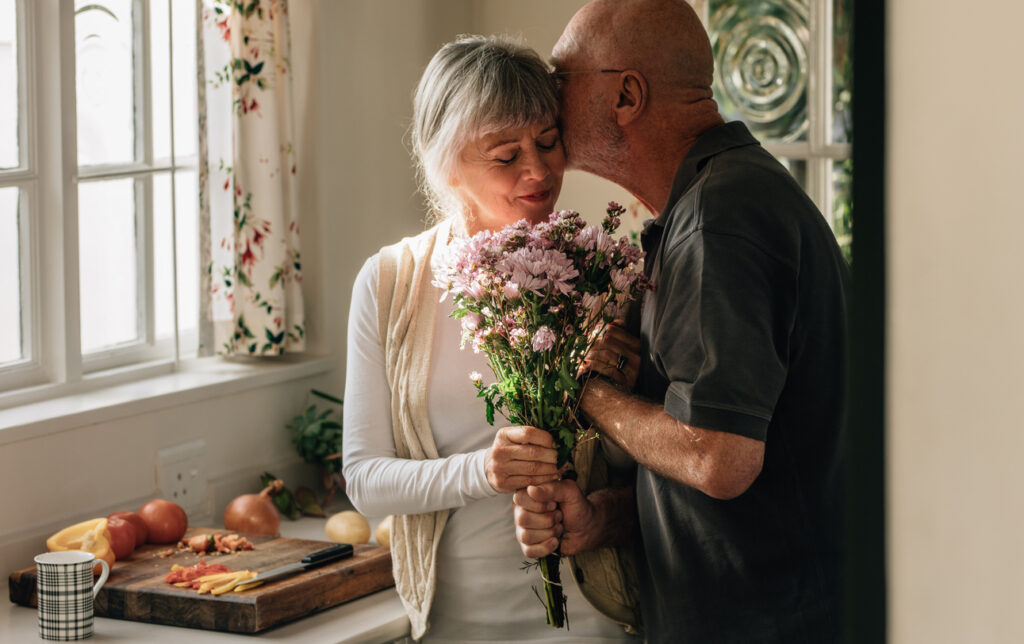
Above all else, your love is what shapes your family’s deepest sense of self-worth. When they feel accepted, encouraged, and protected by you, it becomes a steady foundation they can return to throughout their lives. Your love reminds them that they don’t have to earn their place in the world—they already belong.
Unconditional support means being present in both the high and low moments. Celebrating their successes, yes—but also sitting with them through heartbreak, doubt, and fear. Your consistency offers them emotional safety, helping them develop resilience and courage. In a world full of expectations and judgment, your unwavering love becomes their greatest anchor. It tells them, without question: you are enough.