
Why boomers struggle with these ‘woke’ labels but aren’t as out of touch as you think.

We get it—language evolves, and every generation brings new ideas to the table. But let’s be honest, some of these so-called “woke” labels leave us Boomers scratching our heads. It’s not that we’re against progress or that we want to live in the past, but when familiar words suddenly become problematic and new terms pop up overnight, it can feel like we’re being told that everything we grew up believing is wrong.
We’re not resisting change just to be difficult—we’re just trying to understand a world that feels like it’s moving at warp speed.
1. Toxic masculinity isn’t about hating men, but it sounds like it is.

When we hear the term “toxic masculinity,” it feels like an attack on men as a whole. Many of us grew up with strong male role models who worked hard, provided for their families, and took pride in being tough. We weren’t raised to see those qualities as harmful, so when younger generations use this phrase, it’s hard not to take it personally.
2. Latinx is well-intentioned, but most of us aren’t buying it.

We understand that language evolves to be more inclusive, but “Latinx” is one of those words that feels more like a social media creation than something real people actually say. Most Latinos we know don’t even use it! Changing an entire language—especially one as deeply rooted in tradition as Spanish—just to accommodate a small group’s preferences seems unnecessary.
3. Being told to ‘check our privilege’ feels dismissive of our struggles.
Boomers grew up believing that hard work leads to success, so when we hear “check your privilege,” it often feels like our personal struggles are being dismissed. Many of us came from humble beginnings, worked multiple jobs, and fought for everything we have. We didn’t feel “privileged” when we were scraping by to support our families.
4. We were taught that not being racist was enough.
In our generation, being a decent person meant treating everyone fairly and not judging people by their race. That was the standard, and many of us still live by it. So when we’re told that simply “not being racist” isn’t enough, it can feel like an accusation—that we’re somehow complicit in racism just by existing.
5. The idea of gender as a spectrum is hard to grasp.
We grew up in a world where gender was simple—boys were boys, girls were girls, and that was that. Now, we’re being told that gender is a spectrum, and while we’re trying to understand, it’s a tough mental shift. This isn’t about stubbornness; it’s about unlearning decades of ingrained beliefs.
6. Pronouns are confusing, and we’re not trying to be rude.

We want to be respectful, but for those of us who spent a lifetime using “he” and “she” without a second thought, suddenly having to adjust our language can be tricky. The frustration comes when mistakes are met with hostility rather than understanding.
If you want people to adapt, correcting them with kindness instead of condemnation will make the transition much smoother. Most of us don’t have bad intentions—we just need time to get it right.
7. ‘Defund the police’ is a terrible slogan.

We know there are problems in law enforcement that need to be addressed. Many of us have seen police brutality in the news and understand that some police reforms are necessary. But the phrase “defund the police” makes it sound like people want to abolish law enforcement entirely, and that’s terrifying.
If the real goal is reallocating resources to mental health and community programs, then say that. The wording matters, and if a slogan instantly alienates the people you need to convince, it’s not doing its job.
8. Cultural appropriation isn’t always clear-cut.

We understand that some cultural symbols carry deep significance and shouldn’t be treated like fashion trends. But sometimes, it’s hard to tell where appreciation ends and appropriation begins. If someone loves a certain cuisine, hairstyle, or tradition, does that automatically mean they’re being disrespectful?
Intent matters. If someone is adopting elements of another culture with genuine admiration, that should count for something. We’re willing to listen, but making everything a “don’t do this” rule just makes people afraid to engage with different cultures at all.
9. Representation in media is changing fast, and it’s an adjustment.

We’re not against diversity in movies and TV, but when classic characters are reimagined just to check a box, it can feel forced. We love seeing new stories told, but changing existing ones to fit a new narrative sometimes feels like rewriting history instead of adding to it.
That said, we understand that representation matters. Everyone deserves to see themselves reflected in media. We just want to see diversity happen naturally rather than feeling like it’s being mandated.
10. Microaggressions make us feel like we have to walk on eggshells.

We understand that words matter and that small, unintentional comments can sometimes be hurtful. But for many Boomers, the idea of microaggressions feels like a minefield—one wrong phrase, and suddenly, we’re accused of being offensive when we had no bad intentions. It feels like we’re expected to analyze every casual conversation for hidden implications, and that’s exhausting.
That doesn’t mean we want to be dismissive of how others feel. We get that language evolves and that some things we used to say aren’t acceptable anymore. But if we make a mistake, calling us out in a way that assumes we meant harm just makes us defensive. We’d rather have an open conversation than feel like we’re constantly being policed.
11. Mental health awareness is important, but so is resilience.

We’re glad that younger generations are talking about mental health more openly—back in our day, struggling with anxiety or depression was something you kept to yourself. We’ve seen too many people suffer in silence, so we support the idea of removing the stigma around seeking help.
12. Climate change is real, but we’re tired of being blamed for it.
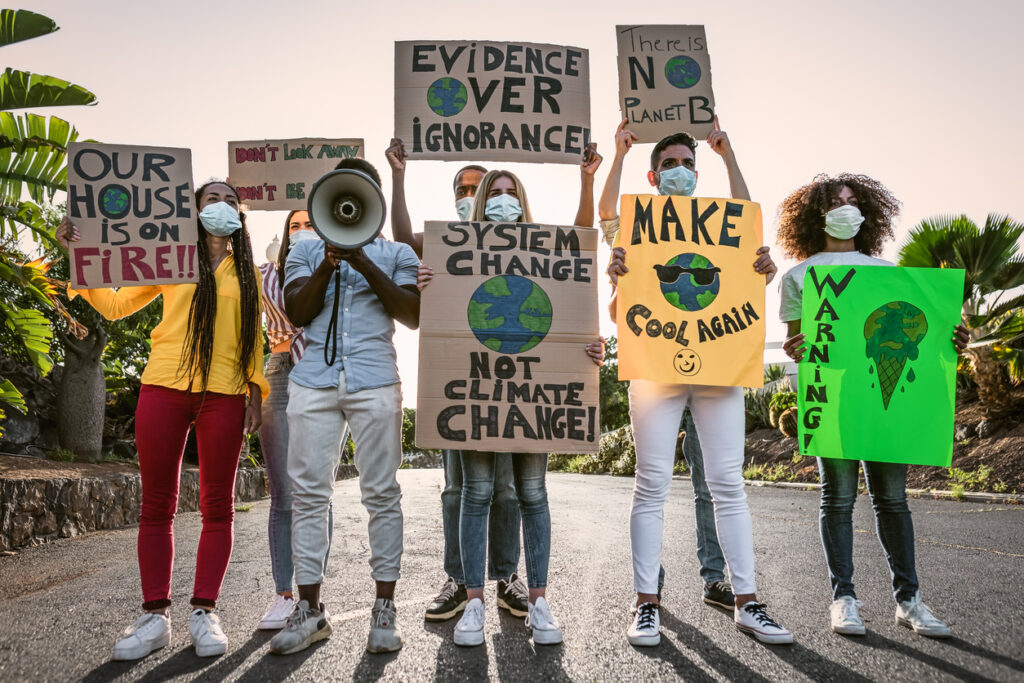
We’re not climate change deniers—we’ve seen the environmental shifts with our own eyes. We understand that action needs to be taken, and many of us are already doing our part. But it’s frustrating when younger generations act like Boomers are single-handedly responsible for the planet’s problems. We didn’t create mass industrialization, and we certainly didn’t set out to harm the environment.
13. Saying ‘Merry Christmas’ isn’t a personal attack.

We understand that not everyone celebrates Christmas, and we’re not against using more inclusive greetings when appropriate. But when people tell us that saying “Merry Christmas” is offensive, it feels like we’re being asked to erase our traditions. Most of us aren’t trying to exclude anyone—we’re just sharing a sentiment we’ve used our entire lives.