

Emotional abuse can be subtle, insidious, and deeply damaging. It rarely starts with loud arguments or overt cruelty; instead, it chips away at your sense of self over time. If you’ve spent years feeling like a ghost in your own marriage—unheard, devalued, and diminished—it’s worth asking whether emotional abuse is at play. You may have dismissed the signs for years, telling yourself it wasn’t serious or that things would get better. But unaddressed emotional abuse doesn’t fade; it often deepens with time.
In long-term relationships, the pain can become so normalized that you stop questioning it. If your wife’s words and behaviors have left you feeling small, anxious, or constantly on edge, you deserve clarity. No one should endure years of subtle cruelty, masked as tough love or misunderstood intentions. These 13 signs may help you see your situation in a new light and understand the toll it’s taken on your emotional health.
1. Constant Criticism

If your wife regularly finds fault with everything you do, from how you load the dishwasher to the tone of your voice, it’s not just nitpicking—it’s emotional erosion. Repeated criticism, especially when not balanced with affection or appreciation, can leave you feeling like a failure in your own home. You begin to anticipate being wrong, even when you’re doing your best, and that dread becomes a constant companion, according to Sylvia Smith at Marriage.com.
Over time, this kind of relentless critique turns into a control mechanism. It makes you second-guess your abilities and opinions, silencing your voice in the relationship. Emotional abusers use criticism not to help or encourage, but to dominate and reshape your identity. Eventually, you might stop speaking up or trying altogether, convinced that nothing you do will ever be good enough.
2. Dismissing Your Feelings

When your wife rolls her eyes or sighs every time you express a concern, it’s not just annoying—it’s deeply invalidating. Emotional abusers often act like your emotions are an inconvenience or exaggeration. This creates a dynamic where you feel foolish for even trying to share your inner world. Instead of being met with understanding, you’re shut down or brushed aside, as reported by Hope Gillette at Psych Central.
Over time, you learn to bottle things up. You start keeping your emotions to yourself to avoid conflict or ridicule. But repressing how you feel doesn’t make things better—it just builds resentment and loneliness. If your wife consistently refuses to acknowledge your emotions, she’s denying one of the core functions of a healthy relationship: mutual emotional support.
3. Controlling Your Time and Relationships

If your wife makes you feel guilty for spending time with friends, family, or even by yourself, that’s a red flag. Emotional abuse often includes efforts to control who you see and how you spend your free time. It might come across as concern or jealousy, but the result is the same—you’re isolated, increasingly dependent on her for companionship and validation.
As the years pass, you might notice your world shrinking. Invitations go unanswered, your social life fades, and you’re left without the community that once brought you joy and perspective, as mentioned by writers at Ball Morse Lowe. This isolation isn’t accidental—it gives her more control over your emotions and decisions. When you’re cut off from others, it’s much harder to recognize the abuse or find support.
4. Using Guilt as a Weapon

If you’re constantly made to feel guilty—even when you’ve done nothing wrong—that’s not a normal part of conflict resolution. Emotional abusers are masters at making their partners feel selfish, ungrateful, or cruel for asserting their needs or boundaries. They twist situations so you end up apologizing just to restore peace, even when you’re not at fault.
Over time, guilt becomes a leash. You find yourself avoiding certain actions or conversations, not because you agree with her, but because you’re afraid of the emotional backlash. It’s exhausting and demoralizing. You start living not by what’s right or fair, but by what avoids another wave of guilt and shame. That’s not love—it’s manipulation.
5. Gaslighting

Gaslighting is when someone manipulates you into doubting your own reality. If your wife regularly denies things she said or did, accuses you of being too sensitive, or twists the facts until you’re confused, she’s not just being forgetful—she’s gaslighting you. This is one of the most dangerous forms of emotional abuse because it makes you question your own mind.
Over time, gaslighting eats away at your confidence and sense of reality. You might start writing things down just to remember them or asking others to confirm your experiences. You begin to trust her version of events more than your own instincts, which puts her in complete control. When you no longer trust yourself, you become much easier to manipulate.
6. Withholding Affection as Punishment

Affection shouldn’t be a prize you earn for good behavior. If your wife gives you the cold shoulder, refuses to touch you, or withdraws emotionally whenever she’s upset, she’s using intimacy as a tool of control. This creates a painful dynamic where you feel like you have to beg or behave perfectly just to be loved.
Over the years, this conditional love teaches you to walk on eggshells. You become hyper-aware of her moods and avoid doing anything that might provoke another round of silence or withdrawal. This isn’t just about missing physical closeness—it’s about feeling emotionally starved. Everyone deserves love that isn’t held hostage to compliance.
7. Public Humiliation

When your wife mocks, criticizes, or belittles you in front of others, it’s more than embarrassing—it’s degrading. Emotional abusers often use public settings to assert dominance, knowing you’re less likely to defend yourself or cause a scene. These moments may be passed off as jokes, but they leave deep emotional bruises.
You may smile through the pain or laugh along to avoid making things worse, but the damage is real. Repeated public shaming chips away at your dignity and confidence. It also creates a fear that others are viewing you through her harsh lens, reinforcing your sense of worthlessness. A loving partner protects your image in public—not tears it down.
8. Making You Feel Unworthy of Love

When your wife constantly implies or outright says that no one else would love you, she’s not being honest—she’s being cruel. This kind of emotional abuse is designed to trap you. It makes you believe that you’re lucky she puts up with you, and that leaving her would mean a lifetime of loneliness.
Over time, this belief becomes a prison. Even if you’re unhappy, you might stay because you think you don’t deserve better. But this is a lie built on manipulation. Every human being deserves to be loved for who they are—not to be made to feel like love is a favor or something you have to earn through suffering.
9. Stonewalling
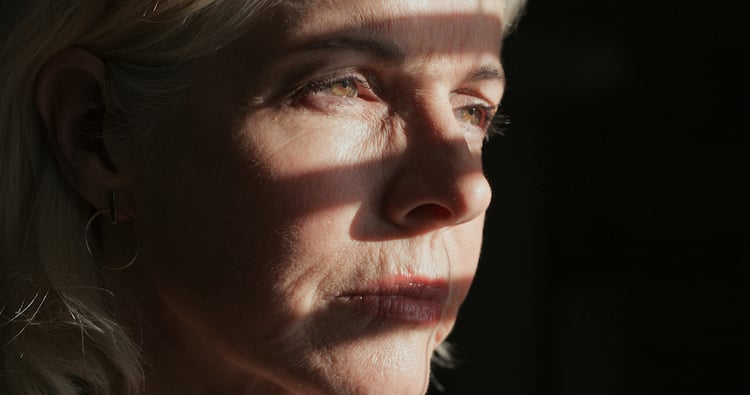
If your wife refuses to talk during arguments, ignores your attempts to communicate, or gives you the silent treatment for days, she’s using stonewalling as emotional punishment. This creates a power imbalance where she controls when and how issues are addressed—or if they’re ever addressed at all.
This silence isn’t peaceful—it’s punishing. You’re left stewing in confusion, guilt, or sadness, unsure of what you did wrong. Emotional closure becomes impossible, and unresolved conflicts pile up like debris in a blocked river. Over time, this emotional gridlock leads to detachment, loneliness, and a marriage that feels more like a standoff than a partnership.
10. Blaming You for Everything
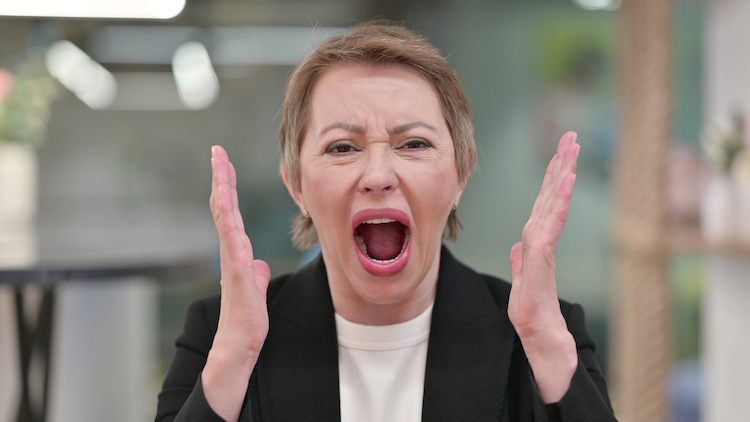
If every argument ends with you being blamed—no matter the topic—it’s a sign of emotional abuse. Your wife may refuse to take responsibility for her actions, twisting the narrative until you’re the villain and she’s the victim. This constant blame erodes your sense of fairness and reality.
After years of being the scapegoat, you may start to believe that everything really is your fault. This creates a toxic cycle where you’re always on the defensive, trying to avoid being blamed yet again. It leaves no room for healthy communication or mutual accountability, and instead turns every disagreement into a referendum on your character.
11. Using Your Vulnerabilities Against You

If your wife brings up your past mistakes or deepest insecurities during arguments, she’s crossing a serious line. Emotional abuse often involves weaponizing the trust you’ve placed in someone. What you shared in moments of vulnerability becomes ammunition in future conflicts.
This betrayal cuts deep. Instead of feeling emotionally safe, you’re always bracing for the next attack. You might stop opening up altogether, retreating into silence to avoid more pain. That’s not how intimacy should work. A partner should protect your vulnerabilities, not exploit them for control or punishment.
12. Threatening to Leave You

If your wife regularly threatens to leave or divorce you whenever things don’t go her way, she’s using fear to control you. These threats aren’t about resolving issues—they’re about keeping you compliant and anxious. It’s emotional blackmail dressed up as relationship drama.
Living under constant threat destabilizes your sense of security. You might feel like you have to tiptoe around her, always working to “earn” another day of peace. This makes it hard to express your true feelings or needs, because doing so could mean losing the relationship entirely. That’s not love—it’s emotional terrorism.
13. Downplaying Your Achievements

When your wife minimizes your successes, mocks your passions, or acts unimpressed by your accomplishments, she’s not just being aloof—she’s undermining your self-worth. Emotional abusers often do this to maintain the upper hand. If you feel good about yourself, you might realize you deserve better.
Over time, this behavior keeps you small. You stop celebrating your wins, internalize the idea that your efforts aren’t meaningful, and slowly lose your confidence. Your self-esteem becomes entirely dependent on her approval, which is often withheld. A healthy relationship should lift you up—not grind you down.