
What used to be ordinary pleasures now come with luxury price tags.

There was a time when a simple treat didn’t require a second thought—or a second mortgage. Boomers and Gen Xers grew up with affordable indulgences that felt special, even if they didn’t cost much. These weren’t grand vacations or five-star meals. They were the little things—the extras—that made life feel full without making your wallet feel empty. A movie ticket, a hamburger, even a tank of gas could bring a sense of satisfaction that didn’t require budgeting or guilt.
Now, many of those everyday luxuries have skyrocketed in price or vanished altogether. Some are still around, but they’ve been rebranded as premium experiences. These 13 simple joys once defined a good day—and now they either break the bank or live on only in stories.
1. A drive-in movie night used to cost less than popcorn today.
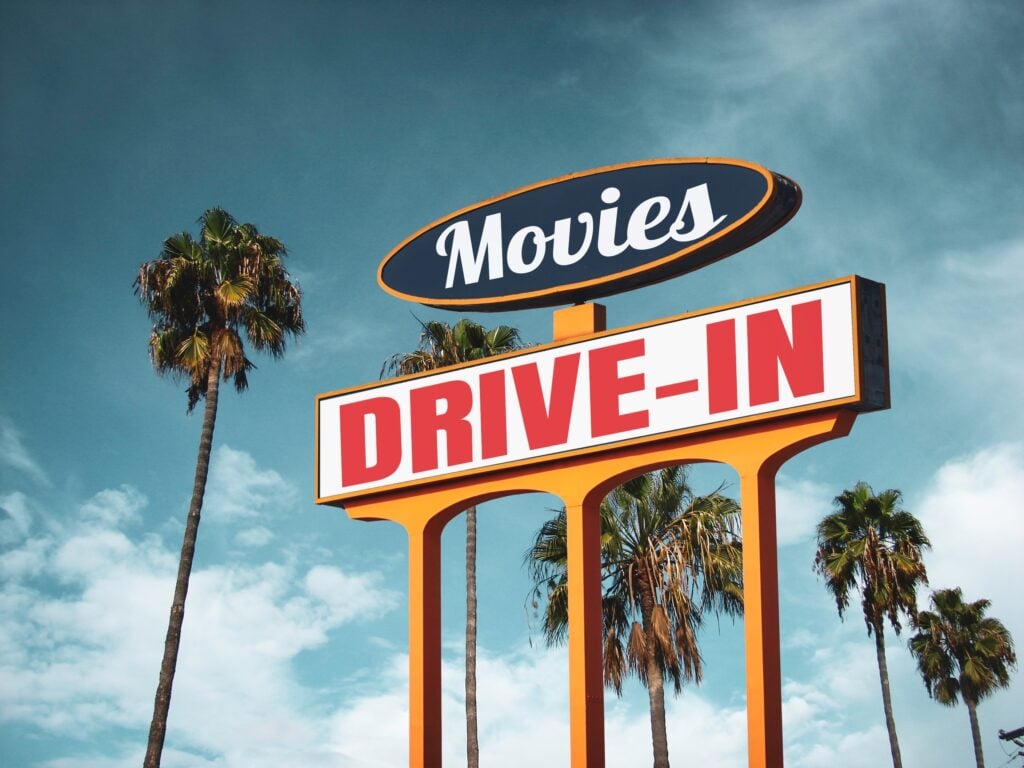
Pulling into a drive-in with a car full of friends or family was an iconic evening that didn’t require much more than pocket change. You paid per carload, packed your own snacks, and got to watch two movies back-to-back under the stars. Kids wore pajamas, couples cuddled in the backseat, and the whole night had a laid-back charm.
Today, drive-ins are rare, and the few that remain charge more just to keep the lights on. If you factor in rising food prices, digital projection upgrades, and limited availability, what was once a casual night out now feels like a retro-themed luxury, as reported in Medium.com. Even regular theaters charge more for popcorn than Boomers once paid for an entire drive-in outing. The experience might still exist—but it’s no longer a cheap thrill.
2. Filling up the tank was something you barely noticed.

There was a time when a crisp twenty-dollar bill could get you a full tank of gas with change left over. Boomers remember pulling into the station, having an attendant pump your fuel, check your oil, and clean your windshield—all without tipping. It wasn’t just affordable—it was pleasant. No credit cards, no digital displays, no sticker shock.
Now, filling up feels like a minor financial event. Prices fluctuate wildly, stations are self-serve and crowded, and many drivers flinch as the total creeps higher than a fancy dinner out, as stated by BuzzFeed. What used to be a routine errand has become a budgeting headache. That humble freedom to hit the open road on a whim is still possible—but it comes with a much steeper price tag.
3. A cheeseburger and fries were once a $1.99 indulgence.
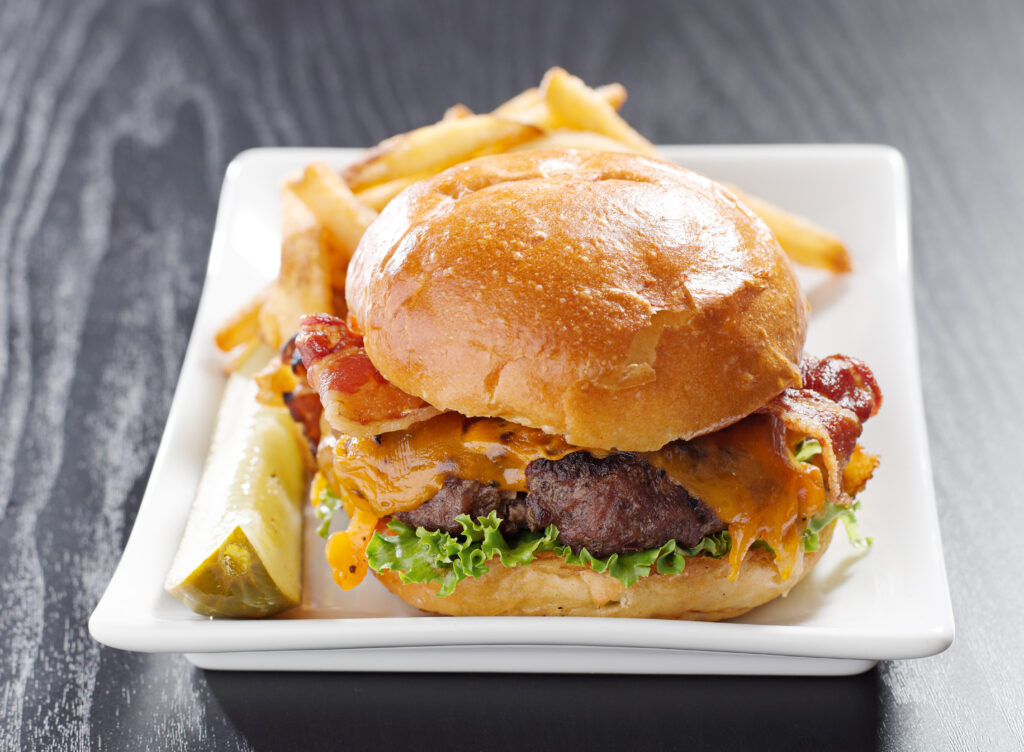
Heading to the local diner or burger joint was a treat that didn’t require planning or sacrifice. For a couple of bucks, you could get a juicy cheeseburger, a mountain of fries, and maybe even a milkshake. The booths were vinyl, the ketchup was always on the table, and the whole place smelled like childhood.
Fast forward to now, and that same combo costs ten to fifteen bucks—more if you’re at a trendy spot or adding anything “artisanal.” Fast food used to be a way to stretch your budget while still getting something tasty. Today, even that feels like a splurge, according to Fortune. The food might be faster, but it’s no longer as affordable.
4. Ice cream from the truck didn’t require a second mortgage.
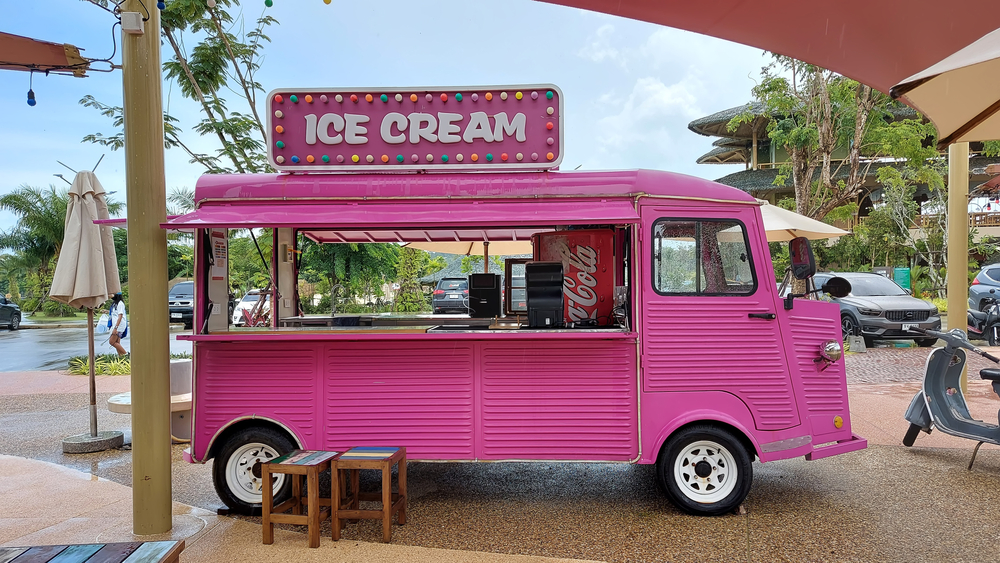
The sound of the ice cream truck used to send kids scrambling for quarters, not panicking about whether they had enough for a $7 cone. A soft serve cone, push-up pop, or rocket bar was the highlight of a hot summer day—and it usually cost under a dollar. Even the fancier novelty items rarely crossed the $2 mark.
Now, those same treats are priced like artisan desserts. Add in inflation, higher operating costs, and trendier ingredients, and the neighborhood ice cream truck suddenly feels like a mobile boutique. Parents don’t hand out pocket change—they pull out debit cards. The joy’s still there, but so is the sting when you hear the total.
5. Matinee movies were pocket change for an afternoon escape.
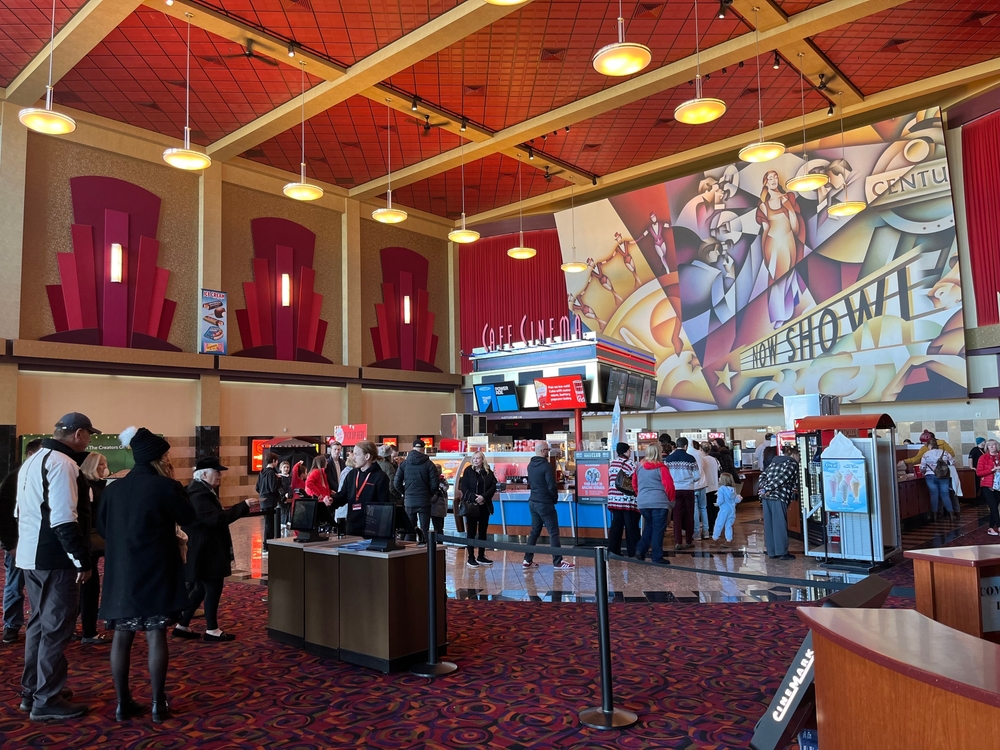
Going to the movies used to be an accessible way to spend a rainy day or cool off during the summer. A couple of quarters got you into a matinee, and if you skipped the snacks, it was a cheap way to kill a few hours. The theaters were packed with kids, and no one cared if you brought in your own candy.
These days, ticket prices—even for early showings—have soared. Factor in IMAX, 3D, or “luxury seating,” and what was once a casual plan turns into a $40+ outing for two people. Theaters may be fancier now, but they’ve priced out the casual moviegoer. That humble escape has turned into a calculated decision.
6. Records and cassettes were affordable ways to build a music library.
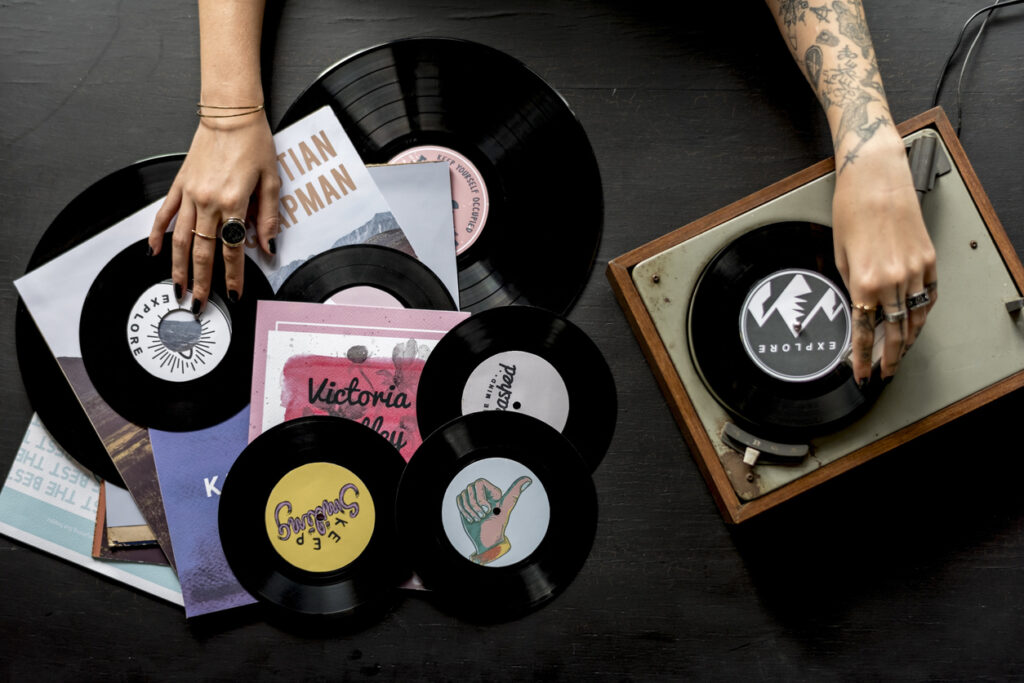
Buying music used to feel exciting but doable. A 45 or a cassette cost just a few dollars, and even full albums didn’t break the bank. Boomers built impressive music collections over time—slowly, one LP at a time—without blowing their budgets. Record stores were friendly hangouts, not intimidating high-end boutiques.
Now, vinyl has made a comeback—but with prices that feel more collector’s item than casual purchase. New pressings cost $30 or more, and vintage copies go for even higher. Even cassettes, once sold in bargain bins, are now retro gold. That sense of discovery and affordability has been replaced by curated playlists and subscription fees. The thrill of ownership? Still there, but harder to afford.
7. Camping gear didn’t require a line of credit.

A weekend camping trip used to mean a secondhand tent, a foam pad, and a cooler full of hot dogs and Kool-Aid. Boomers roughed it in canvas tents with metal poles and mismatched sleeping bags—and they had a blast. Nobody cared about gear weight, waterproof ratings, or double-insulated stainless steel mugs.
Today, “glamping” and high-end outdoor brands have turned camping into a status symbol. Tents, backpacks, and cook sets cost hundreds, and even a basic weekend trip can cost as much as a hotel stay. The whole point was to keep it simple and cheap, but now it often feels like one more area where people overspend trying to look rustic.
8. Going out for breakfast was a quiet, cheap luxury.
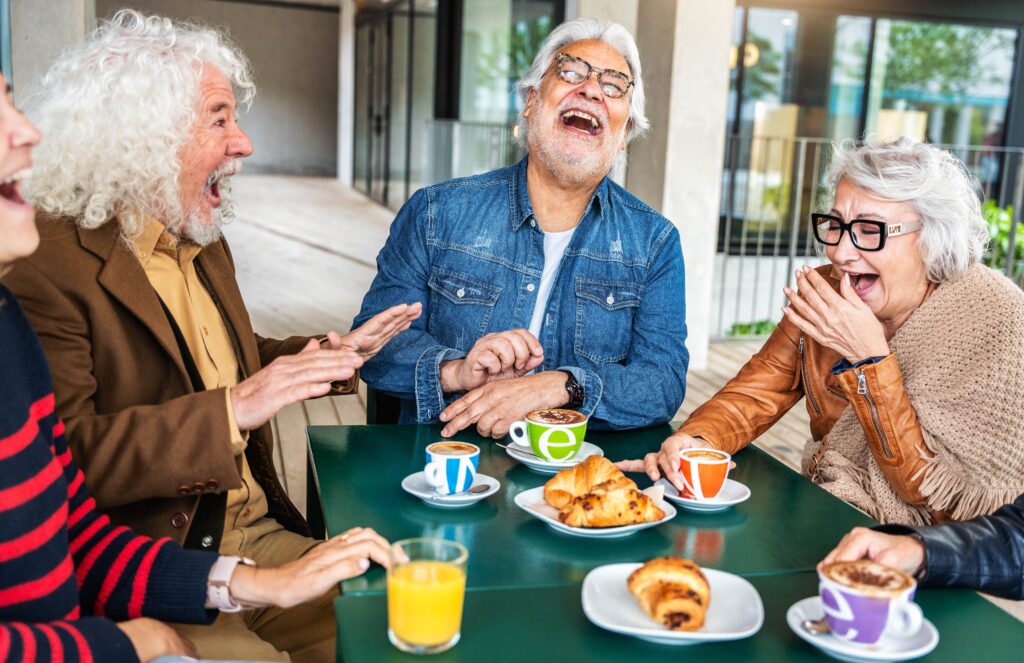
Breakfast out used to be the sneaky indulgence. Eggs, toast, coffee, and maybe a side of bacon—all for less than five bucks. Diners had regulars, waitresses who remembered your order, and bottomless coffee that came with refills before you even asked. It was cozy, casual, and didn’t put a dent in your bank account.
These days, that same breakfast costs triple, and you might be waiting in line to eat it on a trendy patio with imported jam and avocado “drizzles.” It’s not that the food’s worse—it’s just that it lost its low-key charm. Something about knowing you could pop in any time without checking your balance made it feel extra special.
9. Sewing patterns and fabric weren’t just for fashion—they were affordable.
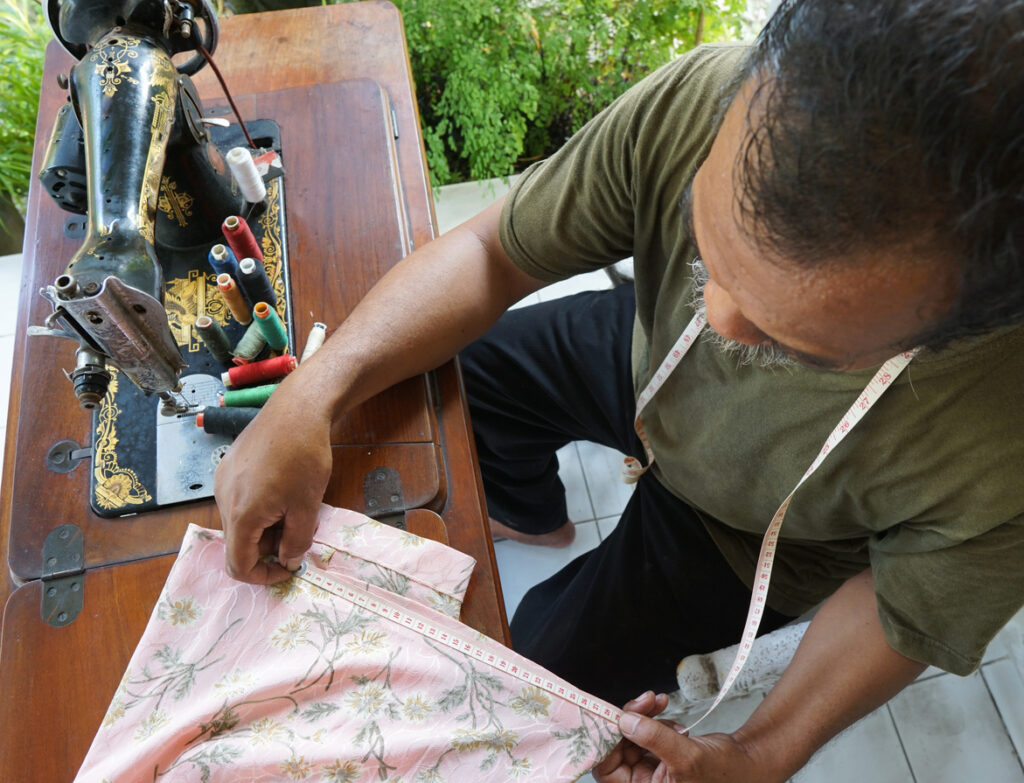
Boomer-era households often made clothes at home—not just because they were crafty, but because it saved money. Patterns cost a couple of bucks, fabric was sold by the yard for cheap, and someone always had a button box handy. Making a dress or pair of slacks at home wasn’t a luxury—it was resourceful and smart.
Now, sewing has shifted into an expensive hobby. Patterns can cost $15 or more, fabric prices have skyrocketed, and notions aren’t cheap either. What used to be a practical way to save is now a creative outlet with a premium attached. DIY still exists, but it doesn’t come with the same humble budget anymore.
10. Haircuts were simple, cheap, and done in under 20 minutes.
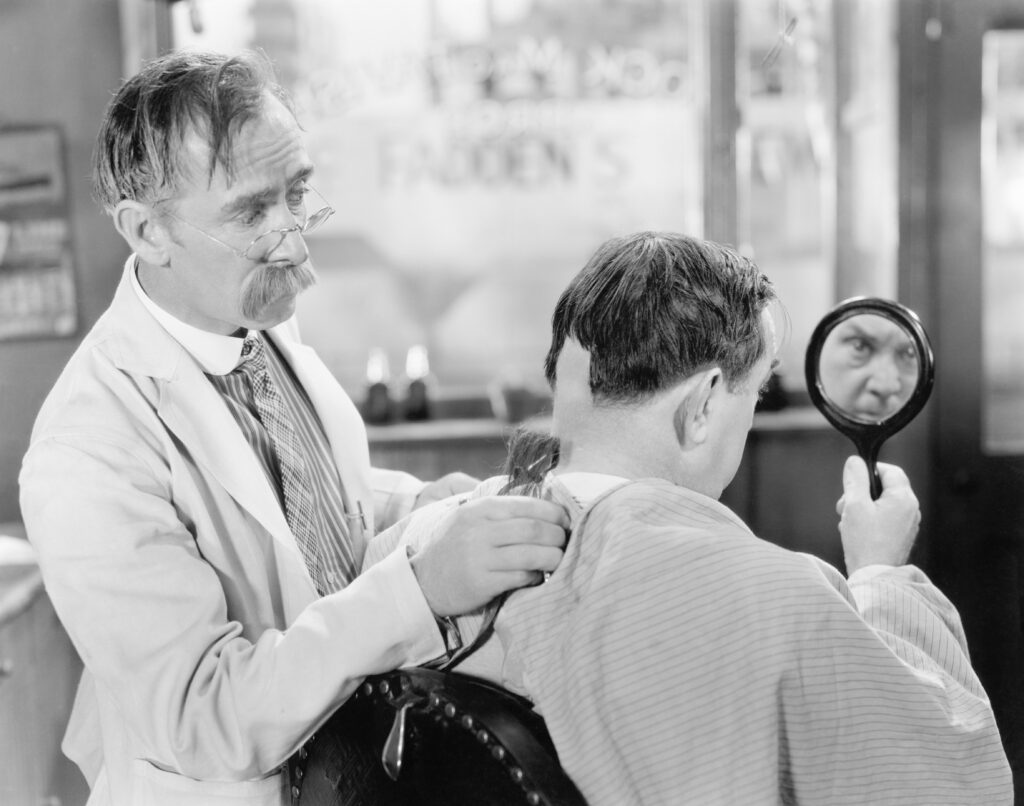
A barber shop haircut used to cost a few bucks, and you left looking clean and sharp without any extra fluff. Boomers got their ears lowered, maybe had a little powder brushed off their necks, and were back out the door before the coffee got cold. No gels, no scalp massages—just a cut and a handshake.
Now, haircuts are experiences. You’re offered drinks, aromatherapy, and a breakdown of your hair’s “journey.” Prices reflect the service, not just the snip. While some still find old-school barbers, they’re not as common. That simple, affordable trim is harder to find—and even harder to get without an appointment and a credit card.
11. Baseball games were cheap enough for the whole family.
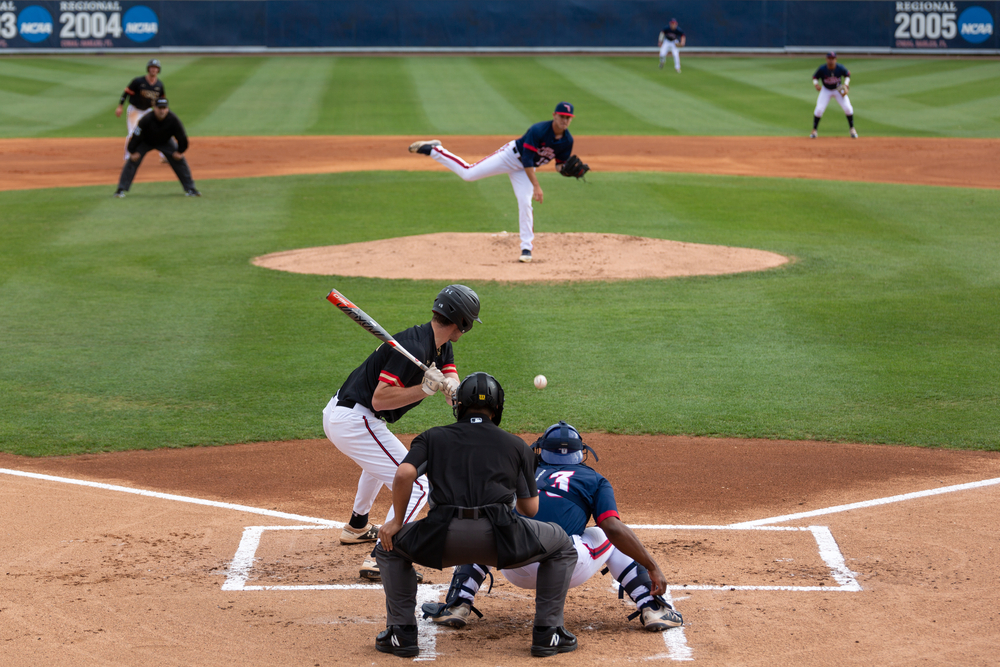
Going to a game was once a treat, but not an outrageous one. You could sit in the bleachers, grab a hot dog and soda, and still have change left for a souvenir pennant. Ballparks were places where families could afford to cheer without draining the checking account.
These days, even nosebleed seats can cost a fortune. Add in parking, snacks, and team merch, and you’re looking at hundreds of dollars for a few hours of entertainment. It’s still fun, sure—but it’s no longer that humble, spontaneous outing. That easy joy of cheering on your team with mustard on your shirt now feels like a budgeted event.
12. Roller rinks and bowling alleys were the affordable weekend plan.

Friday night at the roller rink or Saturday afternoon bowling used to be peak fun for under ten bucks. You got music, friends, maybe a slushy, and a couple of hours pretending to be cooler than you really were. Boomers learned to skate backward or pick up a split without any pressure—or pricey wristbands.
Now, those same venues charge premium prices or have closed entirely. The few that remain often feel more like novelty attractions than regular hangouts. Between shoe rentals, per-game fees, and snack bar prices, what was once a cheap thrill now takes planning—and more cash than you’d expect for a night of glow lights and gutter balls.
13. Paperback books were cheap escapes you could take anywhere.

There was nothing like grabbing a new paperback from the drugstore or used bookstore and curling up for a weekend escape. Boomers bought books for a couple of bucks and passed them around to friends, dog-eared and coffee-stained with love. Reading didn’t feel like a luxury. It was just part of life.
Now, even paperbacks push $20, and many bookstores have vanished. Digital reading helps, but it doesn’t offer the same tactile experience. Libraries still exist, thankfully, but owning books has become a pricier habit. That once-affordable indulgence of building a shelf full of stories now requires a bit more budgeting—or a really good thrift store.