
Classic playthings from the 1950s and 60s shaped how an entire generation had fun

For many Baby Boomers, childhood was filled with hands-on play fueled by colorful, imaginative toys. Long before digital screens dominated free time, these classic items sparked creativity, competition, and storytelling in living rooms and backyards alike. From build-it-yourself sets to glowing pegboards and spring-powered novelties, the toys of this era reflected both the simplicity and inventiveness of postwar America. Looking back, they offer more than nostalgia because they tell the story of how kids once played, learned, and dreamed.
1. Lincoln Logs sparked creativity with their old-school wooden charm.

Lincoln Logs used notches and grooves to help kids build cabins, forts, and towers—no glue or batteries required. The modeled wood pieces, dark-brown with forest-green roofs, brought a rustic, hands-on quality to early construction play.
Unlike plastic sets, Lincoln Logs emphasized balance and patience over speed. A child on a shag carpet could spend hours perfecting one frontier homestead, only to knock it down and start again for fun. The simplicity made mistakes easy to fix and creativity easy to sustain.
2. Rock ‘Em Sock ‘Em Robots turned playful competition into hours of fun.
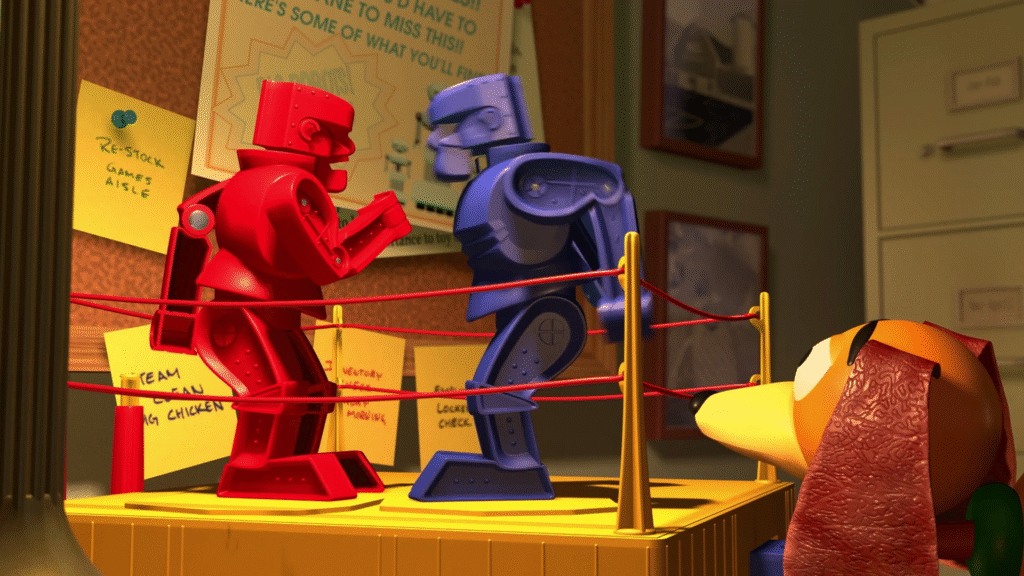
Each Rock ‘Em Sock ‘Em Robot had a clenched-plastic fist connected to a lever. Push the button fast enough and your robot knocked your opponent’s block off—literally, the head popped up.
Set in a molded plastic ring with corner posts, the game mimicked boxing with lighthearted drama. Often, it was less about winning and more about the chaotic flurry of movement and laughter across rec room floors, especially when both kids mashed buttons like mad at once.
3. The Easy-Bake Oven brought tiny culinary dreams into the kitchen.
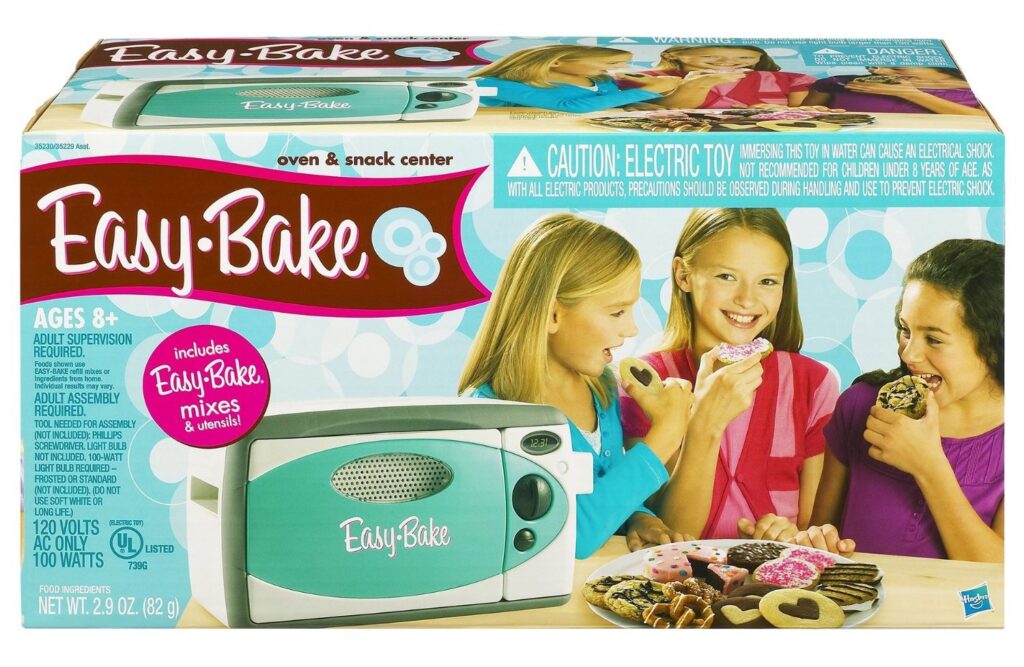
By sliding cake mix into a toy the size of a lunchbox, the Easy-Bake Oven made real, edible desserts using only a light bulb to heat. It was quaint kitchen magic with pastel-colored trays and tiny spatulas.
The cakes often came out uneven, but that didn’t matter to children consumed with pride over chocolate brownies they baked “on their own.” One vanilla-scented whiff from the plastic door and the culinary illusion felt complete, even if cleanup required grown-up help afterward.
4. Etch A Sketch offered hours of artistic challenge and kid-powered magic.

Etch A Sketch combined a bright red frame, a gray screen, and two white knobs to draw lines—one moved them horizontally, the other vertically. Placing curves took careful practice, resulting in boxy castles, mazes, or the occasional shaky house.
Unlike paper drawings, mistakes couldn’t be easily erased; shaking the entire toy cleared the screen in a clean swoosh of static powder. That reset offered both frustration and freedom, especially after a younger sibling accidentally erased hours of effort in one jostle.
5. The Red Ryder BB gun was a backyard icon of pretend adventure.

The Red Ryder BB gun looked like a small lever-action rifle with stained woodgrain, a metal barrel, and the promise of backyard adventure. Though it fired low-powered BBs, it echoed cowboy fantasies fed by black-and-white Westerns.
Parents debated its appropriateness, yet many kids paraded theirs around the yard like deputies guarding the imagination. Safety concerns aside, it shaped an era when unsupervised outside play and treehouse sheriffs were part of growing up between radio shows and frozen orange drinks.
6. Spirograph turned doodles into dazzling geometric masterpieces with ease.

Spirograph used circular gears and a plastic pen to trace precise curves and loops on paper. By anchoring one ring and letting another spin inside or outside it, users created colorful rosettes with hypnotic symmetry.
What began with a plastic case and a few templates could fill an afternoon with complex line work that resembled snowflakes or stained glass. It rewarded patience and rewarded control—each design echoed the meditative repetition of threading a needle or weaving string through fingers.
7. View-Master reels spun scenic wonder into a handheld visual delight.
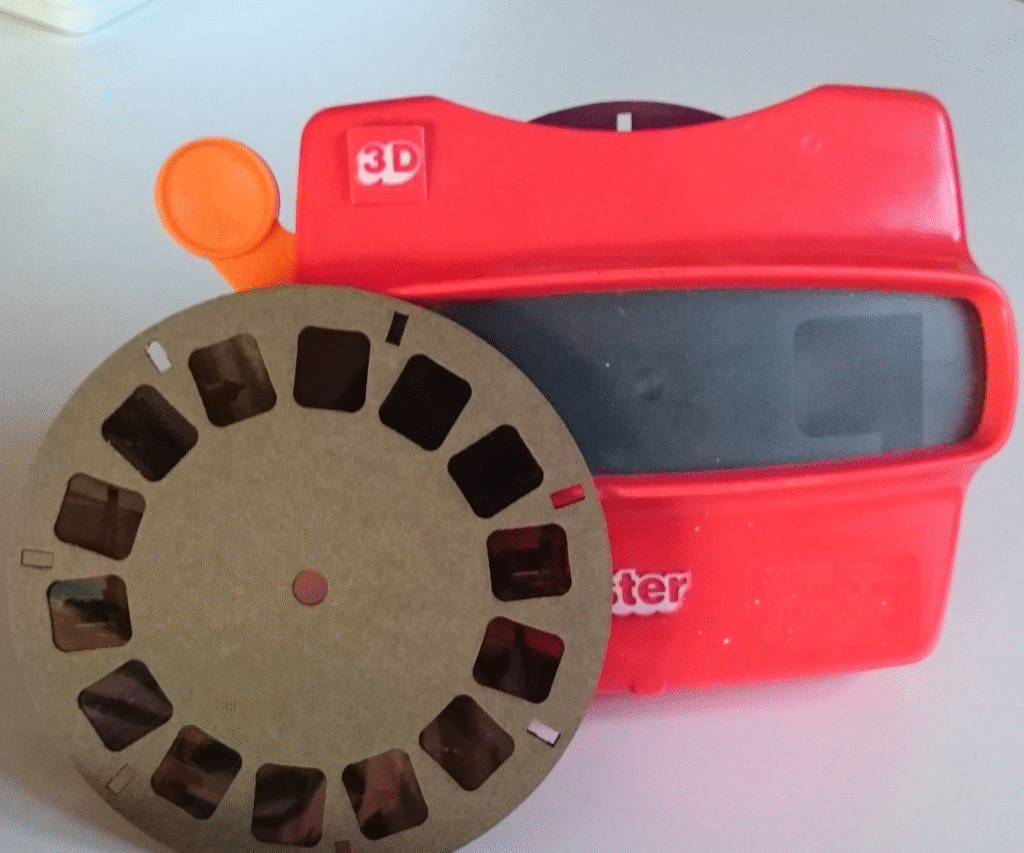
View-Master reels featured color photographs embedded in small disc-shaped slides, clicked through with a lever in a binocular-like viewer. Each scene snapped forward with a satisfying clack and a shift in light.
Children explored wild animals, faraway landmarks, and characters from television—all in luminous 3D. Whether flipping through a Grand Canyon reel in a vinyl beanbag or discovering cartoon heroes frame-by-frame, the toy turned a quiet afternoon into a private IMAX before the term even existed.
8. Lite-Brite let kids create glowing art with a simple click.
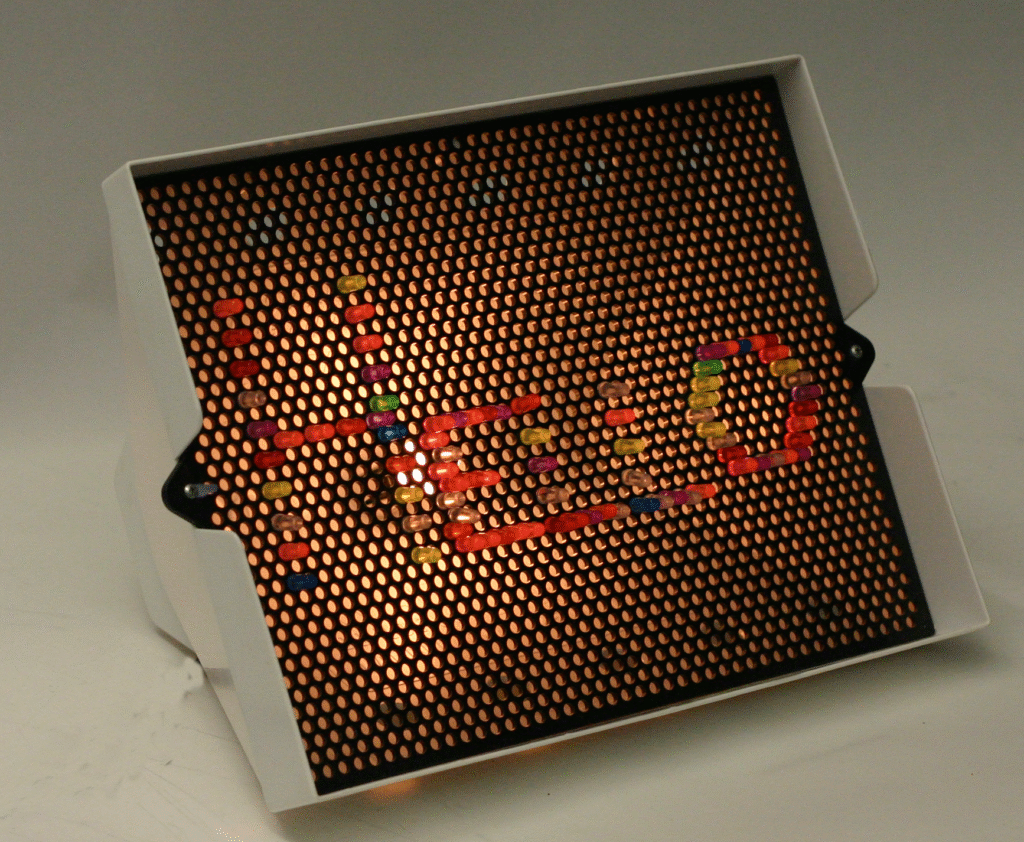
Lite-Brite used a black plastic screen, colored pegs, and a tray lit from behind to create glowing designs. Pressing each peg into place turned dull outlines into neon mosaics one dot at a time.
The pegs clicked in with a tactile snap, transforming templates of sailboats or sailfish into rudimentary stained glass. In a darkened room, the light behind the design cast a low glow across the carpet, making the toy feel like a mini stage for childhood artistry.
9. Slinky made stairs and tables into playgrounds for coiled fun.
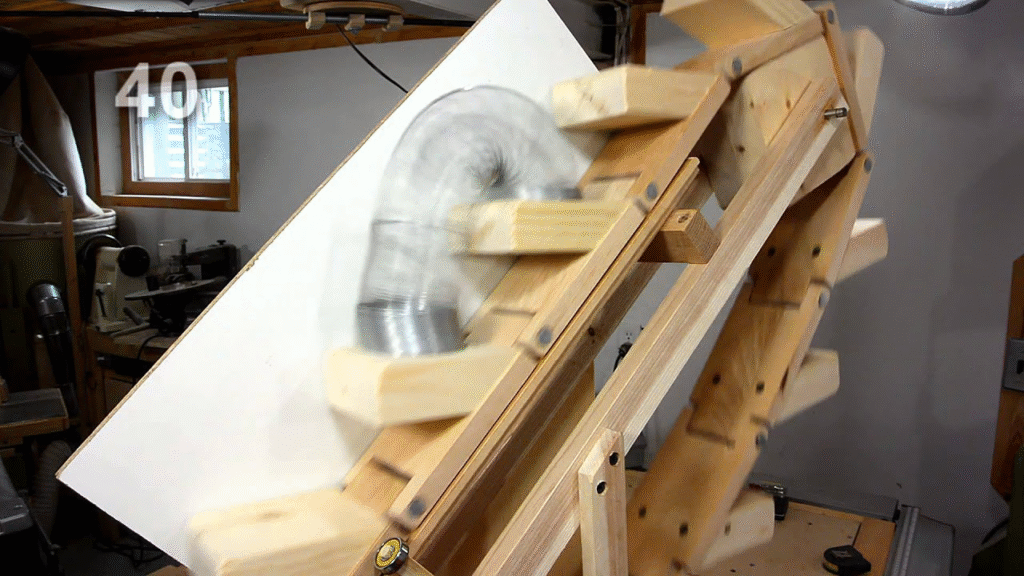
Slinky began as a single metal spring that could stretch, bounce, and—most famously—stair-step down a flight of steps with near-military rhythm. It moved as if it had intention, though gravity did all the work.
Kids could get lost in its hypnotic motion, watching it cascade over itself with a metallic shiver like coiled piano wire. Tangling was always a risk, especially after a drop off the porch or a tug-of-war between siblings—where the fun quickly turned into a test of patience.
10. Tinkertoys encouraged young builders to experiment with shapes and structure.
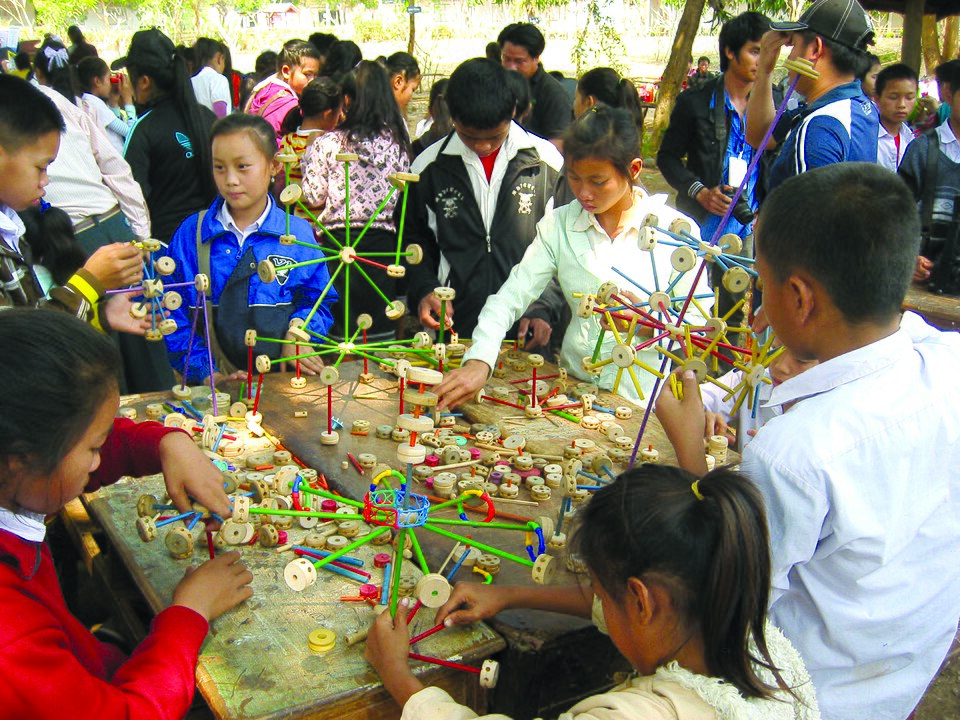
Tinkertoys used wooden dowels and circular hubs punched with holes, allowing kids to build windmills, cars, or weirdly abstract creatures. The beige canisters with metal lids clinked with parts, each piece light in the hand.
Broader than Lincoln Logs in concept, they encouraged connecting in all directions, not just stacking. A child might try to re-create a Ferris wheel, only to end up with a wobbly spinning frame that tipped sideways. Still, the trial-and-error process made each success more satisfying.
11. The original Barbie doll inspired decades of stylish storytelling and imagination.

The original Barbie came in a black-and-white striped swimsuit with high-arched heels and cat-eye eyeliner, her waist unusually narrow and her gaze fixed forward. She was less dollhouse occupant and more cultural signal.
Children wove elaborate storylines around her sleek wardrobe, miniature hairbrushes, and molded accessories. Barbie didn’t just stand around; she debuted careers and personas, shifting from beachgoer to astronaut before many adults caught on. Her ever-expanding universe reshaped how play blended aspiration with identity, in pink plastic form.
12. Stretch Armstrong offered tactile mischief and superhero daydreams in one toy.

Stretch Armstrong featured a tan, muscular figure filled with syrupy gel encased in latex skin. Tug at one arm or leg and it stretched several feet without breaking—at least under ideal conditions.
Children tested its limits, sometimes freezing it or racing to see how far they could pull both arms simultaneously. The joy came partly from disbelief: a toy that resisted snapping despite every effort. When he finally ruptured, the result was as sticky and strange as expected.
13. The Fisher-Price Chatter Telephone turned talking pretend into a noisy delight.
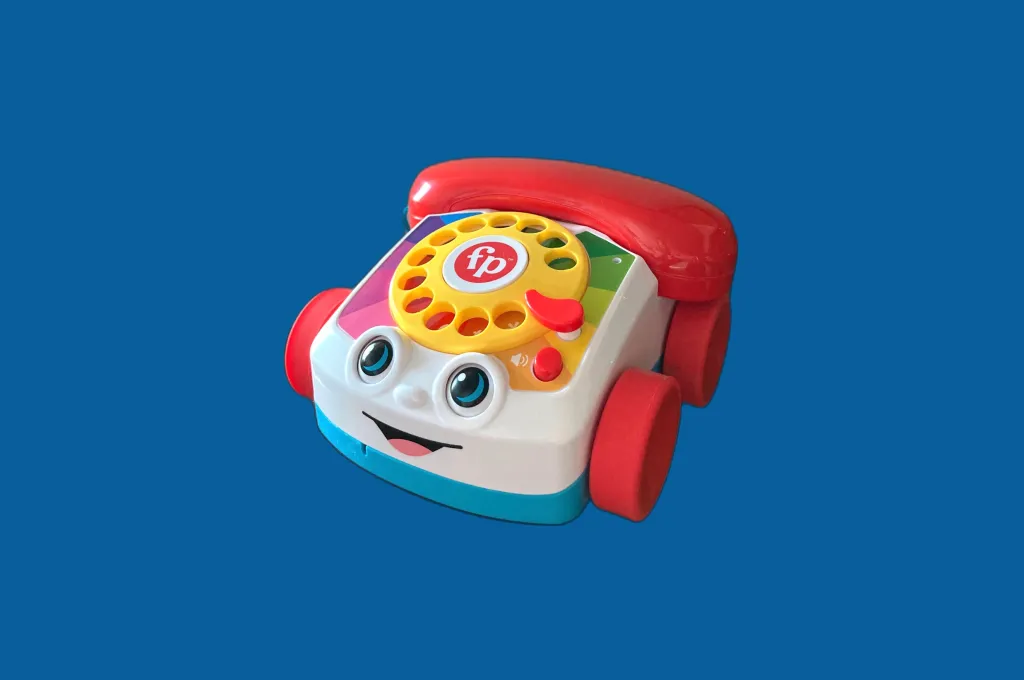
The Fisher-Price Chatter Telephone had a plastic rotary dial, wobbling eyes that moved when pulled, and a bell that dinged with each tug from its red-wheeled base. Its charm lay in mimicry.
Pretend calls served no technical use, but they mirrored adult behavior in kitchens and waiting rooms. A child might sit on linoleum, spinning the dial with deliberate effort, then pause and nod solemnly at the handset. The toy offered contact with a grown-up world—without real conversation.