
Classic cars from the baby boomer era still turn heads and spark lasting emotional connections

For many baby boomers, the right car wasn’t just transportation—it was identity on wheels. From chrome-heavy cruisers to early muscle machines, these vehicles offered freedom, status, and unfiltered style. Their appeal runs deeper than nostalgia. Today, collectors and enthusiasts alike still admire these iconic models, not only for their design and performance but for how they captured the spirit of an era when driving felt personal, powerful, and full of promise.
1. The 1957 Chevrolet Bel Air turned heads with bold style and chrome.
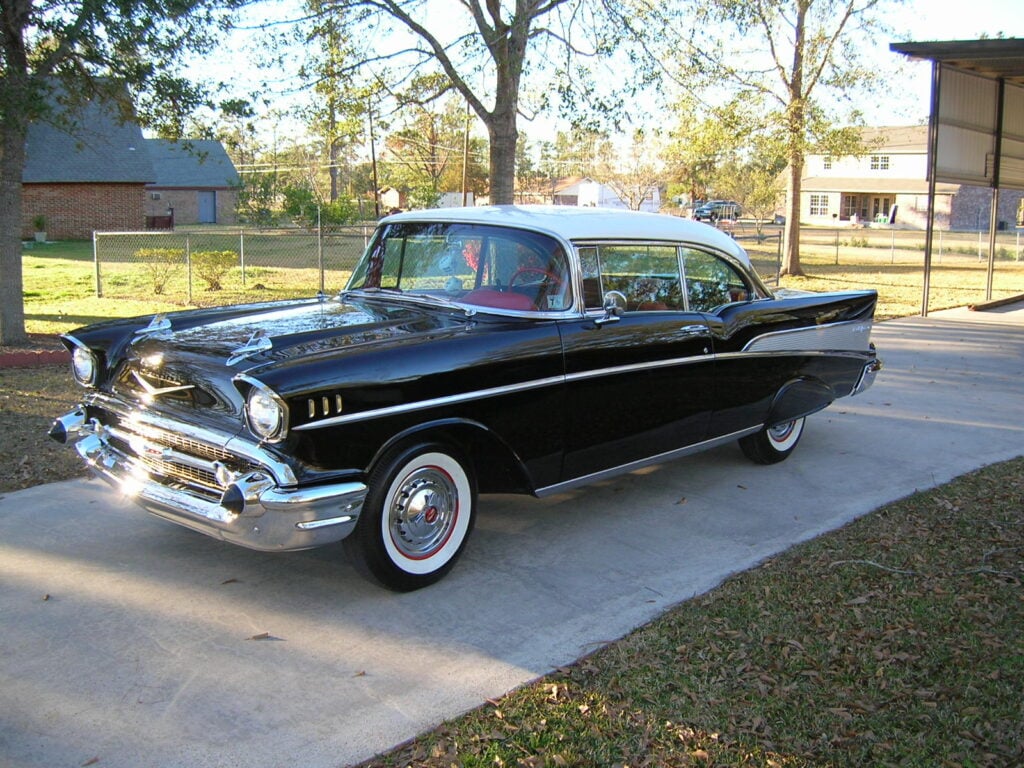
Polished tailfins and two-tone paint gave the 1957 Chevrolet Bel Air a cinematic presence, especially in red-and-white with whitewall tires. Its wide grille and rocket-inspired trim reflected postwar optimism and highway expansion.
Driveways lit up when one pulled in, carrying families with the radio tuned to doo-wop or Elvis Presley. Unlike many cars of its era, the Bel Air symbolized more than mobility—it conveyed status, personality, and the notion that American design could be both functional and flamboyant.
2. The Ford Mustang of 1965 brought muscle and freedom to the driveway.

When the 1965 Ford Mustang debuted, it cost under $2,400 and came with bucket seats, a long hood, and short deck styling. Marketed as a ‘pony car,’ it hit showrooms with youthful performance and wide customization options.
High schoolers pasted posters on bedroom walls while young professionals saved for their own. It wasn’t just about power; the Mustang captured the idea of independence on four wheels, bridging muscle appeal with daily drivability and sparking a long-running American love affair.
3. The Pontiac GTO defined American performance with its aggressive V8 engine.
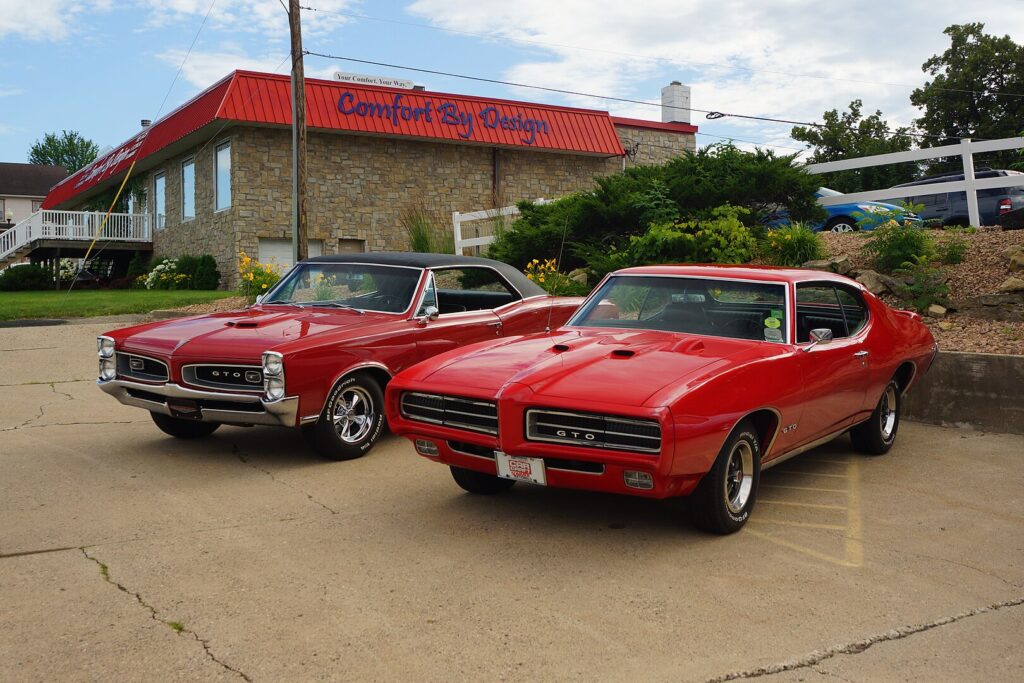
The 1964 Pontiac GTO didn’t invent speed, but it packaged a big block V8 into a midsize chassis, igniting the muscle car movement. With hood scoops and badging that suggested danger, the GTO made engine growl synonymous with street presence.
Across neighborhood garages and suburban parking lots, drivers longed to launch one off the line. Its legacy isn’t just under the hood—it’s in how Detroit proved that raw power could wear a showroom badge and command attention like a custom machine.
4. The Volkswagen Beetle won hearts with quirky charm and global appeal.

Initially marketed as an economical alternative, the Volkswagen Beetle won a following through its compact curves, air-cooled engine, and easy-to-fix mechanics. Its cheerful, rounded shape felt distinct from Detroit’s angles and chrome-heavy sedans.
College campuses from Berkeley to Ann Arbor buzzed with Beetles in mustard yellow and sky blue. Beyond affordability, it fostered identity—drivers often gave their cars names and added peace-sign decals. The Beetle’s staying power lies in how it made car ownership personal, even playful.
5. The 1969 Dodge Charger blended muscle car power with sleek street presence.
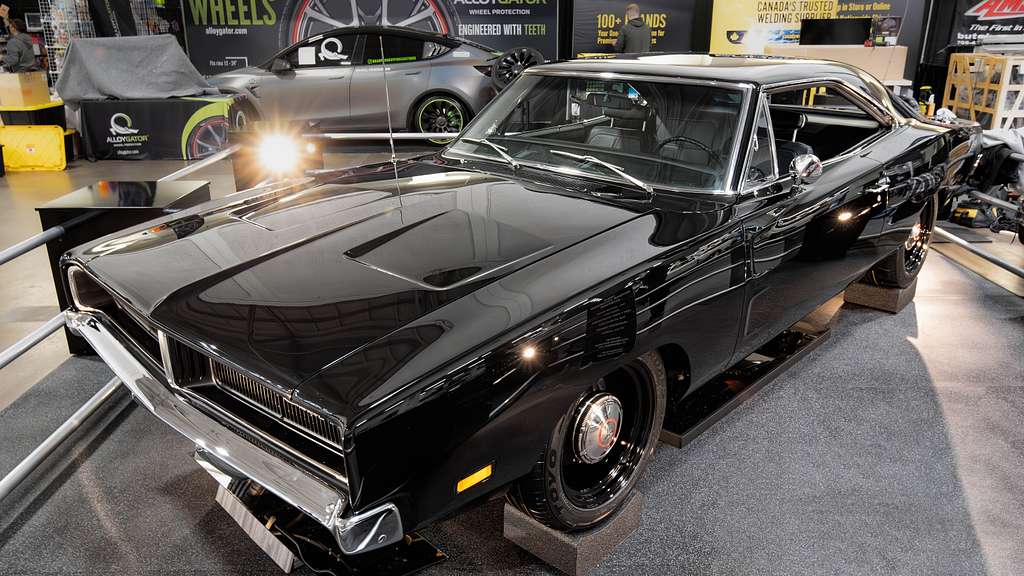
Powered by a rumbling V8 and unmistakable fastback profile, the 1969 Dodge Charger cut a dramatic figure. Its hideaway headlights and prominent grille framed a car that looked fast even standing still.
Chased through television scenes or parked at weekend drag races, the Charger blended menace with mystique. For baby boomers, it wasn’t just design—it was presence. Its silhouette still draws mention, especially among collectors who see muscle not merely as horsepower but a kind of attitude on asphalt.
6. The Corvette Stingray of 1963 introduced split-window design and serious speed.
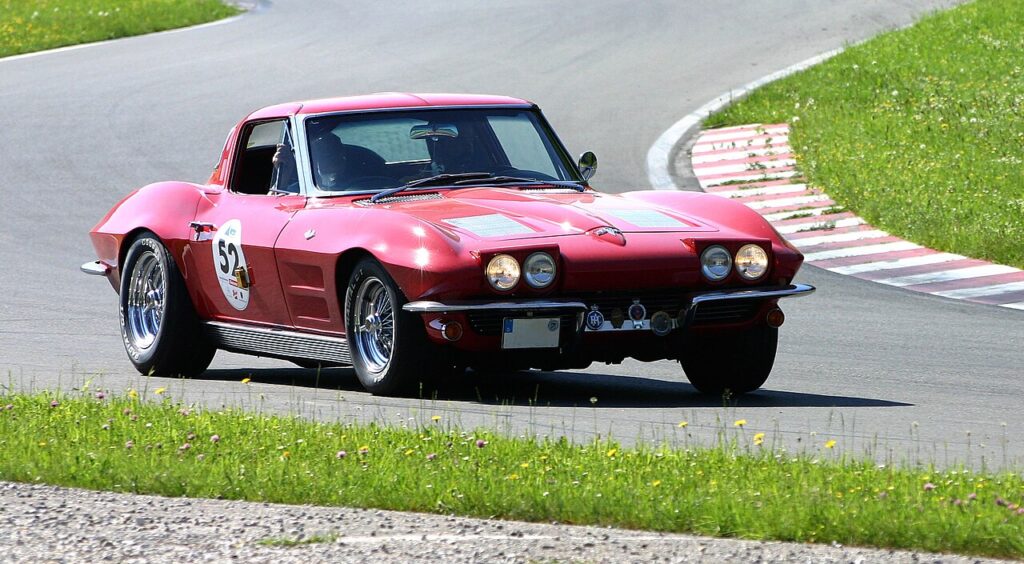
Sculpted with a split rear window and fiberglass body, the 1963 Corvette Stingray looked futuristic but moved with vintage muscle. Designers borrowed from jet planes, creating pointed nose lines and a cockpit nestled between pronounced wheel arches.
Out on the open road, the Stingray turned motoring into performance art. Drivers appreciated its aerodynamic plunge and thrilling cornering. Though later years reimagined the Corvette, this early Stingray balanced style with innovation, proving that American engineering could produce more than brute force—it could also dazzle.
7. The Plymouth Barracuda delivered edgy muscle with unmistakable fastback flair.
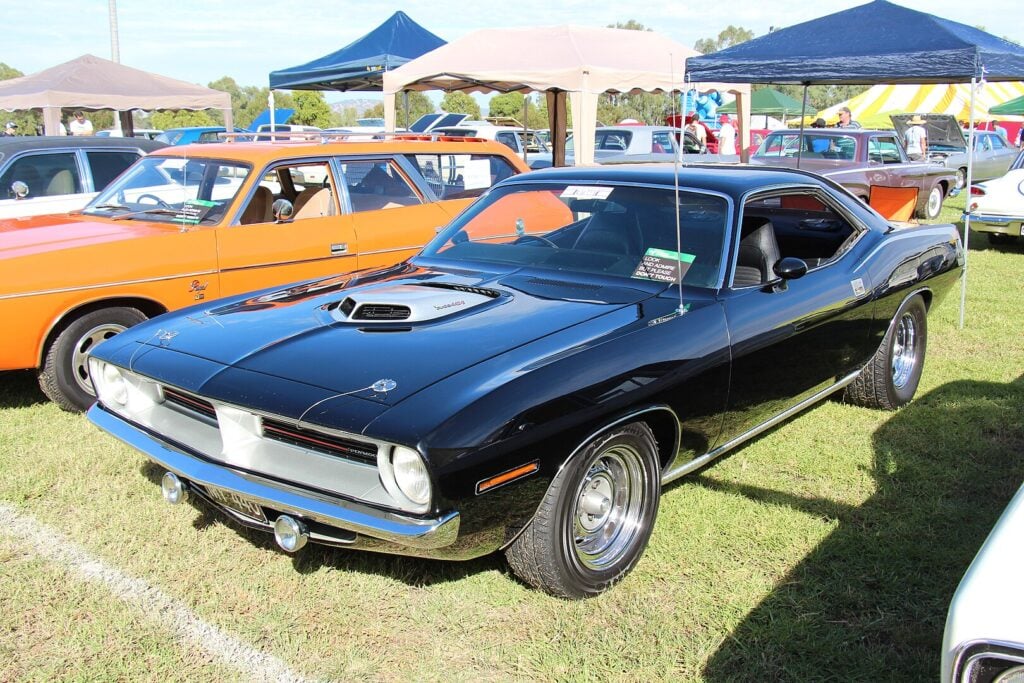
Launched before the Mustang but often overshadowed, the Plymouth Barracuda arrived in 1964 with a giant wraparound rear window and sporty intentions. By 1970, it transformed into a fierce muscle car with bold graphics and performance upgrades.
On the strip, the ‘Cuda earned credibility, especially in 440 and HEMI variants. Its distinctive profile and shaker hood helped it stand out even in a crowded field. Though it shared showroom space with more famous names, the Barracuda claimed cult status with a mix of originality and audacity.
8. The Mercedes-Benz SL Roadster offered luxury cruising with European sophistication.

Sleek and understated, the Mercedes-Benz SL Roadster offered baby boomers a taste of European refinement. Its low-slung frame, contoured chrome grille, and generous use of leather elevated the experience beyond speed into comfort.
Imagine gliding past vineyards or coastlines in a two-seater made for the Autobahn. The SL evoked slower Sunday drives as much as precision mechanics. Among American-built brawn, it stood apart—proof that luxury could whisper rather than roar, but still make an enduring impression.
9. The AMC Javelin competed with style and spirit in the pony car era.

With its long hood, short rear deck, and sculpted lines, the AMC Javelin competed fiercely in the pony car craze of the late 1960s. It combined affordability with emerging muscle performance under a brand known more for practicality.
While Ford and Chevrolet dominated headlines, the Javelin quietly earned respect in racing circuits and local dragstrips. Especially in AMX variants, it showed how smaller manufacturers could challenge giants. Its presence reminded enthusiasts that automotive appeal wasn’t just brand loyalty—it could come with a twist of the unexpected.
10. The Buick Riviera offered refined performance with dramatic, boat-tail design.
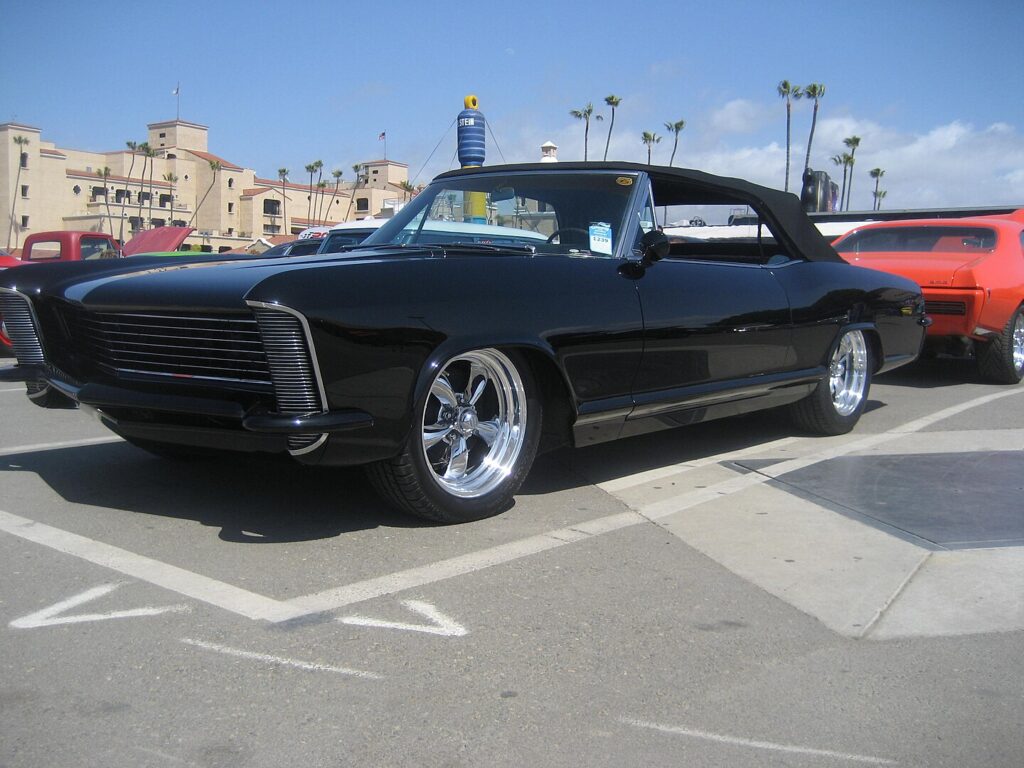
Boasting an upswept tail and dramatic angles, the Buick Riviera introduced the so-called ‘boat-tail’ design in the early 1970s. Engineered with finesse and powered by torque-rich V8s, it blended bold looks with smooth performance.
Unlike boxy sedans, the Riviera arrived with an almost nautical flair. Drivers felt wrapped in sculpted elegance rather than surrounded by steel. For boomers, it signified transitional design—part Jet Age, part lounge-on-wheels, marking a shift from youthful aggression to mature sophistication without surrendering flair.
11. The Chevrolet Camaro brought youthful energy to the muscle car showdown.

A direct response to the Ford Mustang, the Chevrolet Camaro launched with powerful engine options and a taut, aggressive stance. By 1969, flared fenders and Rally Sport trim gave it visual punch on the road or the racetrack.
Flanked by Trans-Ams and Road Runners, the Camaro became teenage wallpaper material and weekend wrench projects. It encouraged identity through customization—from paint stripes to hood scoops. Its appeal endures not just through nostalgia but because it embodied accessible cool without pretension.
12. The Ford Thunderbird evolved from a sports car into a personal luxury icon.
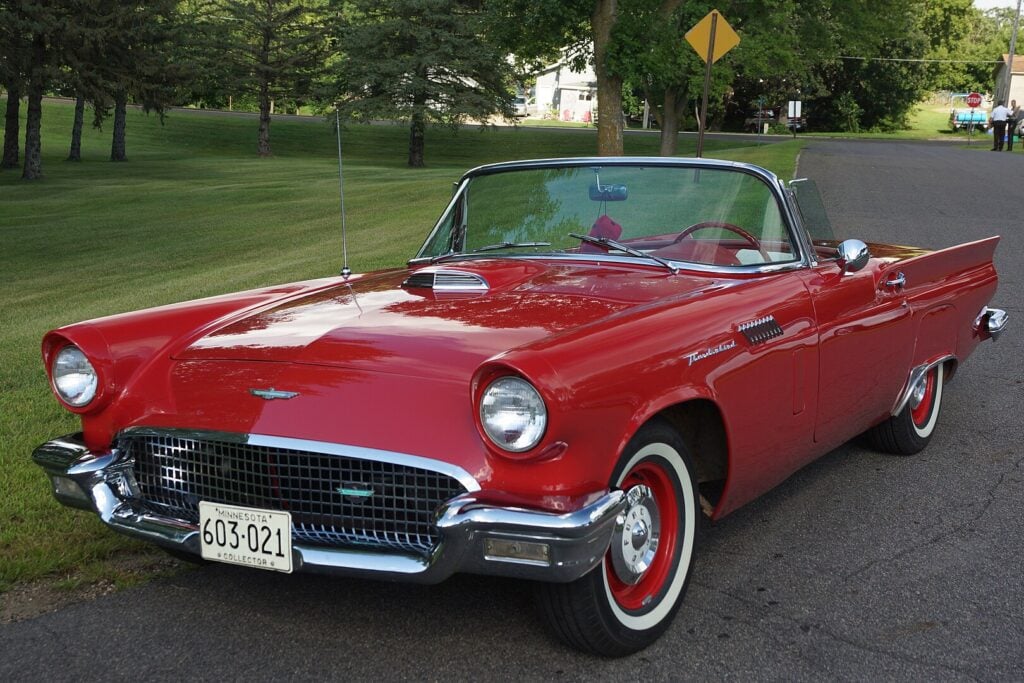
Originally designed to rival the Corvette, the Ford Thunderbird quickly pivoted into something more intimate. By the late 1950s, it had grown into a personal luxury car with plush interiors, sweeping lines, and two-plus-two seating.
No longer chasing speed records, it carved a niche with comfort and curb appeal. Opinions often split—some saw a departure from sportiness, others a suave evolution. For boomers, the Thunderbird hinted at grown-up tastes: a car you didn’t outgrow but grew into.
13. The Datsun 240Z married reliability with spirited driving for a new generation.

Released in 1970, the Datsun 240Z arrived with clean design, a straight-six engine, and independent suspension—all at a modest price. It blended sports car flourishes with bulletproof Japanese engineering.
On winding hills and suburban cul-de-sacs alike, the 240Z offered spirited driving without mechanical drama. Boomers took notice, and the car helped shift perceptions about imports. More than a bargain alternative, it opened the door to a new definition of performance—lightweight, reliable, and surprisingly nimble.