
Some garage staples are worth so little, they’re not even worth the space they take up
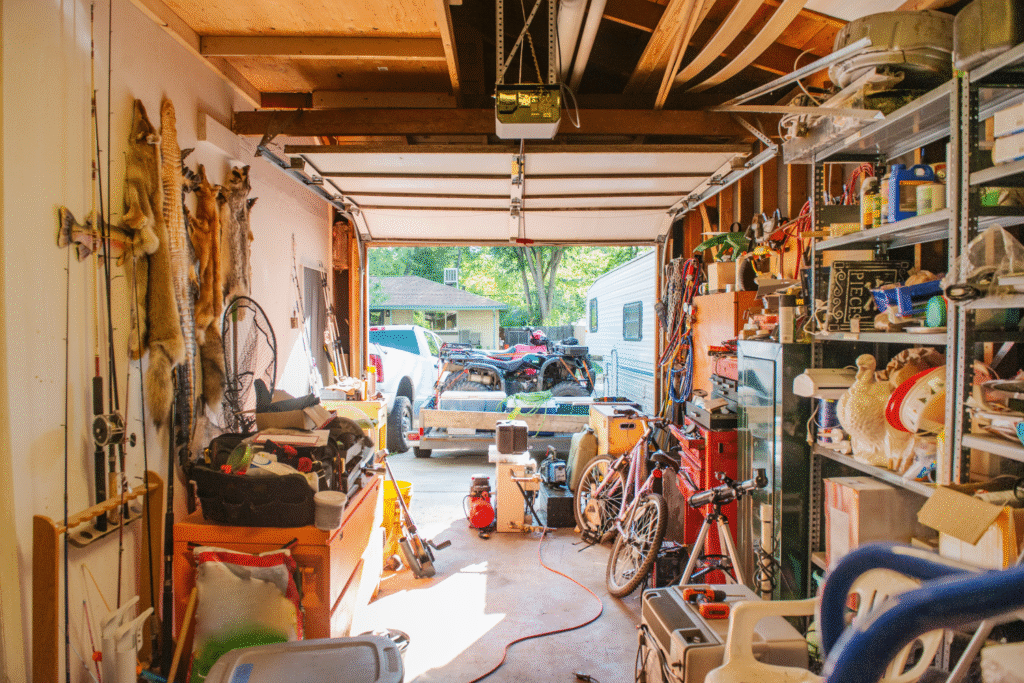
It’s easy to forget what’s gathering dust behind the cooler or under the shelving unit. Many household items tucked into garages lose value fast, especially when exposed to heat, moisture, or neglect. What might seem like a backup tool, seasonal gear, or just-in-case item often ends up as clutter with no financial upside. Understanding what’s not worth saving can help reclaim space, simplify cleanouts, and keep only what truly earns its shelf.
1. Worn-out garden hoses that crack before the summer even ends.

A garden hose hardens over time, especially when exposed to sunlight, temperature swings, and pressure changes. Its rubber shell breaks down, leaving you with kinks and cracks that leak water or stop the flow entirely.
By the time warm weather returns, many hoses have aged out of usefulness, even if they look fine at a glance. A stiff line tucked near lawn chairs or tools may seem salvageable, but once it splits mid-task, you’re left with a wet mess and a wasted shelf slot.
2. Chipped paint cans that have dried into unusable sludge over time.

An old paint can might feel like a backup plan, but once the contents dry into lumpy sludge, its days are done. Temperature fluctuations in garages quicken paint breakdown, warping texture and separating the mixture beyond repair.
Even if the lid stays sealed, a single hot summer afternoon can ruin what’s inside. Digging through layers of half-used containers just to find a usable drop often ends in frustration and a trip to the hardware store anyway.
3. Old patio cushions rotting beneath layers of dust and cobwebs.

Foam patio cushions grow brittle with time, especially in damp storage. Dust, moisture, and insect droppings settle into their seams, turning soft padding into a sponge for mildew and odor.
Long-forgotten cushions tucked behind coolers and garden supplies rarely survive a second season. Even if their covers still match the outdoor set, collapsed stuffing and hidden spots make them more liability than luxury.
4. Broken sporting equipment taking up more space than it justifies.

A cracked tennis racquet or a dented helmet doesn’t hold resale value on nostalgia alone. These items, built to withstand motion and impact, lose both function and safety once damaged.
Lodged behind bins or wedged into corners, broken gear becomes invisible clutter. A split lacrosse stick or a warped skateboard might once have seen action, but today they rank among the least useful things to keep out of guilt or habit.
5. Faded holiday decorations missing key parts and sentimental value.

Stray garlands missing bulbs or snapped plastic figurines rarely survive their hiatus in storage. Their fading colors and dropped parts often reveal themselves only when it’s too late to fix.
A tangled string of lights that worked five years ago won’t impress anyone today. Beneath that cardboard box marked “holiday,” odds are you’ll find more disappointment than delight, especially when key plugs or decorative features are bent beyond repair.
6. Malfunctioning power tools that haven’t sparked in years.
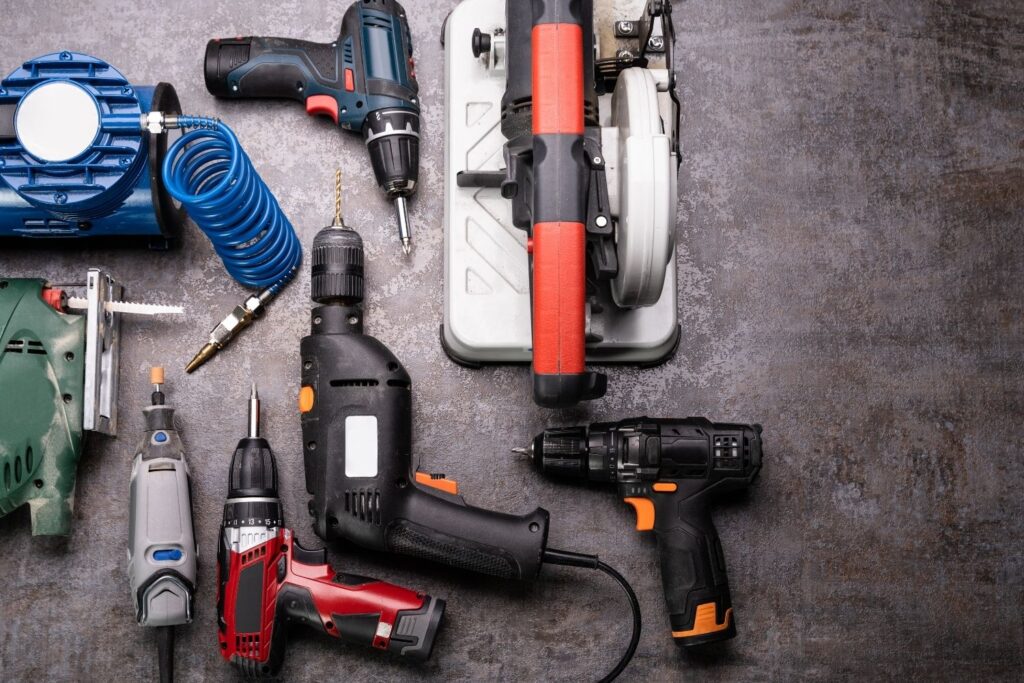
When gears seize from dust and batteries corrode, a once-reliable drill turns deadweight. Even minor issues in power tools often cost more to repair than to replace, especially when the brand was discontinued or lower-quality to begin with.
A bulky saw with a frayed cord might sit untouched for years until a project reminds you it’s broken. By then, replacing it likely takes less effort than hauling it to someone who might want it for parts.
7. Outgrown children’s bikes with rusted chains and flat tires.

Children’s bikes don’t age well once forgotten. Their chains rust, seats crack, and tires slump into warped rims that no patch kit can redeem. By the time you notice, growth spurts have rendered them doubly obsolete.
Stored alongside rakes and recycling bins, miniature bikes lose whatever value they once held. Even donation centers impose strict safety checks. A toddler tricycle with missing grips is unlikely to make the cut.
8. Boxes of tangled cords no one remembers the purpose of.

Random power cords and auxiliary cables jammed into boxes often trace back to devices no longer in the house. Their connectors are outdated, and without matching electronics, the wires become nothing more than rubber tangles gathering grit.
Sorting them feels like decoding a forgotten puzzle. Even when you find a match, exposed copper or loose ends make them useless or unsafe. Yet they linger, taking up boxes meant for real tools or gear.
9. Outdated electronics that no longer turn on or connect to anything.

Old electronics, especially those with broken screens or outdated ports, seldom find new homes. A dusty camcorder or older DVD player that can’t connect to modern TVs serves little purpose beyond nostalgia.
Electronics age backward in value. Even working models lose resale power fast, and damaged ones typically qualify as e-waste. Stashed behind totes and tarps, their cores may carry memories, but their market worth sits somewhere near zero.
10. Empty storage bins that once held clutter and now are clutter.
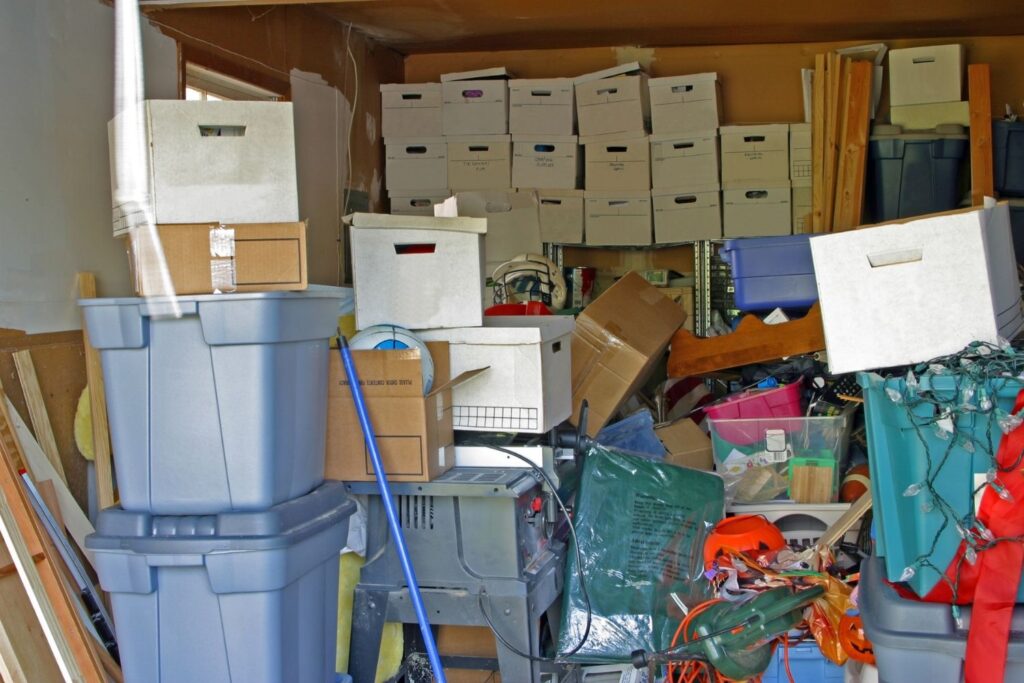
An empty bin might seem like potential, but it quickly turns idle. Once its original contents disappear, the bulky plastic container clutters shelves meant for active use.
Even labeled and stacked, vacant bins become the clutter they were meant to manage. Covered in spiderwebs, they offer nothing while filling valuable floor or shelf space—space that could serve daily tools or gear instead.
11. Spare tiles and flooring scraps that don’t match anything anymore.

Spare tiles can feel useful until you realize they don’t match any floor you still have. Their patterns fade from fashion and their edges chip during years of disuse.
A single leftover box—kept for “just in case”—rarely suits future fixes or upgrades. Unless the original surface remains unchanged, the odds of needing those specific pieces drop with each passing renovation or style shift.
12. Cracked plastic shelves sagging under the weight of forgotten stuff.

Plastic shelving corners often split under stress. Once cracked, even sturdy-looking units bow, shift, or collapse, turning what should organize into a source of disarray.
Tucked against unfinished walls, sagging shelves bear weight they weren’t meant to hold. Over time, bins start to slide, screws bend, and forgotten objects slide into dust-lined layers better suited for the dump than for hard-earned storage real estate.