
Appreciating grandparents starts with noticing the small, steady gestures they quietly offer every day

Grandparents often shape our lives in ways that are easy to overlook but deeply lasting. Through humble habits, quiet routines, and unwavering love, they provide a sense of continuity and grounding. Whether it’s a well-worn story, a home-cooked meal, or advice offered gently, their presence fills more than just rooms—it fills emotional gaps. Taking time to notice and value these contributions helps strengthen family bonds across generations.
1. Sharing family stories that connect generations and deepen roots.

A well-told family story travels further than photo albums or ancestry charts. Grandparents bring history to life with laughter, nickname origins, and scandalous side notes that don’t appear in official records.
Under their voices, stories thicken into memory. A tale of an old pickup truck breaking down on prom night sticks as deeply as a recipe from a spiral-bound church cookbook. Stories like these turn family members into characters you can picture—and miss.
2. Offering unconditional support during life’s milestones and quiet moments.

Steady love shows up in the background: a quiet ride home after a hard day, or a presence in the waiting room hours before any news. Grandparents often hold that space without being asked.
During big moments or slow ones, they keep showing up. Even when they’re no longer in charge or needed for logistics, their belief in you can ground the room. A worn hand on the shoulder can offer more reassurance than a dozen pep talks.
3. Cooking nostalgic meals that bring everyone back to the table.
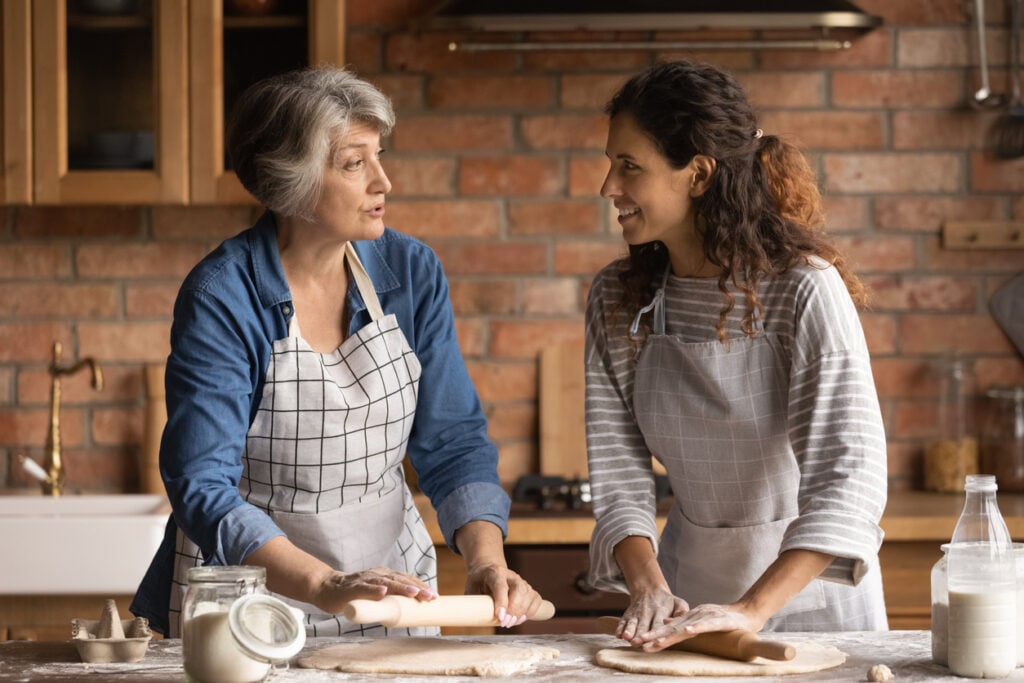
Some meals aren’t just about flavor—they’re about place. A pot of chicken and dumplings or a tray of butter cookies both say: this is where you belong.
Even younger generations raised on delivery apps lean in when that familiar aroma floats down the hallway. The slow ritual of preparing familiar foods can stitch people together across ages, no fancy china required. The clink of the old casserole dish does half the talking.
4. Remembering birthdays, anniversaries, and the little details that matter.

Dates live on calendars, but remembering them makes people feel seen. Grandparents often recall birthdays, first piano recitals, or the anniversary of a loved one’s passing.
They stitch these details into cards, casual phone calls, and conversations over tea. A sticky note on the fridge with a grandchild’s soccer schedule might seem small, but it forms the scaffolding of a lifelong bond. Consistency builds trust faster than fanfare.
5. Teaching old-fashioned skills with patience and a touch of pride.
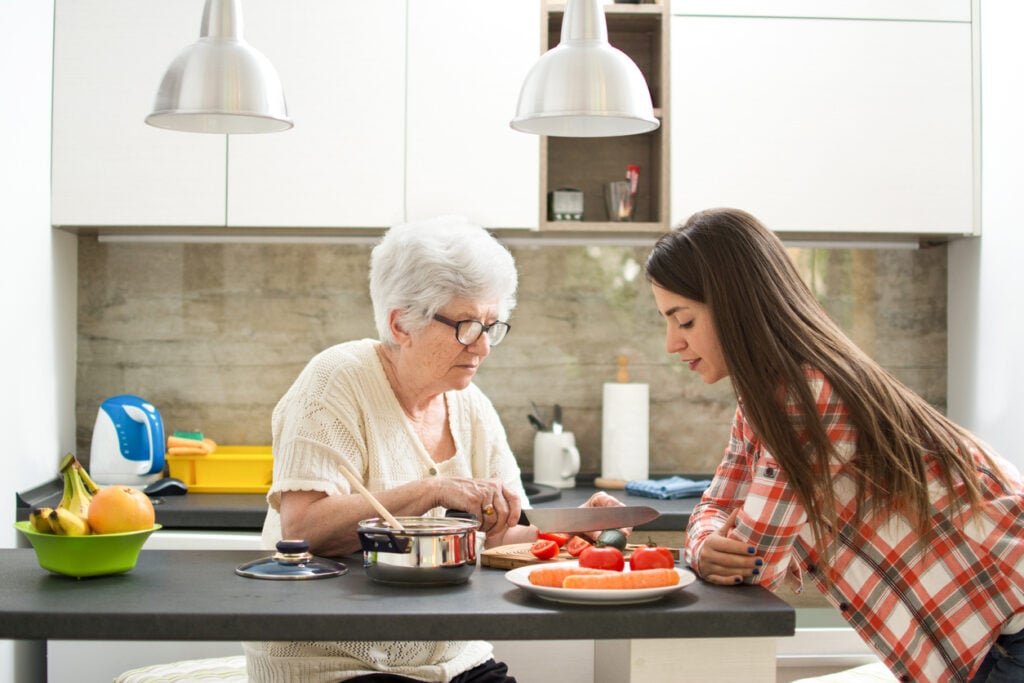
Long before tutorials flooded screens, know-how passed hand to hand. Grandparents taught how to stitch a hem, sand a windowsill smooth, or identify bird calls by ear.
Often, their lessons come with pauses—they let silence settle so the skill can land. That approach teaches patience alongside technique. Holding a fishing pole in the backyard or threading a needle on the porch can create the kind of memory that sticks longer than facts.
6. Listening closely, even when they’ve heard the story before.
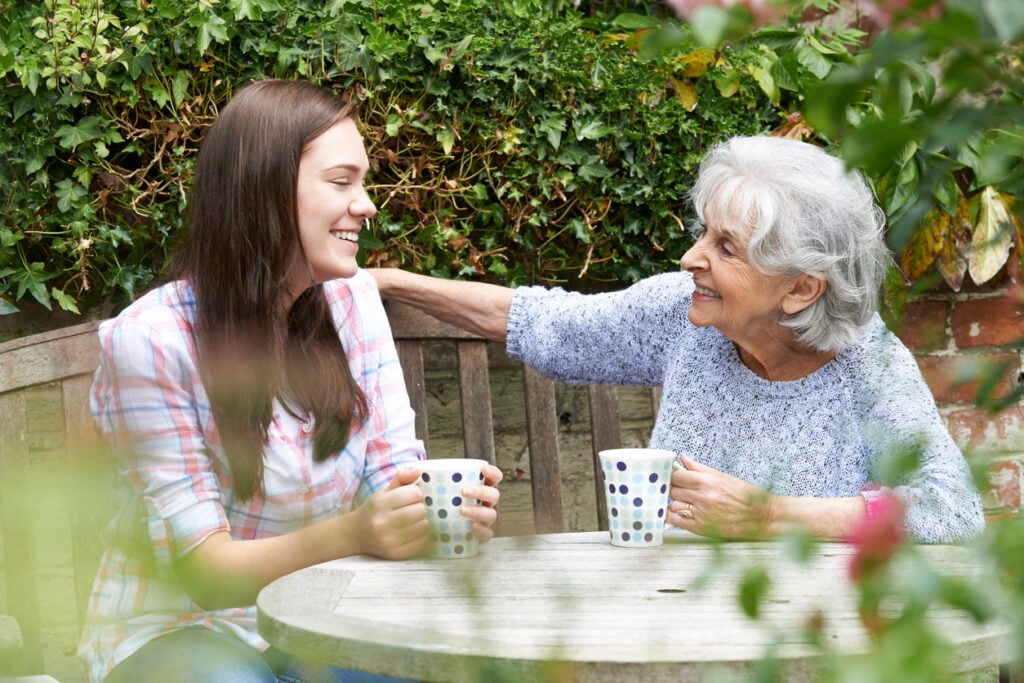
When someone listens without interrupting, they make room for thought. Grandparents often replay familiar stories—not because they’ve forgotten, but because the moment still matters.
Their quiet attention signals value, not boredom. Even if they’ve heard it a dozen times, they nod, they smile, and they prompt. That kind of listening can feel rare in a distracted world. It’s the kind that helps people feel known rather than just heard.
7. Showing up for school plays, graduations, and everyday triumphs.

Being present doesn’t always mean big gestures. Grandparents fill the seats at school plays, wave at field days, and linger for victory ice cream after small wins.
Their reward is often just being within earshot. A child scanning the crowd for support might lock eyes with them and grin, emboldened by that steady presence. Years later, the couch photos and scribbled programs in a shoebox make it clear: they were always there.
8. Filling homes with quiet routines that create lasting comfort.

Daily habits can feel invisible until they’re gone. The way a grandparent opens window blinds to greet the day or lays a folded sweater over the armrest adds rhythm to a home.
These routines don’t announce themselves, but they shape the texture of a place. They whisper safety through repetition. A chair always turned to face the living room or the faint scent of soap on clean towels can fill a space with unspoken ease.
9. Making space for laughter, even on ordinary afternoons.
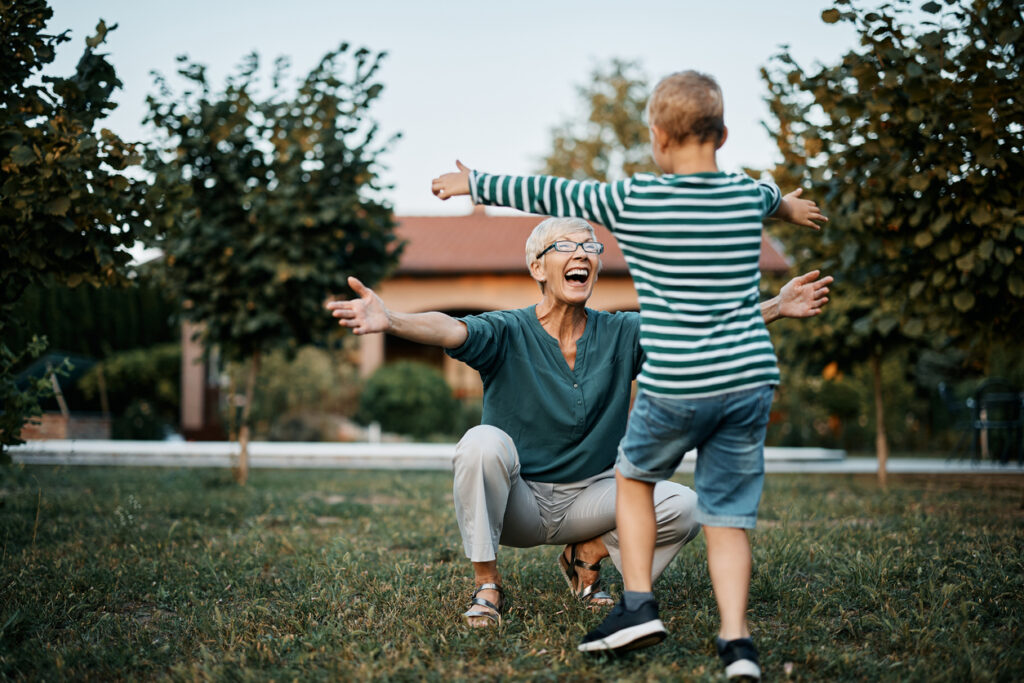
Even dull afternoons brighten when laughter bubbles up unexpectedly. Grandparents often find it in board game blunders, kitchen mishaps, or the wild logic of a four-year-old’s joke.
They let moments stretch with laughter, not hurry past them. Not every chuckle needs to be shared online; often it flickers quietly across a wrinkled face and stays close. Light moments like these cushion harder days without needing to explain why.
10. Giving advice rooted in experience but free of judgment.
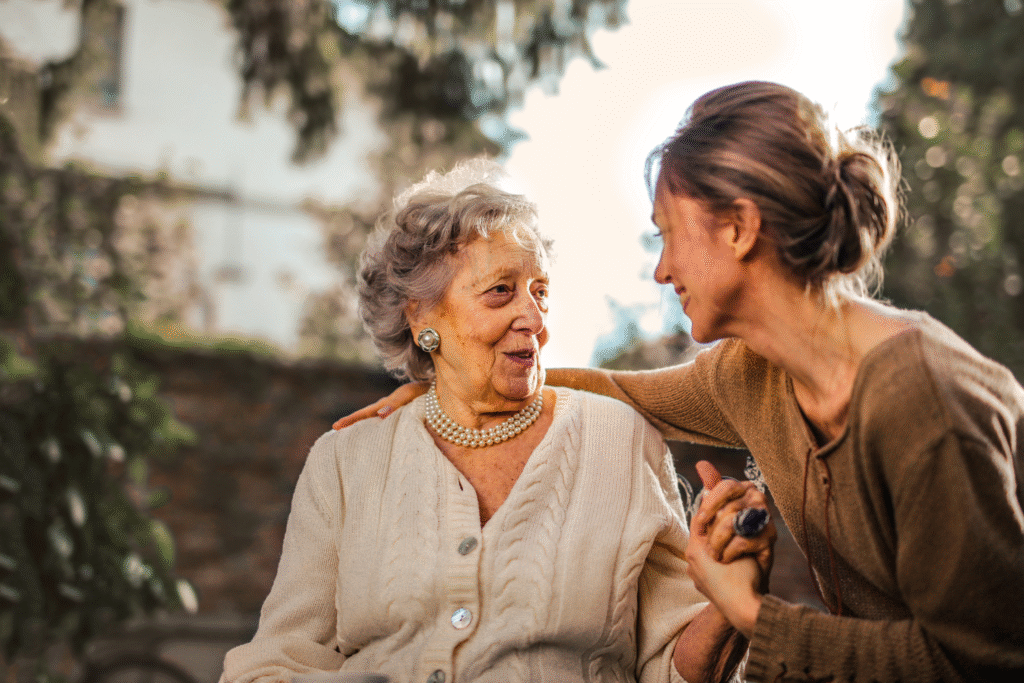
Advice hits differently when it comes without pressure. With age, many grandparents offer guidance more like a coat held open—you can take it or leave it.
Their words often carry weight because they filter out the noise. A phrase may echo from earlier decades but fit the present moment like a glove. They’re not prescribing; they’re offering perspective you didn’t know you needed until it settled in.
11. Passing down traditions that shape family identity over time.

Traditions can begin with something as small as a scratched pie tin or an annual porch photo. Grandparents tend to guard these rituals, polishing them just enough to pass on.
Even as holidays evolve and locations change, the essence sticks. A favorite carol sung off-key or the way bread is always broken before a meal becomes a thread through generations. These familiar acts tether people to identity without needing grand explanation.
12. Modeling resilience through life’s changes with quiet grace.

Resilience often shows up in quiet ways: in how a grandparent adapts when routines change, health shifts, or family landscapes rearrange. Their steady tone can steer a family through fog.
They rarely name it. Instead, they carry on with small acts—a plant watered each morning, a Sunday call never missed. Watching them meet change with grace teaches more than lectures ever could. It’s a masterclass in how to stay rooted while growing.