
Early habits like budgeting, mending, and face-to-face connection still shape independent retired life

Many Boomers entered retirement with a toolkit of skills their younger selves took for granted. What began as routine chores or lessons in self-reliance now contributes to smoother, more confident days without the structure of full-time work. From balancing a checkbook to repairing a loose hinge, these practical abilities bridge the past and present. They help retirees stretch resources, maintain routines, and stay both connected and capable in a changing world.
1. Sewing and mending clothes to make wardrobes last longer.
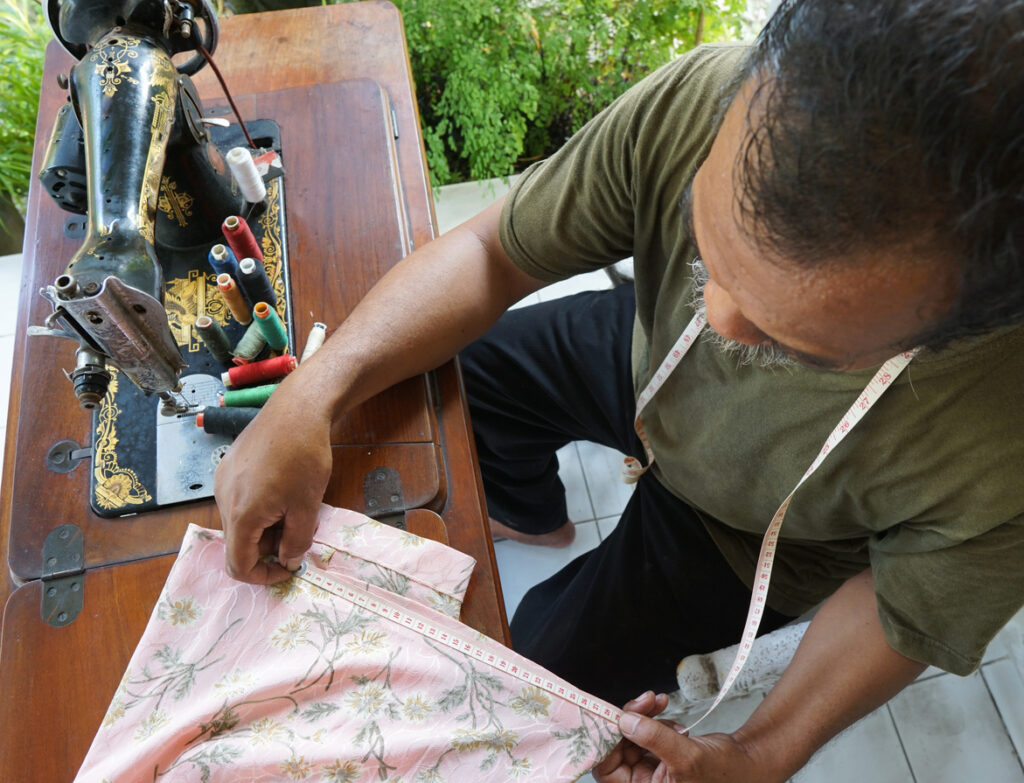
A threaded needle and a steady hand once turned frayed cuffs or split seams into lasting repairs. For many Boomers, sewing wasn’t a hobby—it was a standard part of household upkeep, ingrained through repetition at kitchen tables or in home economics class.
Today, that practical habit anchors a subtler kind of sustainability. Rather than shopping to replace every snagged button or torn hem, retirees who still stitch save money and keep familiar garments in rotation longer. A flannel shirt that fits just right earns more life with a few precise stitches.
2. Budgeting weekly expenses with pen, paper, and sharp discipline.

Balancing a checkbook on Sunday night came with rituals: spread sheets, sharpened pencils, and a fixed weekly envelope for groceries. Boomers often learned budgeting as a physical act, writing down every expense to know exactly what remained for each category.
That concrete discipline carries over into retirement, where income may be predictable but limited. Tracking spending by hand builds awareness that digital tools can’t fully replicate. A crisp receipt tucked into a notebook tells a more personal story than an app alert.
3. Cooking meals from scratch using pantry staples and basics.

Boiling dry beans or simmering a stew from scratch once meant dinner without a store run. Boomers grew up in kitchens where flour, vinegar, and salt formed the base of countless meals, often improvised based on what was at hand.
That baseline knowledge thrives in retirement, when time returns but eating out too often strains the budget. Cooking from basics offers comfort and control, whether preparing a pot of vegetable soup or repurposing leftovers into something new and warming.
4. Writing handwritten letters that build lasting personal connections.

Before email, writing a letter involved choosing the right paper, crafting each sentence, and sealing the envelope by hand. Many Boomers learned to share thoughts in full pages, not quick fragments, sending words across miles with a personal imprint.
Those handwritten letters still hold emotional weight, especially in a time when most messages vanish after a glance. A neatly folded note in a familiar hand can reconnect people long after a phone number changes or a thread disappears.
5. Fixing broken items instead of replacing them right away.

When a toaster stopped working or a drawer stuck, the first instinct was to troubleshoot, not toss. Boomers often took apart simple appliances or furniture themselves, guided by logic, curiosity, and a few standard tools kept in a kitchen drawer.
Repairing what’s broken not only delays costly replacements—it creates a quiet sense of autonomy. A rubber band around a slipping gear or wood glue in a chair leg might extend an item’s life by years, with just a few quiet minutes of effort.
6. Reading instructions carefully before starting any new task.

Taking time to read instructions—whether for setting a watch or assembling shelves—helped prevent mistakes. Many Boomers absorbed this habit early, from model kits or appliance manuals that demanded patience before results.
That same deliberate approach still leads to smoother projects in retirement. Whether setting up a garden timer or navigating a new interface, those who pause to understand first often avoid frustration later. Folding the instruction sheet back into its sleeve can feel oddly satisfying.
7. Gardening for fresh produce and peaceful outdoor productivity.

Rows of tomatoes or petunias behind chain-link fences weren’t just decoration—they were summer routines. Gardening taught Boomers how to work slowly and attentively, from turning soil to pinching back leaves, with patience rooted in visible reward.
In retirement, tending a backyard bed or container garden provides both fresh produce and quiet purpose. A ripe bell pepper harvested at sunrise reminds one of cycles: nurturing, waiting, and enjoying, all at once. The soil under fingernails tells its own story.
8. Saving spare change and small amounts with steady commitment.

Dropping dimes into a piggy bank wasn’t just child’s play—it built math skills and patience early on. Many Boomers learned to count savings with physical coins, sharpening an instinct for delayed gratification through habit.
That steady practice still adds up. Even modest savings, tucked aside from a weekly budget, bring quiet reassurance when larger expenses appear. Retirement doesn’t erase the value of accumulation through small choices; it highlights it, one quarter at a time.
9. Practicing patience while working toward long-term goals.

Waiting for a letter to arrive or saving up for a first bike taught Boomers how to sit with anticipation. Patience wasn’t optional—it was the natural rhythm of things before instant results were a norm.
That sensibility offers grounding in retirement, especially when goals unfold slowly. Whether recovering from surgery or planning a trip on a budget, the skill of staying committed over weeks or months helps steady the mind when outcomes aren’t immediate.
10. Listening attentively during conversations to understand others fully.

A pause, a nod, and quiet attention formed the core of early conversations. Boomers often learned to listen at dinner tables or church gatherings, where interrupting was frowned upon and understanding meant more than waiting to speak.
In retirement, meaningful connection often depends on those same habits. Active listening deepens relationships with family, friends, or neighbors, especially during slower days. Hearing someone out—without distraction—can soften tension and make space for empathy to grow.
11. Cleaning thoroughly without fancy tools using simple solutions.

Chores meant vinegar on mirrors, stiff brushes on grout, and elbow grease—no appliances humming in the background. Boomers grew up scrubbing by hand, often with repurposed fabric rags and pantry staples like lemon and baking soda.
The methods remain effective, especially for spaces that require attention but not automation. A gleaming window cleaned with newspaper and diluted white vinegar can still feel like a small triumph, with no power switch flipped. Cleanliness came from care, not gadgets.
12. Asking neighbors for help and lending a hand in return.
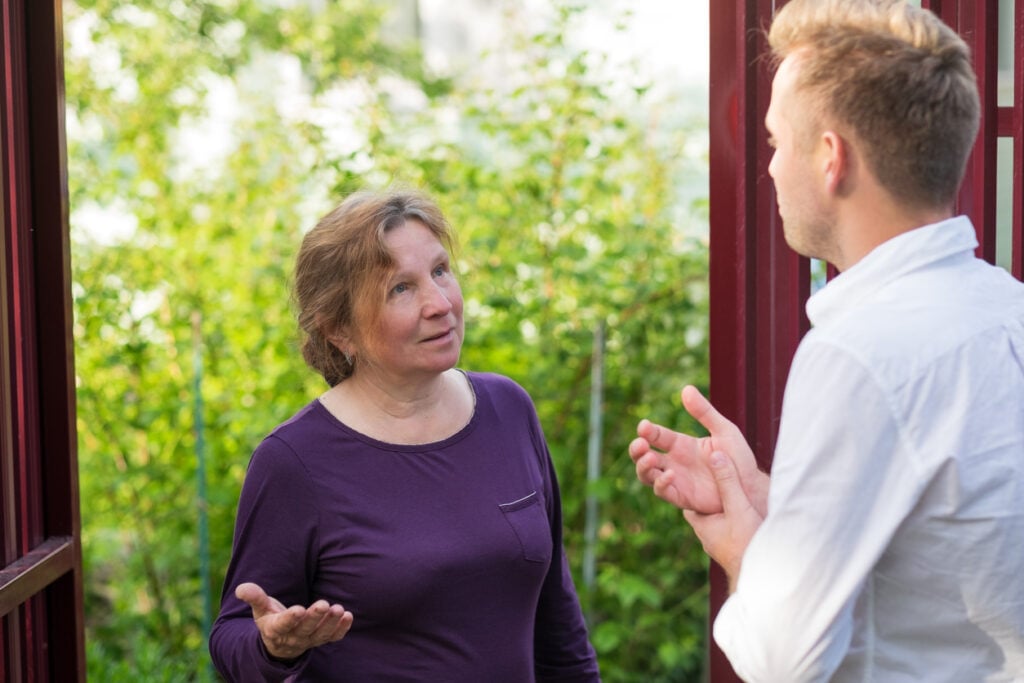
Borrowing a socket wrench or feeding a neighbor’s cat created webs of trust that held firm. Many Boomers lived in tightly knit streets where help traded hands freely, often without being asked aloud.
Retirement can revive those exchanges, especially as schedules ease and interdependence matters more. Sharing tomatoes from a garden box or helping grab an item from the top shelf reaffirms quiet social bonds—valuable in times when formal networks may recede but nearby eyes still notice.