
Classic kitchen tools reveal generational shifts in cooking habits and household routines over time
Many Baby Boomers still rely on kitchen gadgets that may leave younger generations scratching their heads. From butter bells to electric carving knives, these tools reflect a time when home cooking followed different rhythms and priorities. As culinary technology has advanced, some items have fallen out of everyday use while others remain quietly effective. Exploring these gadgets offers a glimpse into how traditions shaped kitchens and how those tools still carry value today.
1. Manual egg slicers that create picture-perfect slices with one press.
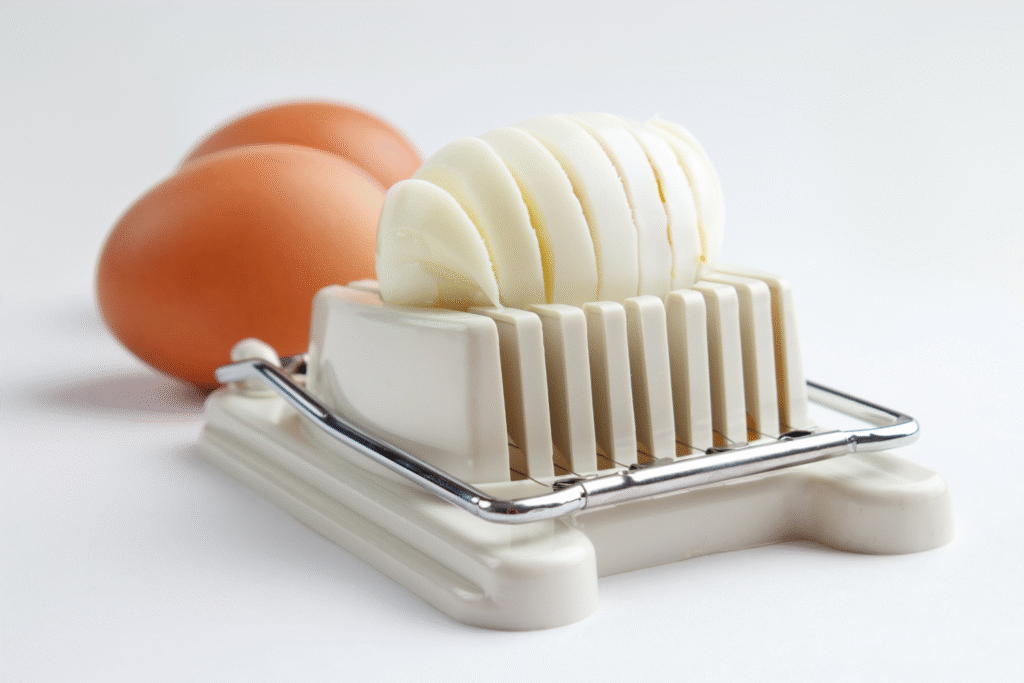
A manual egg slicer uses a hinged frame strung with thin wires to press evenly through a peeled hard-boiled egg, creating uniform slices in one smooth motion. The wires are taut like violin strings, and the result is clean, oval cuts lined up like coins.
Though modern cooks often grab a knife, the slicer ensures consistency without guesswork. In delis or Sunday picnic prep, symmetry mattered on egg salad sandwiches or salads where a single uneven slice could disrupt the clean look of a serving platter.
2. Rotary dial can openers that clamp on and cut with a twist.
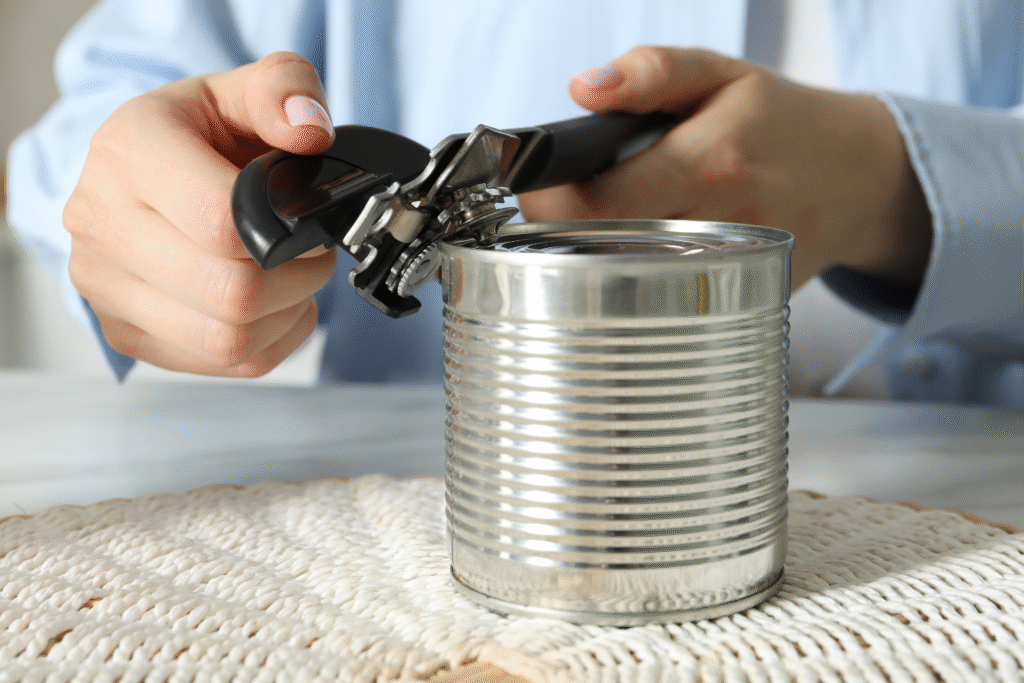
Older rotary can openers clamp onto the edge of a tin and cut the lid by twisting a long side handle. A small gear punctures the metal while a sharp disc digs in, a motion powered entirely by hand, with a distinct metallic crunch.
Electric openers later brought speed, but lacked the mechanical satisfaction of twisting open a can of peaches. The rotary version lived in drawers near measuring spoons, its worn metal handle often spotted with faint rust after years of use.
3. Butter bells that keep butter soft without refrigeration or melting.
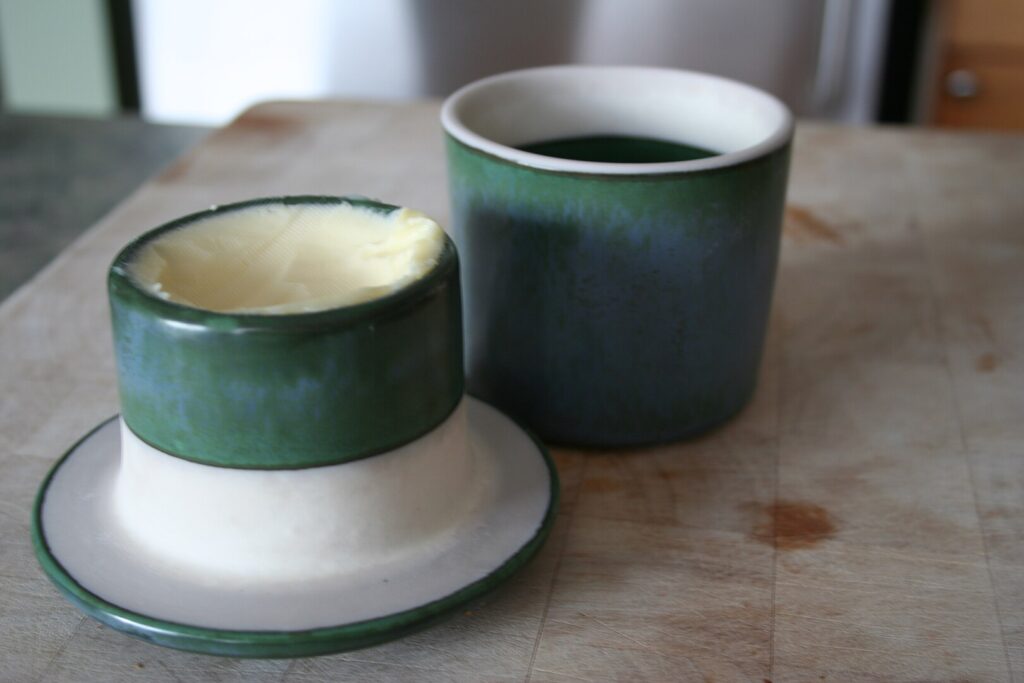
Butter bells, or French butter keepers, consist of two parts: an inverted cup that holds butter, and a base with a small amount of water that forms a seal. This design keeps butter soft yet protected from air, even without refrigerating it.
On countertops near toast racks, the bell allowed spreadable butter without microwave softening or fridge juggling. For daily breakfasts with toast or cornbread, this simple crock offered room-temperature convenience before margarine tubes and whipped spreads took over.
4. Manual coffee grinders that use a hand crank and vintage flair.
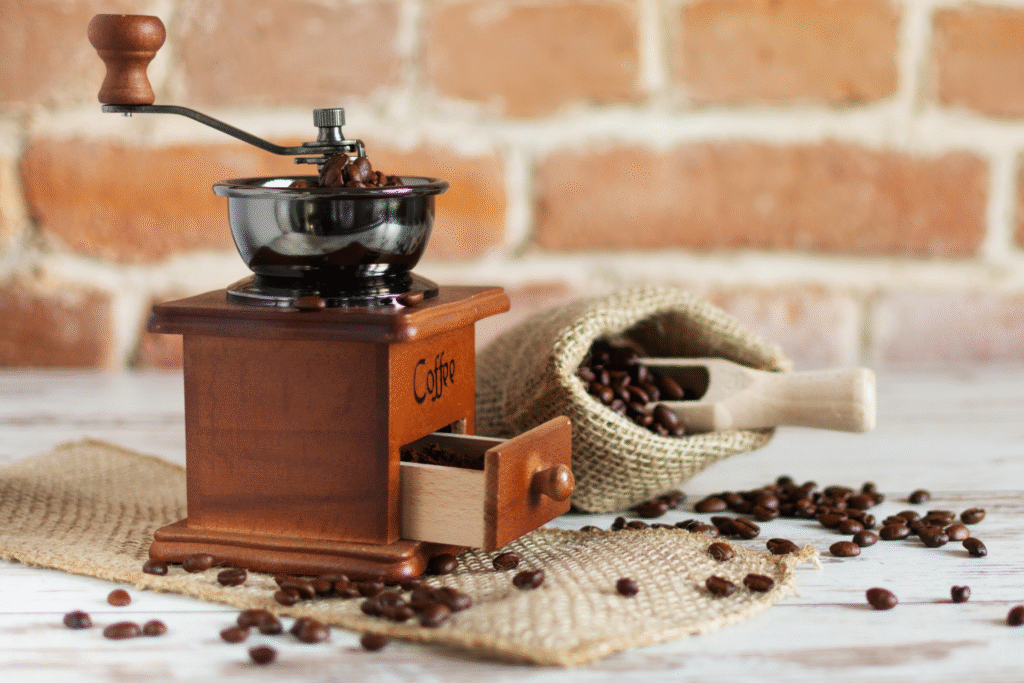
Manual coffee grinders feature a bean hopper and a hand crank, usually made of wood and steel. Turning the crank rotates internal burrs, crushing and grinding beans to a desired coarseness for brewing methods like percolation or French press.
Before countertop grinders whirred to life in seconds, the rhythmic crunch of the crank was part of the morning. The sound blended into quiet kitchens at dawn, where the aroma of fresh grounds drifted from small drawers built beneath the grinder.
5. Wall-mounted jar openers hidden under cabinets for effortless twisting.
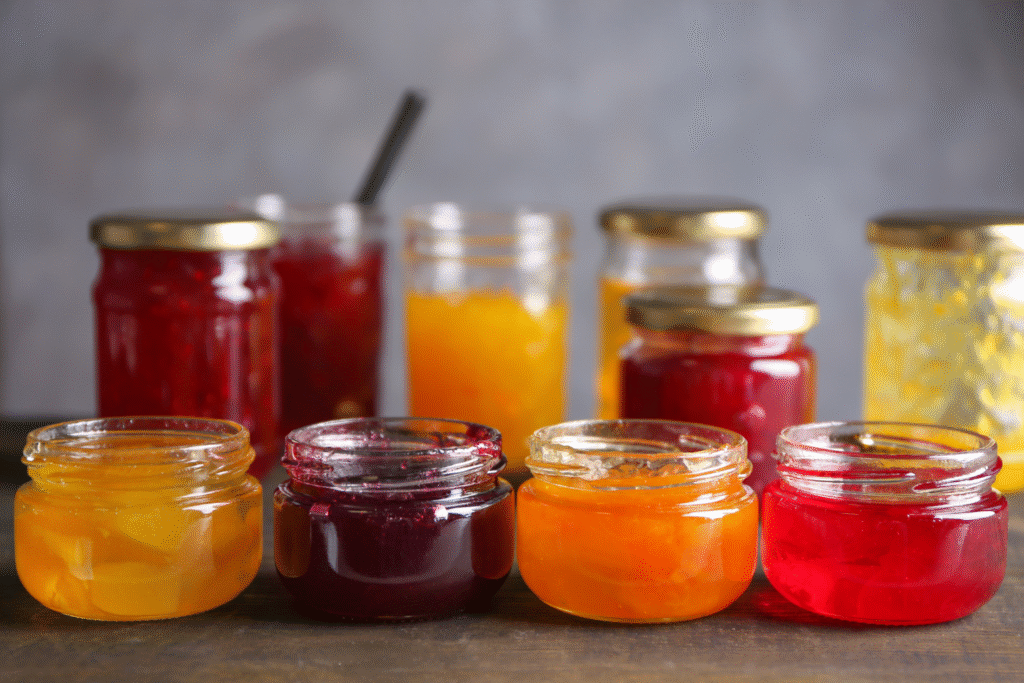
Mounted under kitchen cabinets, hidden jar openers grip lids from below using sharp teeth or textured rings. To open a stuck jar, someone places it against the opener and twists—the fixed position adds strength without risk of slipping or wrist strain.
Often overlooked, these openers blended into wood trim or sat unnoticed until called upon. A stubborn apple sauce jar could be tamed with a single confident twist, often activated with a firm elbow bump or one-handed motion while holding a baby or stirring soup.
6. Stand-alone electric carving knives reserved only for roasts and turkeys.
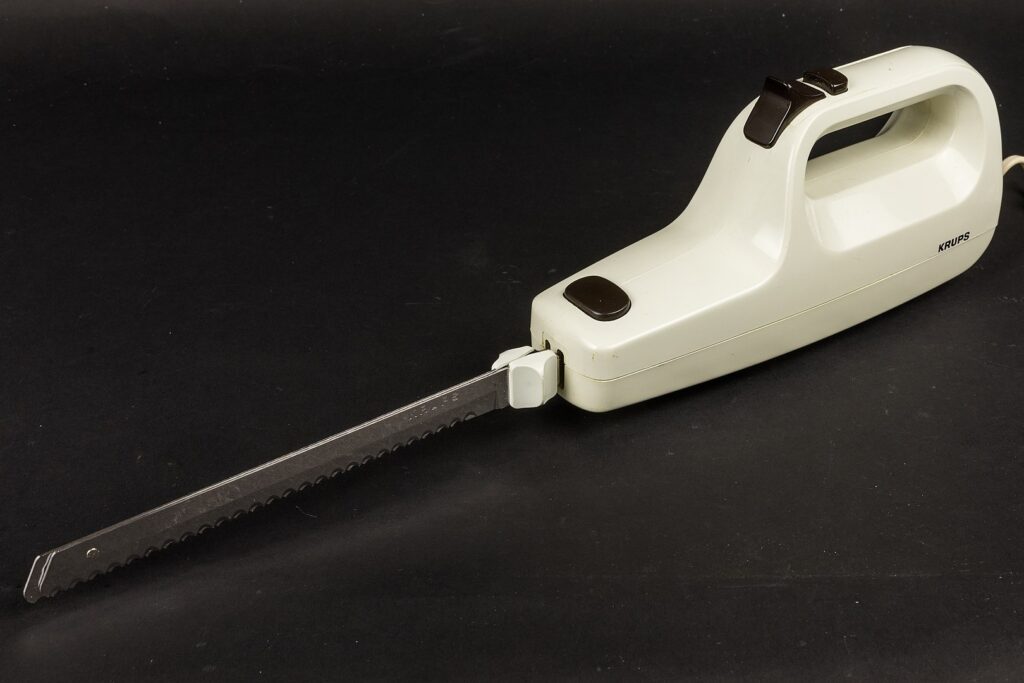
Electric carving knives use a motor to move two interlocking blades in a rapid sawing motion. Typically stored in boxes beneath holiday decor, they emerge during large meals to slice roasts, turkeys, or ham with speed and tidiness.
Many parents reserved this gadget solely for special occasions, where the hum of the motor joined the holiday soundtrack. On linen-covered tables, slices fell in neat stacks—far easier than wrestling poultry with a standard carving knife and carving fork.
7. Silver coffee percolators bubbling quietly before drip machines took over.

Stainless steel percolators marked their territory on stovetops long before drip machines became widespread. Water boils in the lower chamber, rises through a central tube, and rains down over coffee grounds, cycling until the brew reaches the right strength and smell.
The gentle sputter told cooks the coffee was ready, often minutes before guests arrived. A cloth potholder placed underneath helped prevent scorching the bottom—percolators required constant care but rewarded with a rich aroma and a bold, hearty cup.
8. Countertop bread boxes that preserve loaves in retro metal or wood.
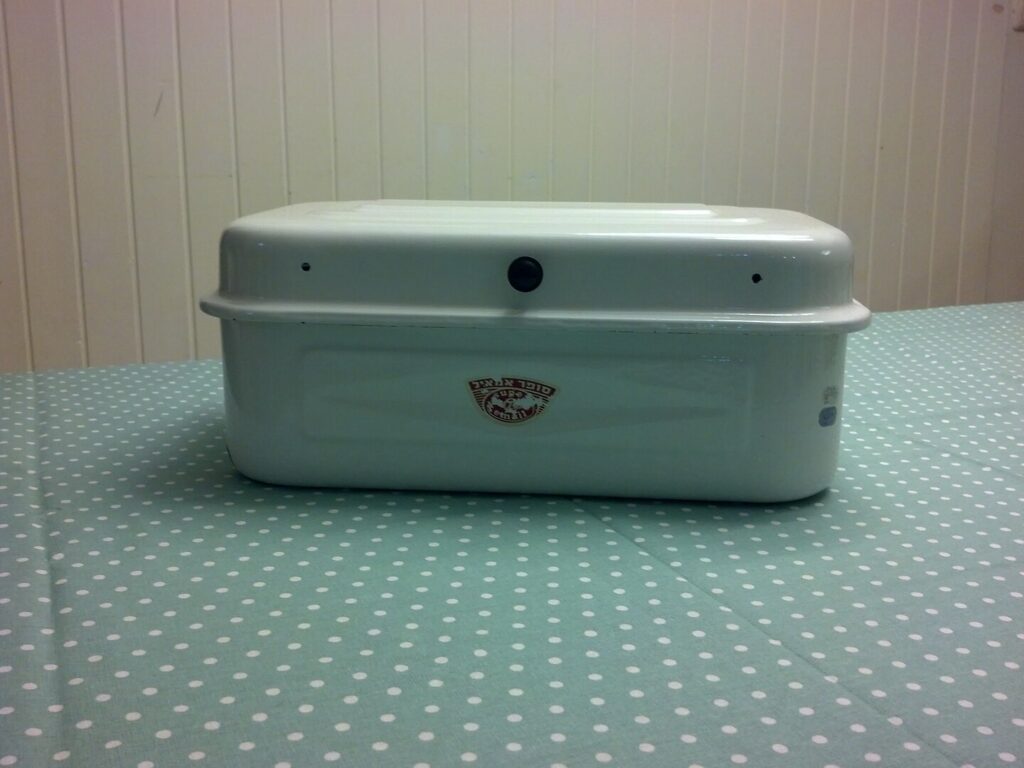
Bread boxes made of painted tin or stained wood once sat proudly on kitchen counters, cradling fresh loaves and shielding them from air and pests. The hinged lid provides darkness and slight ventilation, which helps bread avoid staleness without trapping moisture.
With grocery trips less frequent, preserving bakery freshness meant something. A sesame-crusted boule or soft sandwich bread slipped inside could stay edible for days longer—and unlike plastic bags, the bread box added charm while doing its quiet job.
9. Gelatin molds designed for ambitious salads and towering desserts.
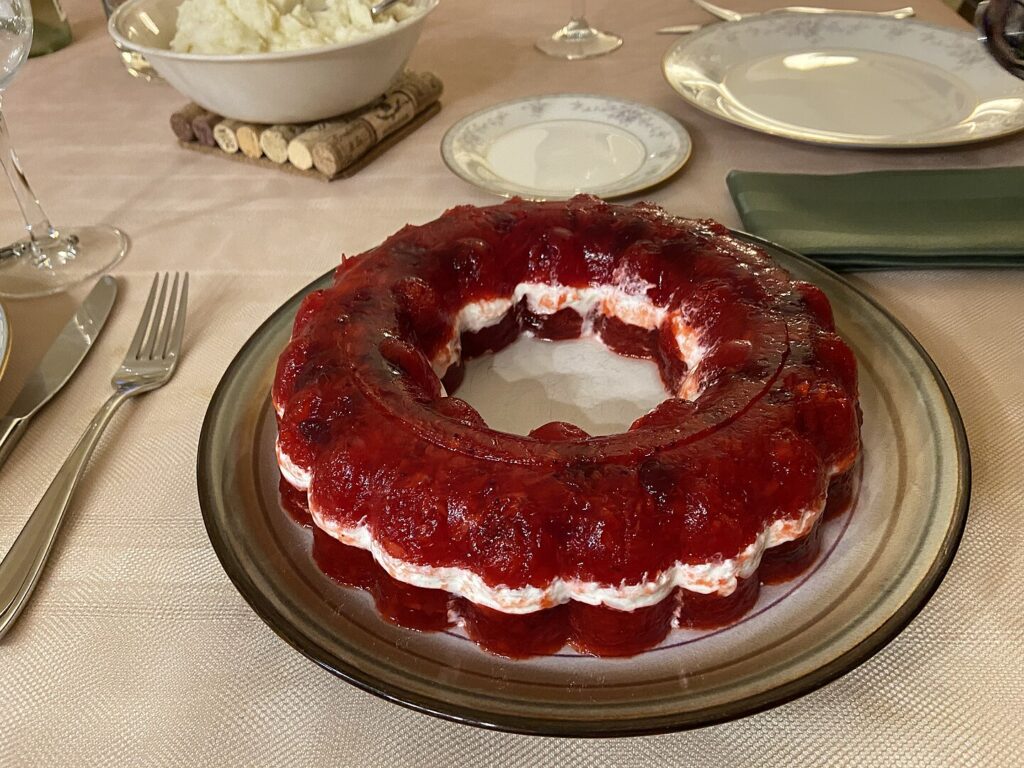
Gelatin molds came in copper or aluminum, shaped like rings or domes, and turned colorful gelatin desserts into showpieces. They transformed Jell-O from a wobbly side into a centerpiece, often layered with fruit, cream, or even shredded vegetables inside.
On buffet tables lined with deviled eggs and punch, molded jelly towers held pride of place. Unmolding was an event itself: a warm towel, an inverted plate, and a slow lift, revealing pear slices suspended mid-set like insects in amber.
10. Pastry blenders used for cutting butter into flour by hand.
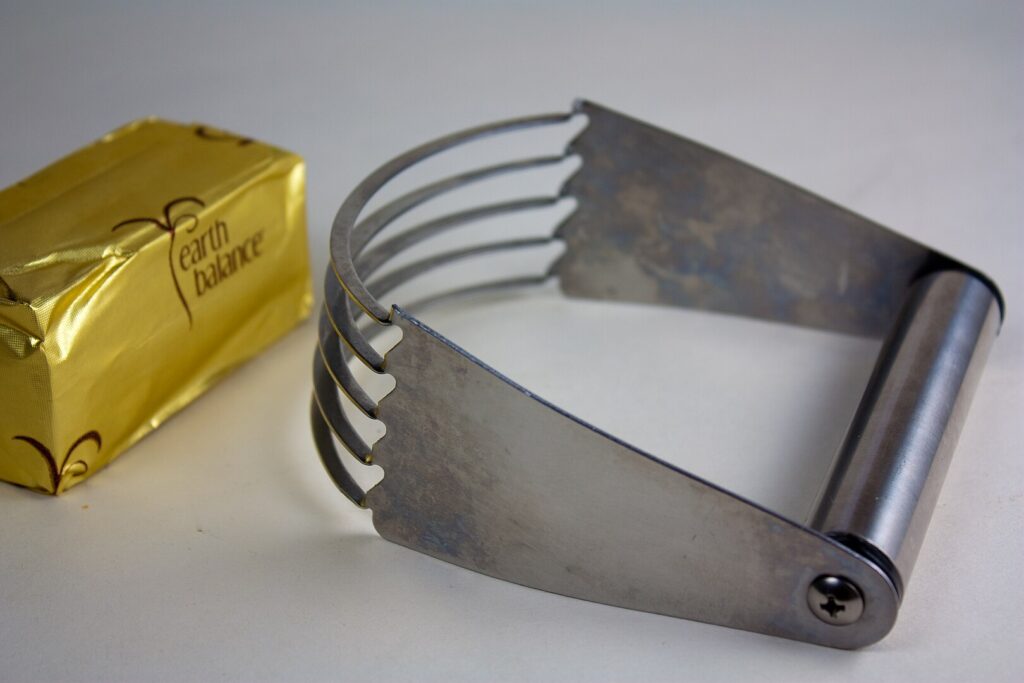
Pastry blenders cut cold fats—like butter or shortening—into flour by pressing through the mixture with metal wires or blades curved into a handle. This creates small clumps essential for flaky pie crusts, where overmixing by hand can lead to dense dough.
In pie-heavy homes, the blender lived among rolling pins and flour tins. Its dull silver arcs mashed butter with rhythmic pressure, each push building structure without melting the fat. The result: a crust that shattered beneath the fork but held together in hand.
11. Glass rolling pins filled with cold water to keep dough cool.

Glass rolling pins filled with cold water keep dough cool during rolling, slowing butter melt and improving texture in pastries. Unlike wood, which warms quickly, the glass stays chilly, especially when stored in the fridge before use.
Elderly relatives often guarded theirs like heirlooms, wrapping them in towels and placing them on the shelf beside sugar canisters. For croissants or pie crusts made from scratch, the tool helped avoid gummy dough and gave bakers more control over every layer.
12. Cherry pitters built for speed during summer canning marathons.

Cherry pitters use levers or spring-loaded plungers to press stones from fresh cherries. One press ejects the pit cleanly while leaving most of the fruit intact—an essential step before preserving cherries or preparing them for pies.
During summer canning, cherry pitters left red splatters across cutting boards and aprons. Speed mattered when ten pounds of fruit waited in colanders; the device allowed hands to move quickly without losing any of the deep red juice or flavor.