
These lasting habits reveal how older adults turned hardship into lifelong values and daily rituals.
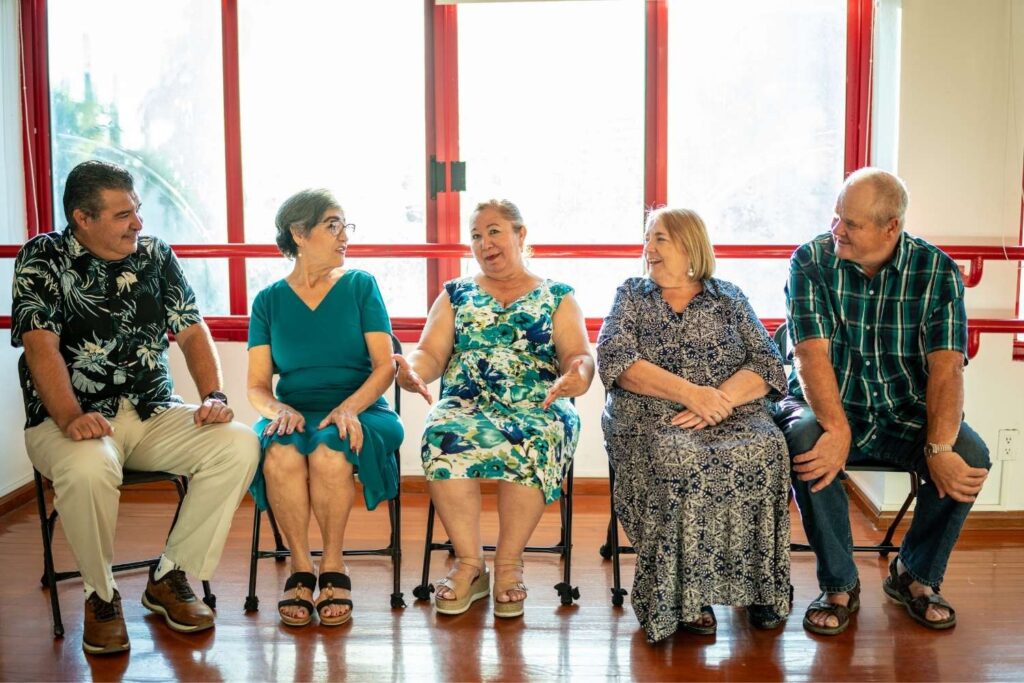
For many people over 60, habits like saving leftovers or reusing containers aren’t just routines—they’re reflections of a childhood shaped by scarcity, resilience, and practicality. Growing up in eras marked by war, economic hardship, or rationing taught lasting lessons about frugality and resourcefulness. These daily behaviors may seem simple, but they represent deep values formed through lived experience. Understanding them offers insight into the strength and adaptability of a generation that learned to make the most of what they had.
1. Saving leftovers and repurposing meals to avoid food waste.

Leftovers often take center stage in kitchens where waste feels personal. Reheated roast chicken, stretched into soup or pot pie, speaks to a mindset shaped by scarcity and appreciation. Repurposing meals isn’t about convenience—it’s about not letting good resources slip through careless hands.
Many older adults recall family dinners assembled from refrigerator odds and ends—half an onion, the last spoon of beans. That kind of kitchen thrift honors both nutrition and memory, a quiet rebellion against the throwaway culture. It teaches awareness of what we consume and what we discard.
2. Repairing broken items instead of replacing them right away.
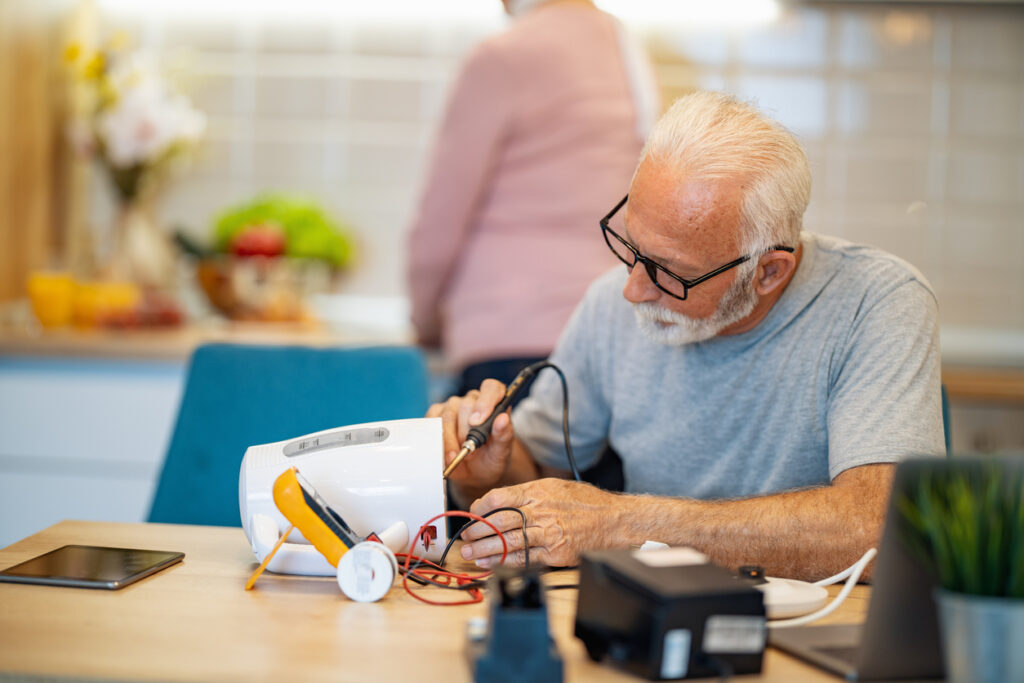
A cracked chair leg or quiet radio doesn’t head straight for the landfill. In homes shaped by the Depression or rationing years, fixing things is second nature. Tools hang cleaned and well-placed; glue, twine, and needle kits offer second chances.
Repairing reflects not just frugality, but a learned refusal to waste effort or material. A patched quilt or mended toaster holds history you can’t buy new. Each fix draws a line between utility and sentiment, where making do respects both budget and belonging.
3. Buying in bulk to save money over time and reduce trips.

Bulk buys of staples like flour, rice, or paper goods stretch a dollar farther and ease future strain. Storing goods in labeled tins or reused jars supports both economy and continuity. It’s a practice rooted in long-term thinking and stable routine.
Beyond cost, buying in quantity means fewer trips and fewer chances of going without during shortages. It reflects a mindset formed when shelves weren’t always full and neighbors bartered extras. One bulk purchase anchors a kitchen against uncertainty with quiet confidence.
4. Keeping a stocked pantry to prepare for unexpected disruptions.

A pantry well-stocked with dry beans, canned tomatoes, and oats signals foresight, not over-caution. The habit comes from a time when weekly paychecks or store deliveries weren’t guaranteed. Shelves lined with practical staples offer more than just convenience.
Readiness means independence. For older adults who remember storms cutting access or pay cuts limiting meals, a full cupboard relieves stress. It becomes a form of insurance built from glass jars, tin cans, and careful planning—not policy terms and contracts.
5. Turning off lights and appliances to conserve energy every day.

Light switches flipped off in the next room and TVs unplugged overnight reflect a trained eye for savings. Energy once felt expensive enough to track by the minute. Older households often still hum with that low-watt awareness.
In small daily choices—opening the drapes for sun-warmth or using a stovetop kettle instead of an electric one—you see how habits formed under cost pressure endure. Even when bills are manageable now, conserving power stays wired to practicality and pride.
6. Keeping handwritten records of important contacts and details.

Important phone numbers in neat cursive, tucked inside kitchen drawers or taped to the refrigerator, serve as analog lifelines. Digital loss doesn’t rattle people who trust pen and paper. Written backups offer calm in the face of power outages or tech hiccups.
During emergencies or scattered moments, a friend’s landline or a doctor’s address in physical form can feel grounding. Experienced adults recognize that batteries die and clouds vanish. Handwritten records don’t crash—they persist in folders, recipe boxes, and address books.
7. Washing and reusing containers rather than buying disposable ones.

Reusable containers stack neatly in kitchen cabinets, from washed yogurt tubs to glass jars once full of pickles. Each one saved feels intentional, chosen not because it’s trendy but because it’s wasteful to toss something functional.
Even when affordable options crowd store shelves, the discipline to reuse remains. A plastic margarine container holding leftover stew signals care, extending the life of packaging and honoring materials once harder to come by. It’s not nostalgia—it’s resourcefulness in practice.
8. Growing herbs or vegetables to supplement grocery needs.

A row of potted tomatoes near the back fence or basil growing in a sunny window tells a quiet story. Growing food—small as it might be—draws on a tradition of self-reliance and daily responsibility.
Harvesting a salad from a container garden doesn’t just cut costs. It sharpens awareness of weather, effort, and timing, echoing habits born from necessity. For many over 60, fresh herbs at home connect their plates to the soil, not just the supermarket aisle.
9. Rinsing out plastic bags and hanging them up to dry.
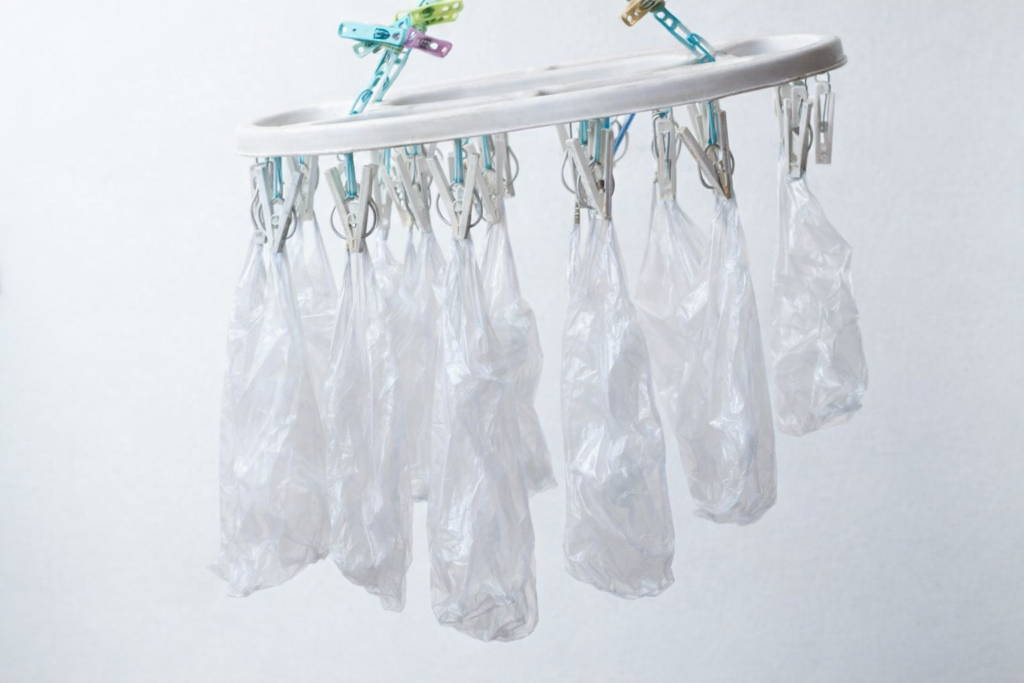
Plastic bags turned inside out and clipped to a drying line in the laundry room may seem old-fashioned. But each one reused saves money and space in the trash. The habit often began when store packaging was precious, not plentiful.
Even today, rinsed and reused bags carry grapes to church picnics or wrap leftovers from a family brunch. To some, saving a clean bag may seem extreme; to others, it reflects lived experience with rationing, when every item had value beyond its first use.
10. Carrying a paper map as backup during travel or errands.

A folded road map in the glove box sidesteps spotty signals and battery melt-downs. Paper navigation recalls a time before apps—when direction meant planning, not real-time correction. It also reflects an impulse to have a backup ready.
Even brief travel can bring surprises: detours, lost phones, unexpected turns. The tactile security of unfolding a city grid offers more than nostalgia. For older adults, it’s control earned through decades of not assuming technology always works when you need it most.
11. Making gifts by hand to save money and add meaning.

Hand-knit scarves or framed family photos crafted from scrap wood speak volumes. Gifts made by hand carry thought, time, and tangible care that stores can’t always package. For many raised through lean years, creativity replaced consumption.
A birthday pie baked from a grandmother’s apple tree or a crocheted blanket tells more than just effort—it echoes an ethic shaped by thrift and connection. Handmade doesn’t mean lesser. In these traditions, meaning outweighs price.
12. Avoiding unnecessary purchases by asking if an item is truly needed.

Pausing before buying and weighing need over want runs deep. People raised during hard times often internalized restraint. Large purchases prompt questions few younger shoppers ask: Will it last? Do I already have something that works?
That inner dialogue isn’t indecision—it’s discipline. The habit reflects decades of making money stretch. Whether browsing catalogs or walking through big-box stores, many older adults bring a quiet filter of necessity that doesn’t waver with trends or impulse.