
Fashion has evolved beyond outdated etiquette, making space for freedom, comfort, and personal flair.
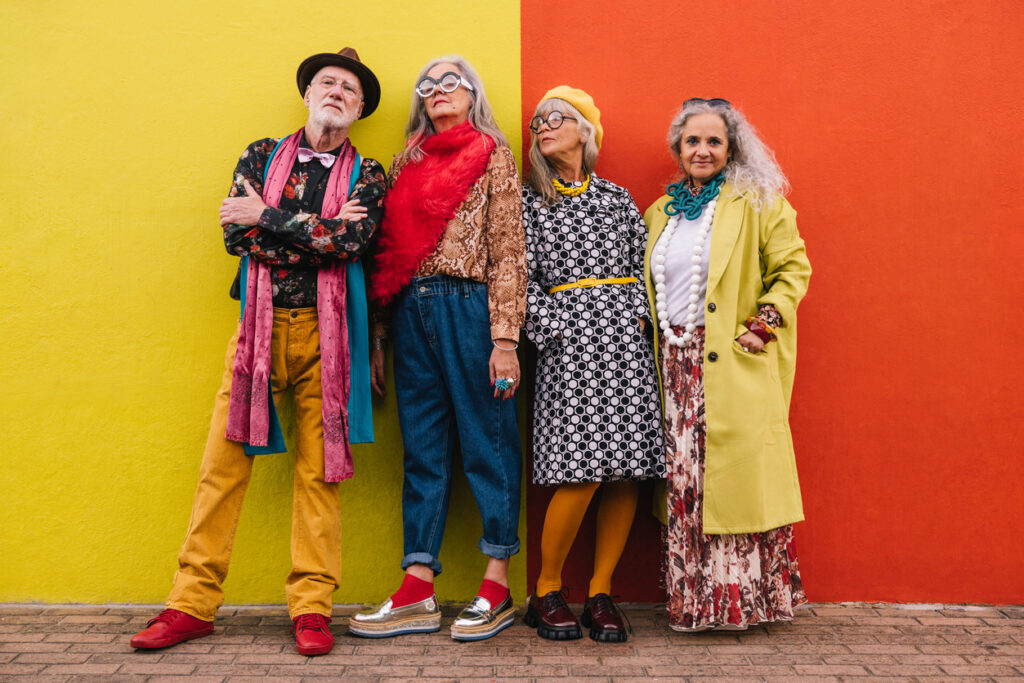
Fashion used to follow a strict rulebook—one that often prioritized coordination over creativity and conformity over comfort. But many of those timeworn style rules no longer apply. Whether it’s mixing metals, wearing white in winter, or ditching the heels, today’s approach to fashion is far more flexible. Embracing a modern wardrobe means understanding which rules are obsolete and how personal style now shapes what’s considered polished and put together.
1. Never wear white after Labor Day, no matter the weather.

Labor Day once marked a shift in social calendars, not just seasons, and wearing white afterward was seen as a faux pas tied to upper-class norms. That line faded as fashion embraced practicality, regional weather, and evolving attitudes about seasonal dressing.
In warmer climates, breathable white cotton pants feel appropriate well past September. Modern wardrobes follow the weather, not a calendar. A crisp white tee under a blazer in October won’t turn heads—it reflects how comfort often trumps outdated etiquette.
2. Match your handbag with your shoes every time you go out.
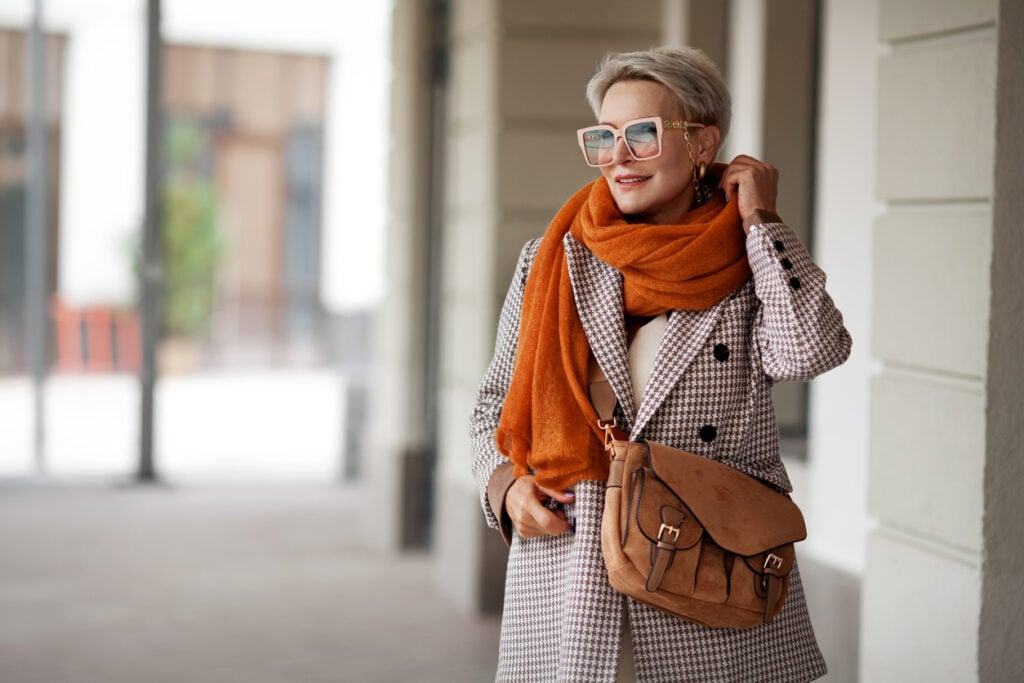
Handbag-and-shoe matching once signaled polished coordination and was a staple of mid-century style. Leather sets in identical beige or black filled closets in the name of balance. Today, cohesion comes more from mood than color.
A cherry red crossbody with tan boots can look intentional, not clashing. The goal has shifted from matching to complementing. Fashion editors treat accessories like accents in a room—meant to play off, not mirror, each other.
3. Always tuck in blouses for a polished, put-together look.
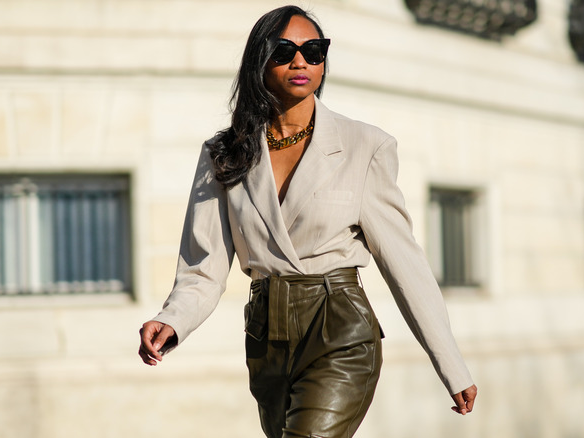
Tucked-in blouses used to signal dressing up, especially in office culture or formal events. The crisp waistline gave off a sense of tidiness thought to reflect discipline. But looser silhouettes now tell a different story.
A silky blouse flowing over jeans feels purposeful instead of undone. The new markers of polish aren’t strict lines but thoughtful combinations. An untucked hem can look refined when paired with sharp shoes or tailored outerwear.
4. Steer clear of mixing gold and silver jewelry in one outfit.
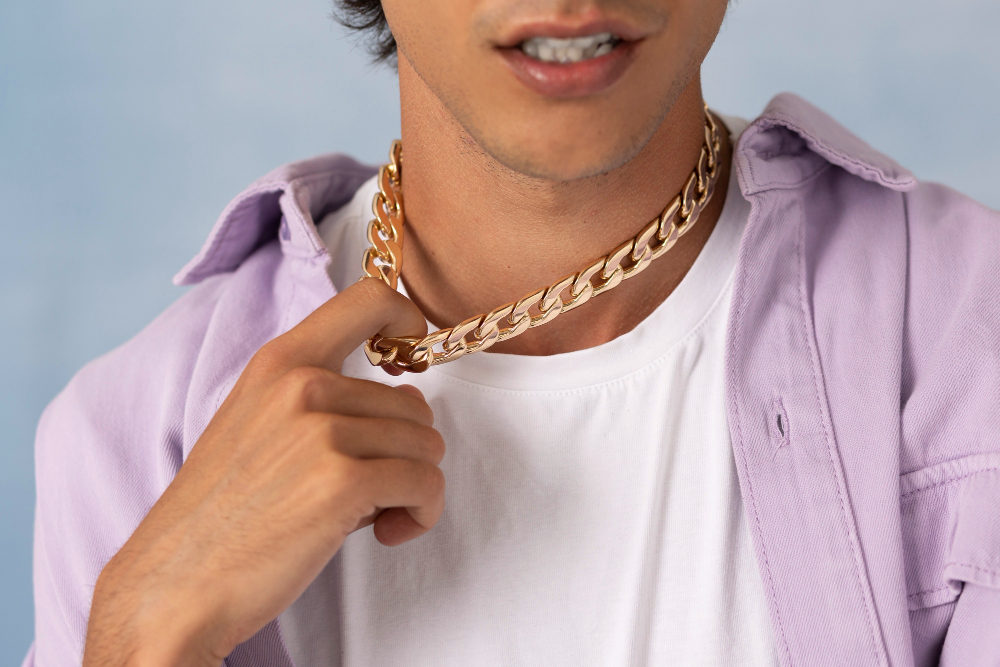
Mixing metals once felt like breaking a basic styling commandment. Gold with gold; silver with silver. That thinking grew from an era when finer jewelry aimed for harmony, not contrast—a notion slowly retired by modern layering.
A silver watch beside gold bangles offers texture and depth now considered stylish rather than messy. Jewelry has shifted from matching sets to curated stacks. Think of it less like symmetry and more like storytelling on your wrist.
5. Reserve sequins and sparkle strictly for nighttime or parties.
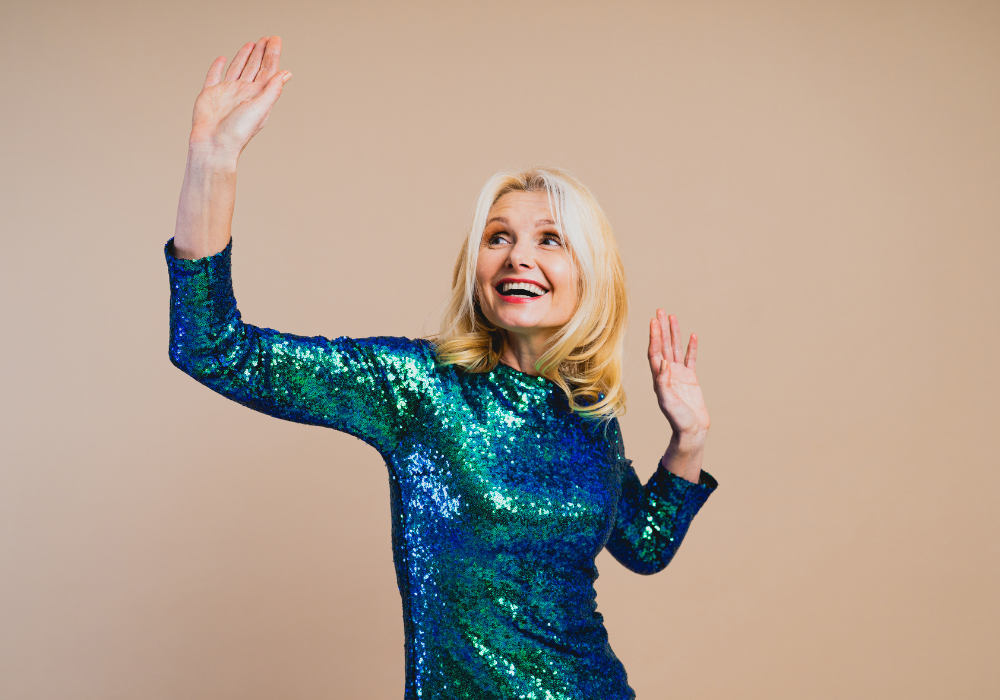
Sequins and sparkle were once seen as nighttime-only, linked to cocktail dresses and ballroom light. The flash stood out under streetlights or chandeliers but felt out of place at noon. The expectation softened when casual pieces joined the sequin club.
A sequin tank under a cardigan at brunch reads playful, not overdressed. Shiny fabric now appears on sneakers, daytime clutches, and sweatshirts. The mood isn’t about occasion—just tone and balance alongside laid-back textures.
6. Avoid denim on denim to keep your outfit from clashing.

Denim on denim gained a bad rap in the early 2000s, often remembered for stiff, matchy sets. The trick lies in contrast—not avoiding the combination entirely. Think stonewashed jacket meets inky jeans, not uniform head-to-toe.
Tone, cut, and finish break up the look. A faded chambray shirt over black jeans avoids the ranch-hand effect. What matters now isn’t the denim pairing—it’s how pieces feel distinct but related, like cousins, not twins.
7. Stick to vertical stripes to appear slimmer and taller.

Vertical stripes were once prescribed like optical illusions—guidelines meant to elongate the body and minimize shape. Clothing leaned on geometry to flatter, sometimes at the cost of personality. That approach now feels narrow in more ways than one.
Visual trickery doesn’t outweigh fabric, fit, or color. A boxy jacket with bold vertical stripes won’t “slim” so much as express style. Structure and comfort offer a stronger impression than illusion ever did.
8. Only wear horizontal stripes if you want to look wider.

Horizontal stripes lived in fear of exaggerating width, especially on midsections or shoulders. Tailors and stylists long avoided them unless using thin lines and dark tones to offset perceived bulk. But that caution became a dated lens.
A sailor-striped tee feels classic, not widening, when worn with sharp trousers or canvas sneakers. Stripes signal character or whimsy—more French seaside than fashion faux pas. Their direction matters less than context and confidence.
9. Pair navy exclusively with neutrals, not with black tones.

Navy was once boxed into a nautical corner, permitted mostly beside khaki, cream, or white. Black was too close, causing visual tension in traditional thinking. Today’s wardrobes blend the two seamlessly, breaking old divisions.
Wearing black jeans with a navy sweater feels modern rather than mismatched. The combination echoes dark florals or inked paper—subtle, rich, and layered. What reads as intentional harmony now once got mistaken for oversight.
10. Choose heels over flats for anything that feels remotely formal.
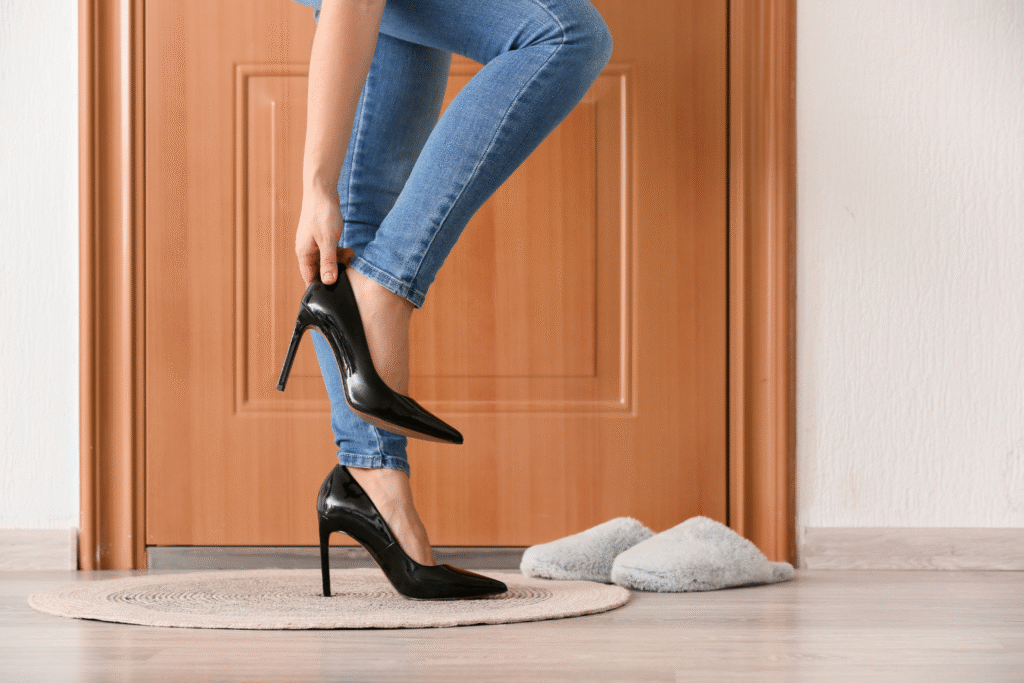
Heels held a default status for anything ‘dressy’—formal dinners, job interviews, even weddings. Flats, while comfortable, were dismissed as too casual or juvenile. This hierarchy has quietly eroded in public and personal spaces alike.
A pointed flat in patent leather feels just as polished under cropped trousers as a block heel. The sharpness comes from construction, not height. Sartorially, what elevates an outfit now is confidence and purpose—not inches.
11. Keep bold colors and prints for spring and summer months.
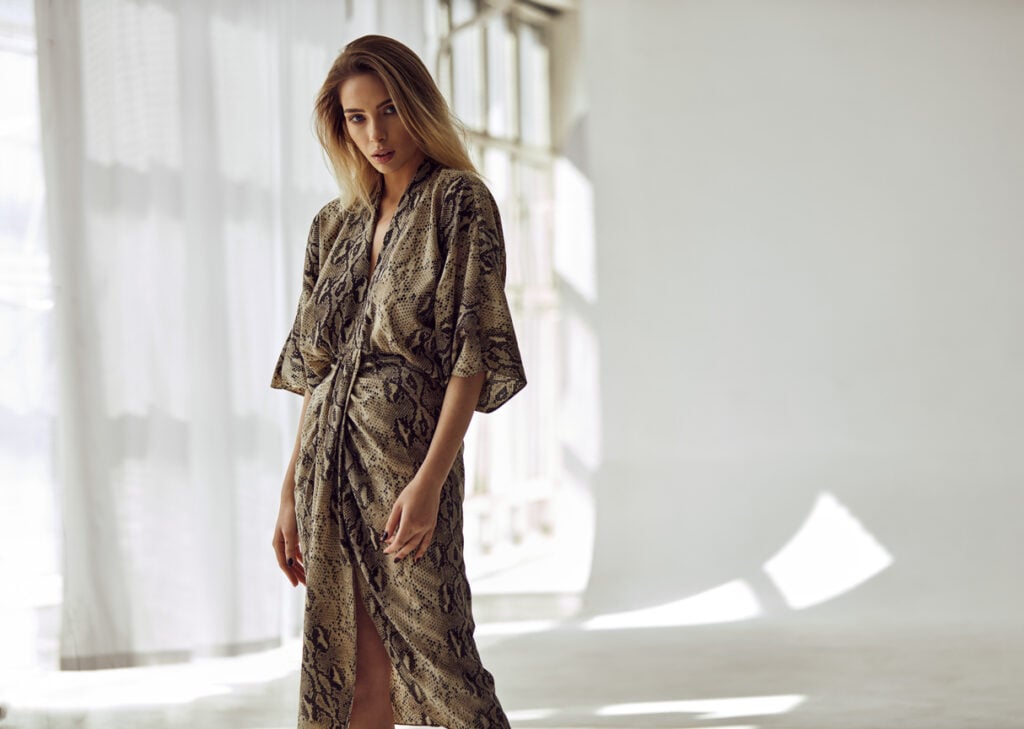
Bright prints and saturated colors once signaled warm-weather wardrobes pulled out after the thaw. Limits reflected fabric weight and mood more than rules. Lately, closets operate year-round, led by layering and weather, not season.
A lemon-yellow sweater over a long wool coat works in January without comment. Bright floral skirts can pair with ribbed tights and boots. Seasonally pigeonholing color no longer tracks with how people live or dress.
12. Avoid wearing open-toed shoes without a fresh pedicure.
Open-toed shoes once came with grooming expectations. Bare toes suggested maintenance, polish, and preparedness. Sloppy toenails drew side-eyes in offices or upscale restaurants—as if they disrespected the look. That pressure has eased with changing dress codes.
Now, texture and footwear choice matter more than polish sheen. A soft leather slide or peep-toe bootie looks purposeful without a salon finish. What completes a look depends more on fit and fabric than nail details.