
Americans aren’t just complaining—these everyday frustrations often stem from real systemic challenges

Across the country, people voice frustrations that go far beyond personal preference or momentary inconvenience. Many of these common complaints reflect deeper structural issues that affect millions, like rising costs, strained services, and limited access to rest or support. Far from nitpicking, these grievances offer a glimpse into how daily life in the U.S. can feel needlessly difficult. By digging into the causes, it becomes easier to understand where change might start.
1. Long wait times at the DMV that waste entire afternoons.
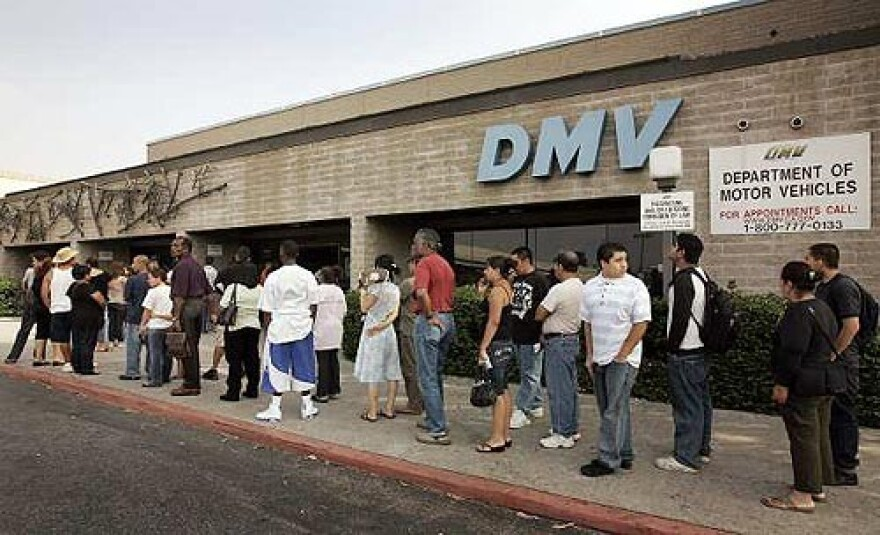
State DMV offices often operate with backlog issues—paperwork, staffing shortages, and outdated systems converge to stretch simple visits into multi-hour struggles. A license renewal or registration update shouldn’t require giving up a full day, but the process too often breaks down under its own weight.
Most people don’t have the flexibility to spend half a workday sitting in a molded plastic chair, number in hand, hoping their group is next. When public services run inefficiently, they strain schedules and test public trust, especially for those balancing jobs, childcare, or transportation limits.
2. Hidden fees on bills that seem to appear out of nowhere.

Service bills frequently arrive padded with obscure charges labeled as ‘processing,’ ‘maintenance,’ or ‘regulatory compliance.’ These aren’t optional add-ons but line items hidden in fine print, nudged in after the fact. While the base price may seem low, the final total climbs without warning.
That creeping cost creates frustration when budgets run tight and transparency is missing. It’s not unusual to see a $40 phone plan balloon to $59 once taxes and fees settle in. For households counting every dollar, that unannounced jump can mean cutting essentials elsewhere.
3. Lack of affordable child care options in most communities.

Child care often costs more than rent in many cities, a reality that forces families into hard choices. Small centers struggle with thin margins and licensing constraints, while demand outpaces available slots—especially for infants and toddlers—by wide margins.
Without accessible options nearby, parents may cobble together patchwork arrangements, rely on overburdened relatives, or leave jobs entirely. The mismatch leaves both families and caregivers trapped in an unsustainable cycle shaped by policy gaps, high overhead, and insufficient public support.
4. Customer service menus that make it hard to reach a person.

Automated menus serve one purpose: to route calls efficiently. But when a system loops endlessly without offering a human option—or hangs up after too many wrong entries—the caller ends up stuck, sometimes yelling into a receiver that no one’s listening to.
Frustration builds when you’re reporting fraud, rescheduling care, or resolving a complex billing issue that won’t fit neatly into a numbered list. While automation can streamline basic requests, a lack of live help tends to break trust between companies and customers.
5. Inconsistent cell service even in urban and suburban areas.

Even in large cities or near major roadways, cell service can dip into dead zones without warning. Coverage maps often promise blanket reliability, but hills, trees, outdated infrastructure, and overloaded towers can interrupt signals without notice or clear cause.
Dropped calls on a sidewalk, glitching maps during a rideshare, or failed texts to a babysitter all carry real consequences. When connectivity feels like a modern requirement, patchy service isn’t just inconvenient—it undercuts work, relationships, and daily coordination.
6. Poor airline communication during delays and cancellations.

Airline updates during weather events or maintenance delays can be vague, infrequent, or contradictory. Announcements echo across boarding areas with few details, while gate agents juggle changing manifests and anxious travelers all asking the same question: what now?
When information flows slowly or not at all, tension rises—especially when flights slide from one-hour delays to overnight groundings. Transparent communication, even of bad news, helps travelers adjust expectations and make plans based on real-time facts instead of long silences over crackling loudspeakers.
7. Limited vacation time compared to other developed countries.

U.S. workers typically receive fewer paid vacation days than peers in other high-income nations, both by policy and workplace culture. A full week off might require months of notice or be subtly discouraged during busy seasons, limiting how rest fits into the calendar.
Many feel pressure to check emails while technically ‘off’ or worry about falling behind during absences. That cultivates burnout, particularly in fields where long hours already stretch thin. Even short trips may feel indulgent rather than restorative.
8. Rising grocery prices without matching quality or portion size.

A bag of tortilla chips may look the same, but inside? Air pockets stretch inside a shrinking quantity, often with a price tag that climbed noticeably in the last year. Shrinkflation and inflation travel together, reshaping how far grocery dollars can reach.
Consumers aren’t imagining the change—it plays out in quieter ways: thinner crackers, smaller yogurt containers, fewer paper towels per roll. The math rarely favors the shopper, especially as wages lag behind persistent food cost hikes.
9. Few protections for renters facing unpredictable rent hikes.

Unlike homeowners, many renters face lease renewals with sharp, unexpected increases. In many areas, rent caps or notice periods offer little consistency, and protections vary widely—even from town to town. A stable apartment today could become unaffordable next quarter.
When tenants can’t plan or negotiate ahead, moving becomes their only option, often at high cost or great stress. Families get uprooted mid-school year; older adults scramble for alternatives. The lack of safeguards leaves renters vulnerable to market whiplash.
10. Complex return policies that make refunds difficult to secure.

Retailers sometimes complicate returns with narrow windows, restocking fees, or demands for original packaging and receipts—details not always clear at purchase. Even items that arrive damaged may require extra steps to prove the issue, adding friction to already stressed situations.
When policies shift without notice or only apply online, buyers can feel penalized for routine changes of mind. The hassle multiplies when returns must be mailed or when customer service provides conflicting guidance. Flexibility, once common, now feels conditional.
11. Slow road repairs that drag on for months without resolution.

Construction zones often sprout with signs and cones, but no team in sight. Weeks pass, lanes close, and traffic reroutes, but visible progress crawls. Bad weather and budget issues can stall repairs, yet prolonged delays erode patience—and also public safety.
Cars bottom out over exposed steel plates; pedestrians tiptoe past jackhammer rubble. When incomplete work remains untouched for days, people notice. Long-term fixes need time, but unexplained pauses signal a lack of coordination more than just complex engineering logistics.
12. Lack of public seating in walkable areas and city centers.
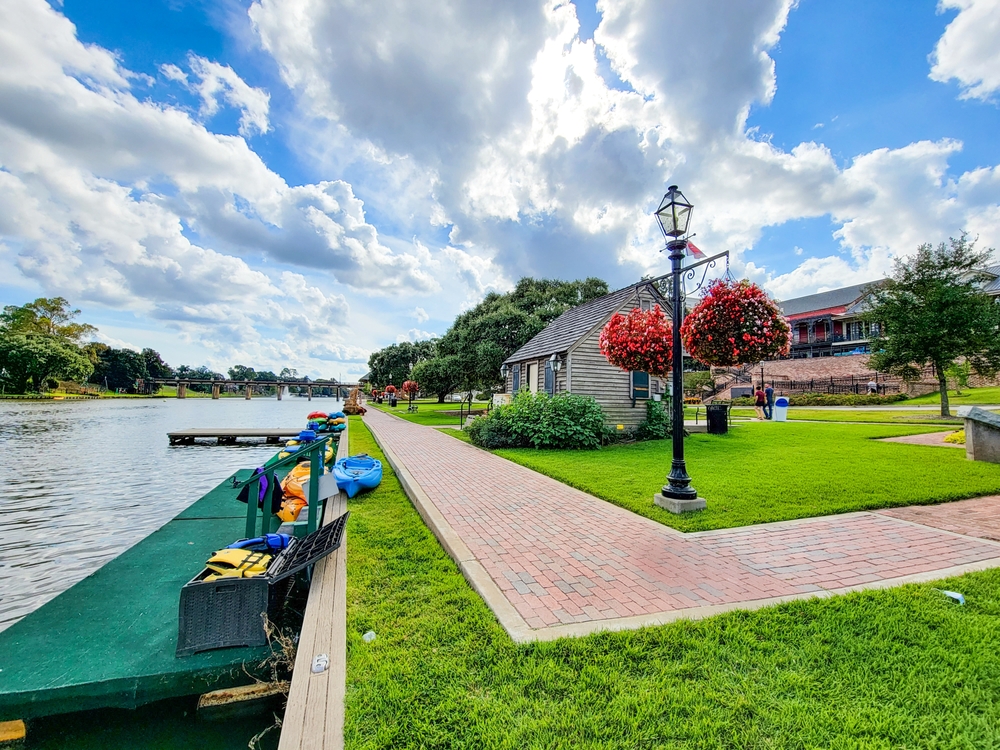
Cities tout walkability, but benches often disappear under the pressure of ‘loitering’ concerns or design trends favoring minimalism. Parking lots get painted and resurfaced, but long stretches of sidewalk stay bare, with no rest spots between bus stops or shops.
The absence affects everyone, from seniors needing a break during errands to mail carriers and parents pushing strollers. Even ten minutes without a place to sit can turn a manageable walk into an ordeal. A simple bench transforms space into community.