
Catchy commercial tunes have long outlasted their campaigns by weaving into pop culture memory.
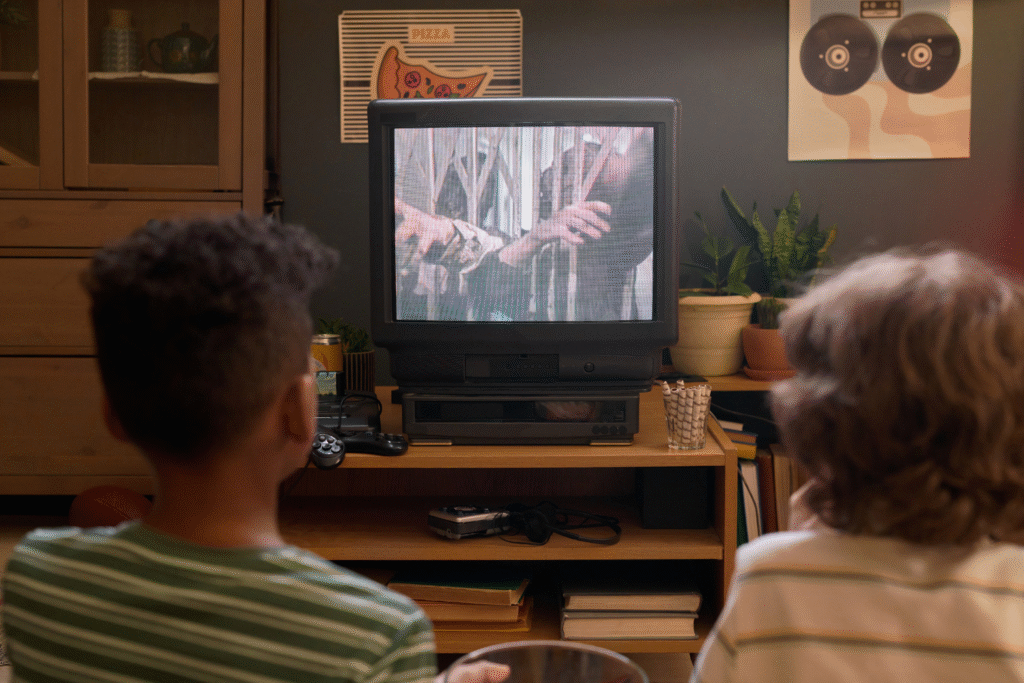
TV jingles don’t just sell products, they shape how we remember them. Whether it’s a punchy phrase sung over a jingle on morning television or a melody half-hummed in the grocery aisle, these musical snippets often linger for decades. Their power lies in simplicity, repetition, and emotional cues that outlive any single ad campaign. These familiar tunes still hum in many minds, long after their products have changed or even disappeared entirely.
1. The catchy ‘I’m Lovin’ It’ jingle from McDonald’s still rings clear.
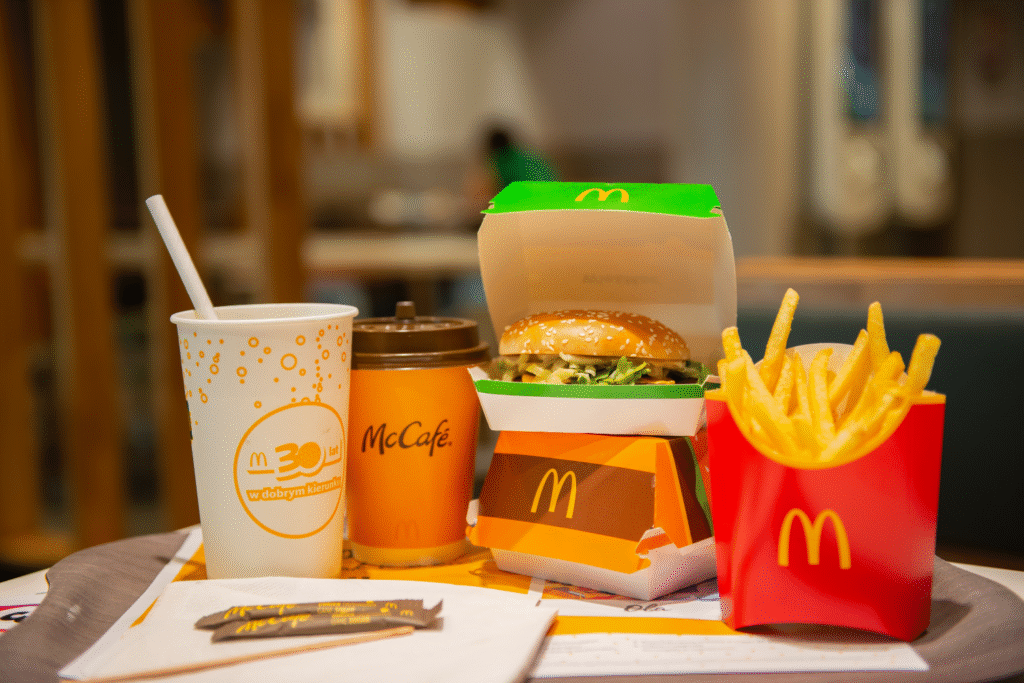
Built around a major key melody and five buoyant syllables, the ‘I’m Lovin’ It’ jingle lands quickly and lingers long after the commercial ends. Released with a global campaign, it gives McDonald’s a sonic signature people recognize before the logo even appears.
Its simplicity mirrors how many people talk in short, rhythmic, and upbeat patterns, making it feel conversational. In a food court or over a car radio, the familiar cadence can surface suddenly, like a warm fry pulled from a paper sleeve.
2. You can probably still sing every word of the Folgers coffee tune.
Crooning ‘The best part of waking up is Folgers in your cup’ blends melody with message, embedding the product right in the listener’s morning routine. Sung by full-voiced vocalists, the tune mimicked themes from sentimental ballads and soap opera scores.
Even today, some wake up with that jingle in mind before the coffee brews. It’s unintentionally ambient—available through memory alone, tugging gently at a listener’s sleepy brain like the smell of ground beans wafting down a hallway.
3. The Kit Kat ‘Give Me a Break’ jingle lives rent-free in minds.
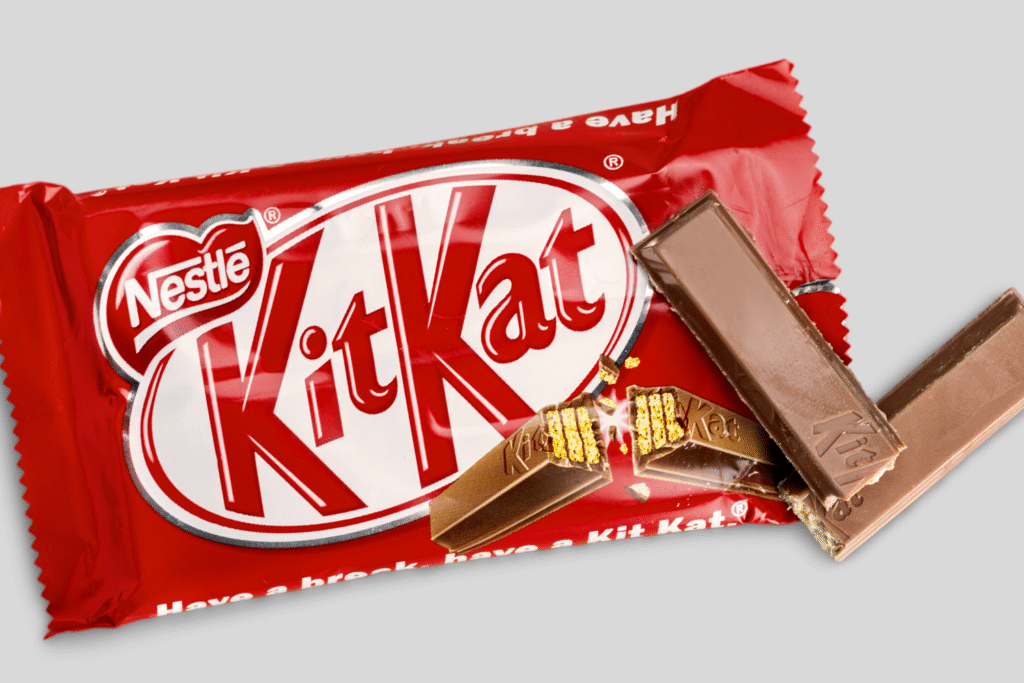
The Kit Kat jingle’s syncopated claps and chant-like repetition carved it into pop culture more than any packaging shift ever could. Its central line, ‘Give me a break,’ doubled as a cultural catchphrase in classrooms, offices, and corner-store checkout lines.
Because the melody links so tightly to those words, saying the phrase often triggers the tune. The connection feels musical and mental, like snapping fingers along with a friend’s inside joke layered in song.
4. The playful rhythm of the Meow Mix song is hard to forget.
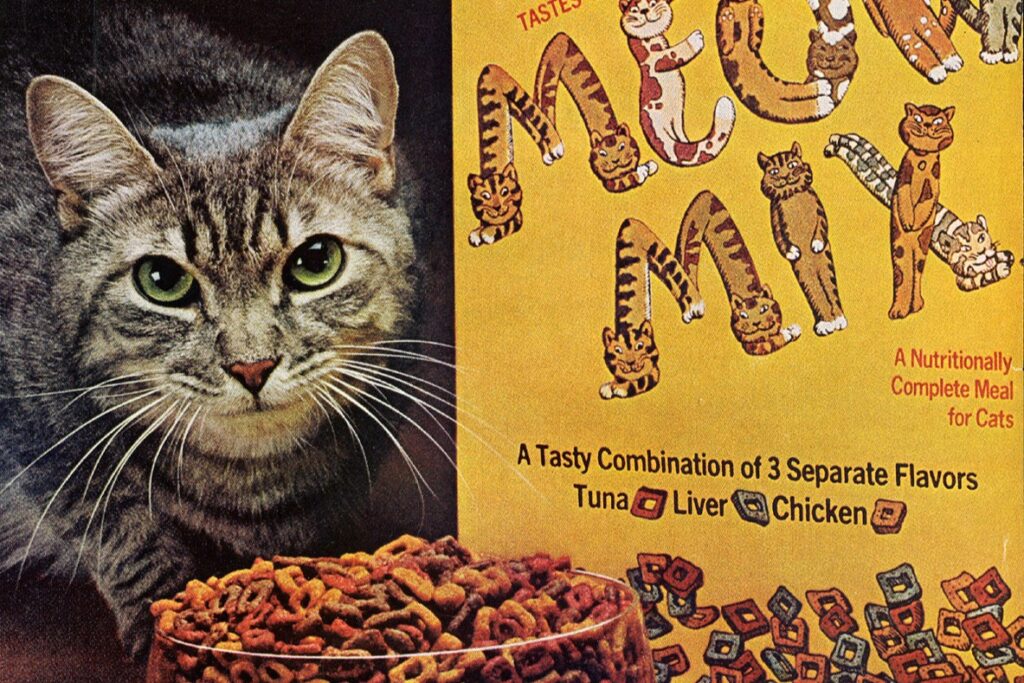
Originally sung by a chorus of cats meowing the brand name to a chirpy tune, the Meow Mix jingle dodged lyrics entirely. That departure made it stand out. Only feline sounds and a rolling piano matched to pet food visuals on a looping screen.
Parents heard it often enough to hum along without intent, while kids mimicked the meows on loop. In households with plastic food bins and tabby silhouettes, the tune became part of the background, as persistent as a hungry cat at 6 a.m.
5. Band-Aid’s ‘stuck on me’ jingle made first aid oddly memorable.

Launched with kids in bandages singing ‘I am stuck on Band-Aid brand,’ the jingle framed first aid with reassurance and rhythm. Songwriter Barry Manilow shaped its bouncy tempo to feel more like a game than a medical product pitch.
That warmth softened the event it accompanied—small injuries—and made a crinkly wrapper feel friendlier. Even before children could read the box, they knew what it did just by singing along with marching vocals on TV.
6. Oscar Mayer’s classic bologna song spelled out childhood lunches effortlessly.
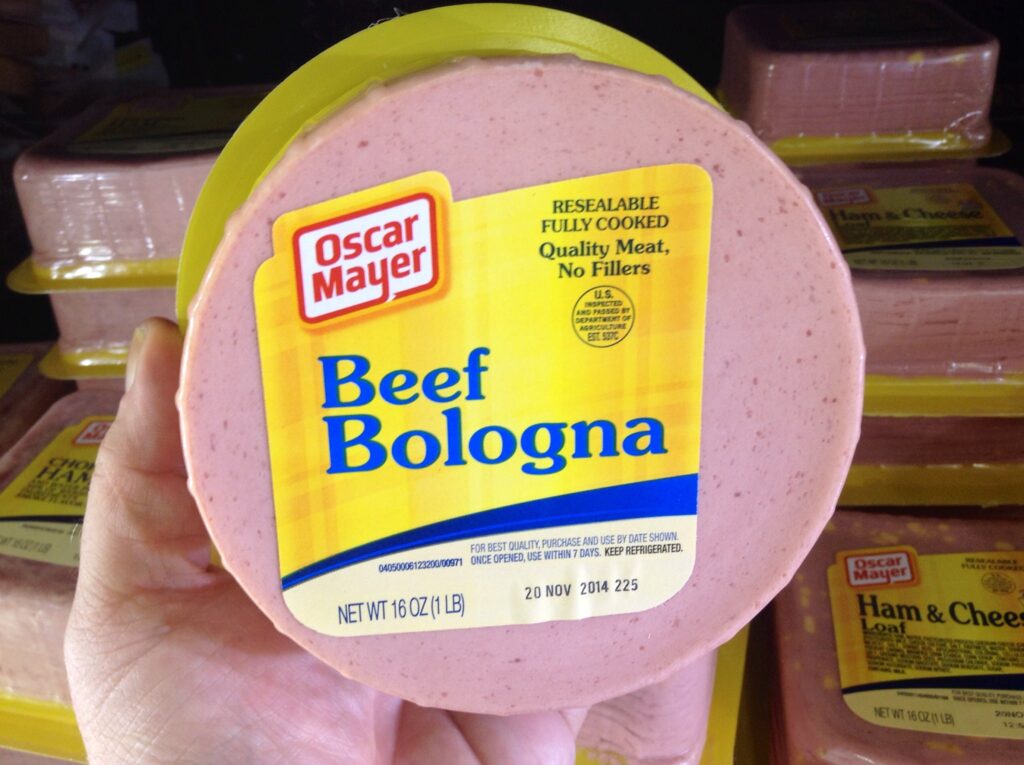
Debuting with a slow drawl and sing-song rhythm, the Oscar Mayer bologna theme didn’t just sell lunch meat—it delivered spelling practice in unexpected musical form. Kids belted ‘O-S-C-A-R’ with playground conviction, linking food with accomplishment.
For many, it marked their first experience of brand loyalty, earned not through taste tests but shared performance. Singing it right could feel like a success, even if the sandwich got soggy before lunch hour ended.
7. Alka-Seltzer’s bubbly ‘Plop Plop Fizz Fizz’ jingle remains oddly satisfying.

Alka-Seltzer’s jingle broke from soothing pharmaceutical tones to chase memorability through rhythm: ‘Plop plop, fizz fizz’ became auditory shorthand for relief. Those words mimic the product’s reaction in water, offering sound as both branding and demonstration.
That onomatopoeia stuck around even after the formatting of commercials changed. In kitchens echoing with clinks and cabinet doors, a fizzy tablet drop might still prompt someone to mutter the phrase without thinking twice.
8. The Chili’s ‘Baby Back Ribs’ tune stayed smoky-sweet and unforgettable.
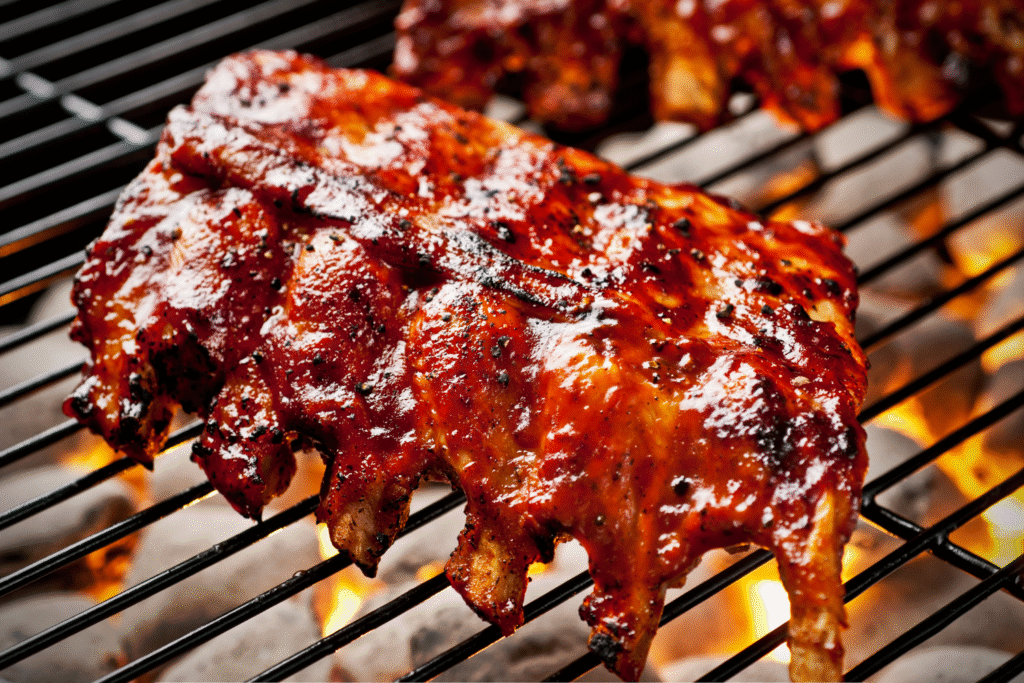
The Chili’s ‘Baby Back Ribs’ jingle delivered barbecue flavor through rich vocal harmony and a lingering low note on ‘ribs.’ Rather than describe the dish, it dipped into desire, stretching the word to full hunger-inducing effect.
Long after the original campaign ended, parodies and shout-outs kept it on-air and online. Its success tapped into something primal—hunger cued by tune alone, like the scent trail from a grill drifting across a parking lot.
9. State Farm’s simple ‘Like a good neighbor’ jingle stuck around.
State Farm’s enduring jingle, ‘Like a good neighbor, State Farm is there,’ earned its place by pairing trust-driven language with a major chord resolve. The jingle feels less like a pitch and more like a quiet promise sung under steady breath.
Its constancy across decades helped it function like a familiar face in unfamiliar moments. A phone call after a fender bender or burst pipe often echoed the line before the agent even picked up.
10. Huggies’ joyful ‘I’m a big kid now’ jingle marked growing up.
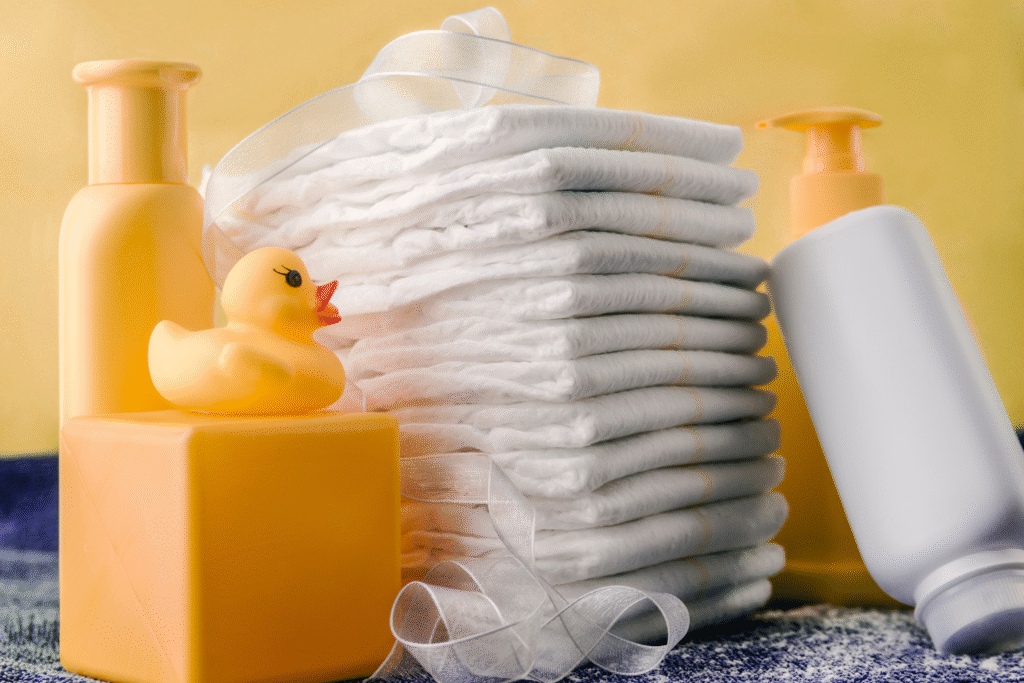
The phrase ‘I’m a big kid now’ set to jaunty music captured a child’s transformation into independence—with Pull-Ups as the spark. That tune didn’t just narrate a milestone; it made the moment part of a growing-up soundtrack with playground-friendly optimism.
In bathrooms across suburbia and tiny apartments alike, the song scored more than one potty-training victory. The melody gave toddler confidence a lift, sounding off like a personal anthem after every small success.
11. The Toys ‘R’ Us theme still stirs nostalgic magic for many.
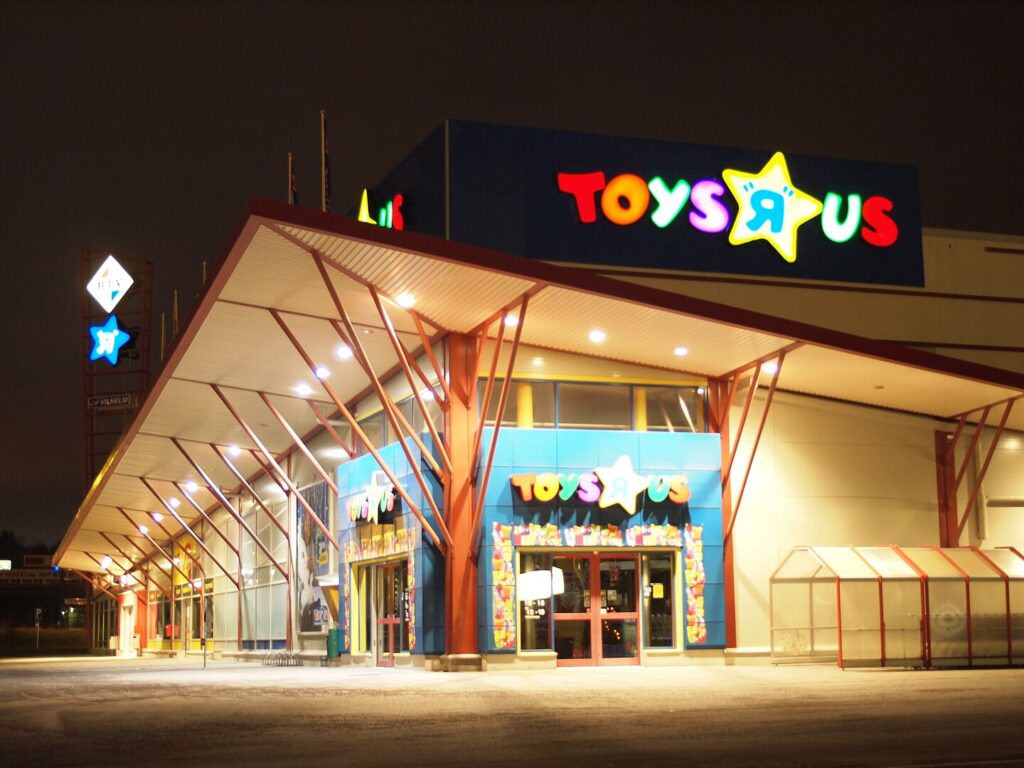
Created to project joy and energy, the Toys ‘R’ Us jingle began with a chord progression that mirrored youthful bounce. The line ‘I don’t want to grow up’ bundled what the store promised: escape into color, play, and aisle after aisle of options.
Even adults today recall it with bittersweet affection. The melody curls up like wrapping paper in a crowded closet, releasing memory-scents of plastic packaging and blinking overhead lights the moment it’s unwrapped in thought.