
Boomer men are rethinking old marital roles and redefining what partnership looks like today

Long seen as the foundation of marriage, traditional husband duties are getting a second look from many in the Boomer generation. Rather than sticking to roles shaped by past expectations, some Boomers are choosing dynamics that reflect modern values and mutual respect. From financial decisions to emotional communication, these men are quietly rejecting outdated templates and opting for marriages built on shared responsibility and evolving definitions of masculinity.
1. Handling all home repairs without question or professional help.
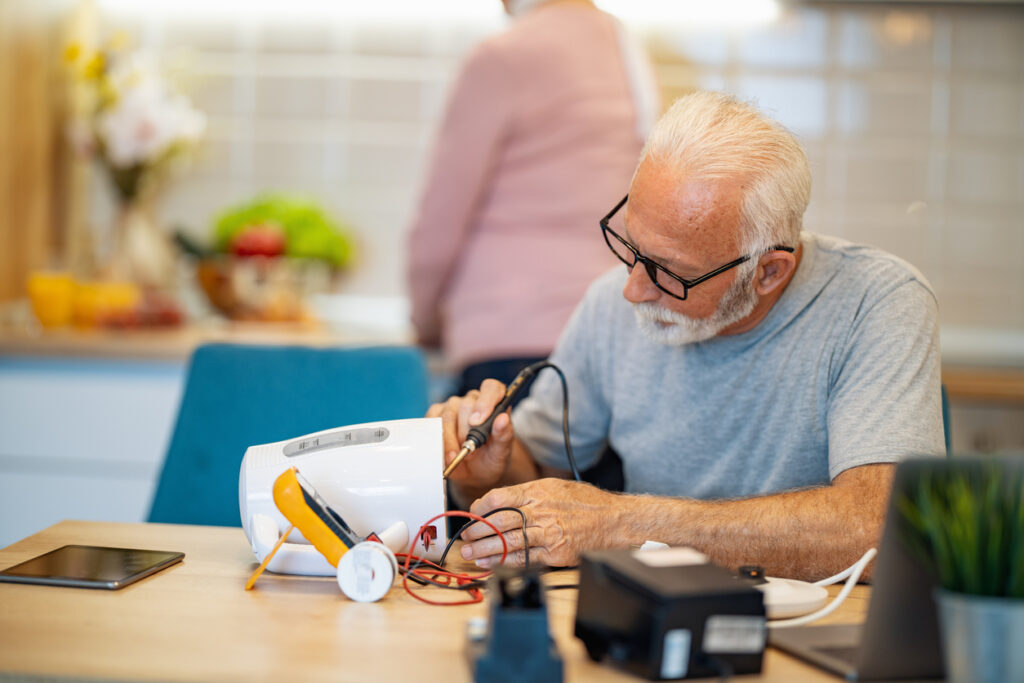
Older norms often assigned men automatic responsibility for every leaky faucet or faulty outlet, whether or not they had the skill—or desire—to fix it. Tools in the garage became symbols of silent duty rather than shared interest or ability.
Plenty of modern Boomer men now call a plumber, read online reviews, or defer to a more experienced partner. Rather than stoicism, they prioritize safety and results. A flickering hallway light doesn’t need to prove anything about masculinity or competence.
2. Being the sole provider while their partner stays at home.

The image of the husband as primary breadwinner—working while a partner maintains the home—held strong for much of the 20th century. That expectation shaped budgets, job choices, even marriages, with emotional weight tucked behind a paycheck.
Many Boomer men are setting down that burden as dual-income households become common and retirement opens new options. Some support a partner’s career fully or rely on shared income streams, such as pensions or part-time passion work at a local art co-op or bookstore.
3. Always driving during family trips and outings.

Driving the family car used to signal control and reliability, especially for men raised before seatbelts were standard. Keys in hand, the husband behind the wheel wasn’t just driving—he was leading, directing, enduring the long haul.
Today, many Boomer couples switch drivers based on energy, eyesight, or mood. A winding road trip through state parks might now start with the wife behind the wheel while he reads aloud from the travel guide and navigates snacks in the passenger seat.
4. Making major financial decisions without partner input.

Decision-making around big purchases—cars, mortgages, retirement plans—was once seen as a husband’s responsibility, even in so-called equal marriages. Financial authority often came bundled with silence and minimal discussion.
That mold is cracking. Boomer men now often choose transparency and collaboration, especially when facing shared futures. A couple might weigh the cost of solar panels together on a quiet Sunday morning over coffee, spreadsheets open and mutual priorities aired.
5. Taking charge of grilling or outdoor cooking at every gathering.
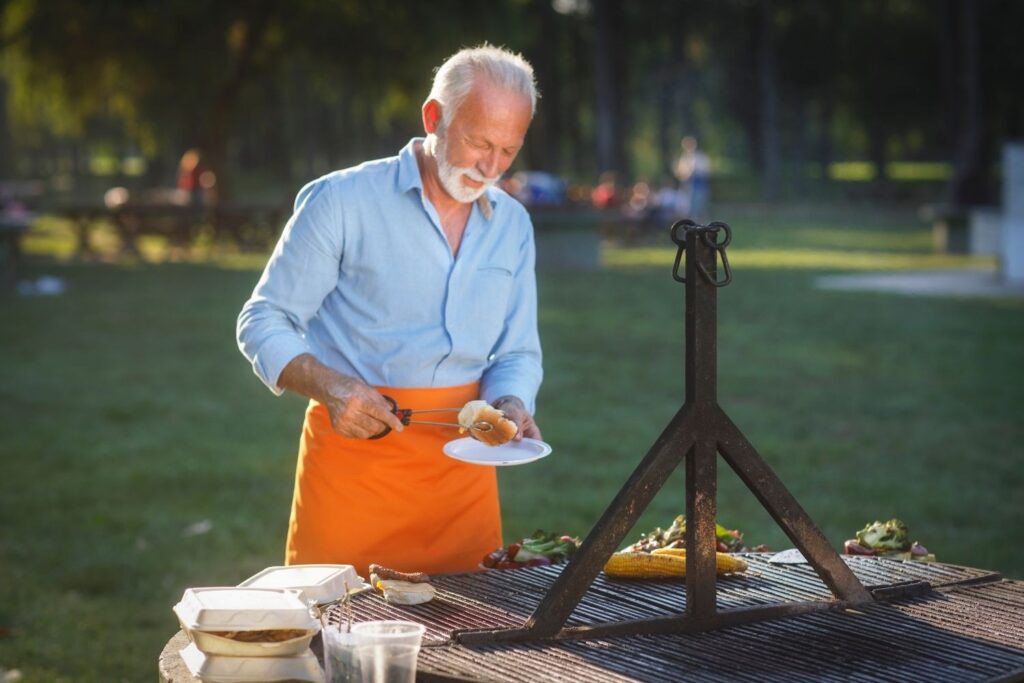
Grill duty long stood as a performance of masculine care, all char marks and apron slogans. Outdoor cooking, especially during summer gatherings, was sometimes the only kitchen territory men were expected—or allowed—to occupy.
Some Boomer men are stepping away from the apron. They alternate grill time with others, try new recipes inside, or sit with grandchildren instead of sweating over burgers by the propane tank. The gathering remains social, just less scripted.
6. Taking out the trash as their default household chore.
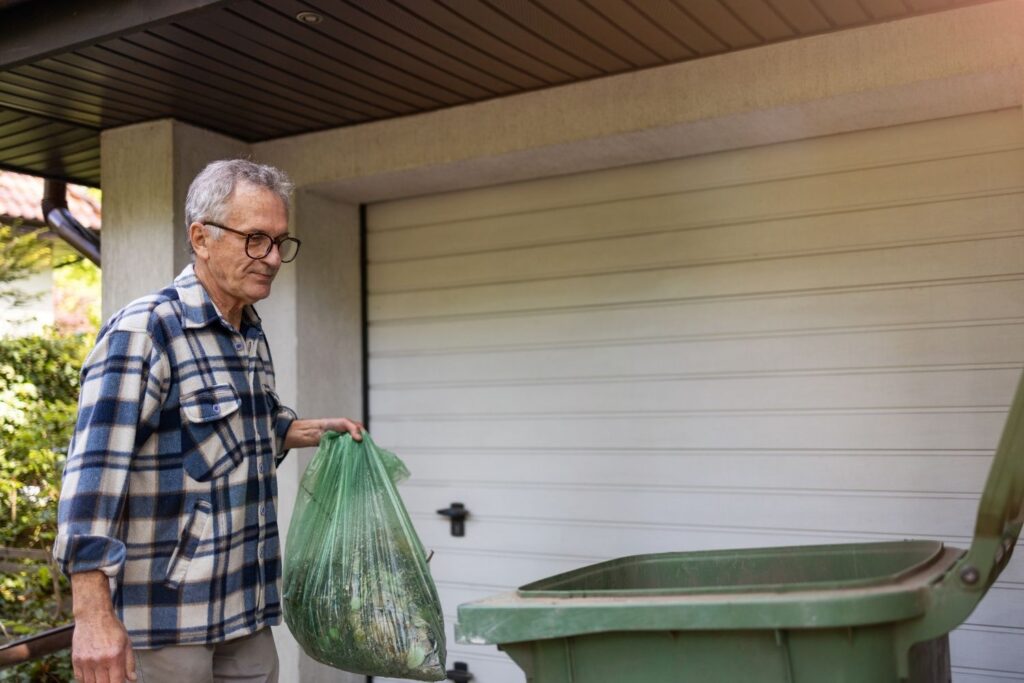
Hauling the trash to the curb became one of those near-invisible tasks husbands inherited without question. Weekly pickups seemed simple but cued a subtle routine tied to masculine labor.
Now, division of chores often flexes based on schedules, mobility, or broader household fairness. A Boomer man recovering from knee surgery may swap his usual trash duty for organizing the garage or folding laundry while seated at the kitchen table.
7. Fixing anything broken regardless of experience or interest.
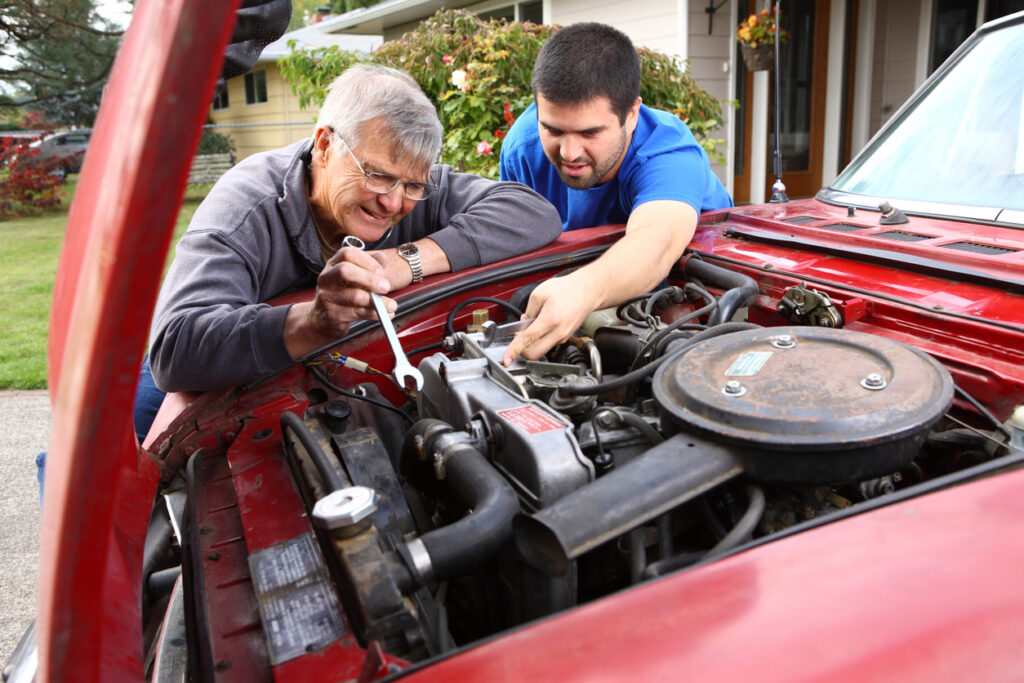
Fix-it expectations assumed competence regardless of time, knowledge, or tools. From wiring ceiling fans to repairing toilets, husbands were told to just figure it out, whether or not they ever wanted to.
Many now push back. Instead of risking safety or endless frustration, Boomer men recognize that calling an expert doesn’t diminish autonomy. A loose stair rail becomes a team decision—not an unspoken, solo obligation with a rusted tool set and a guess.
8. Managing yard work while their partner handles inside chores.

Outside equals male chores, inside equals female ones—that neatly boxed view once shaped suburban division of labor. Yard care, from hedge trimming to leaf raking, often fell on husbands by default.
Today, many Boomer couples choose based on preference, not boundaries. A man may cook dinner while his partner rides the mower or both might hire neighborhood teens and spend Sundays in a shared sunroom instead of behind a leaf blower.
9. Leading every family discussion or final decision by default.

In family debates or future plans, husbands were historically expected to have the final say. Authority often masqueraded as protection, leaving little room for nuance or partnership.
Modern Boomer men are disrupting that pattern. Instead of presiding over choices like a chairperson, some engage in quieter roles—listening, offering context, or yielding space. A family vacation plan might now emerge from a group text and laughter—not a top-down decree.
10. Assembling furniture and house projects without asking for help.
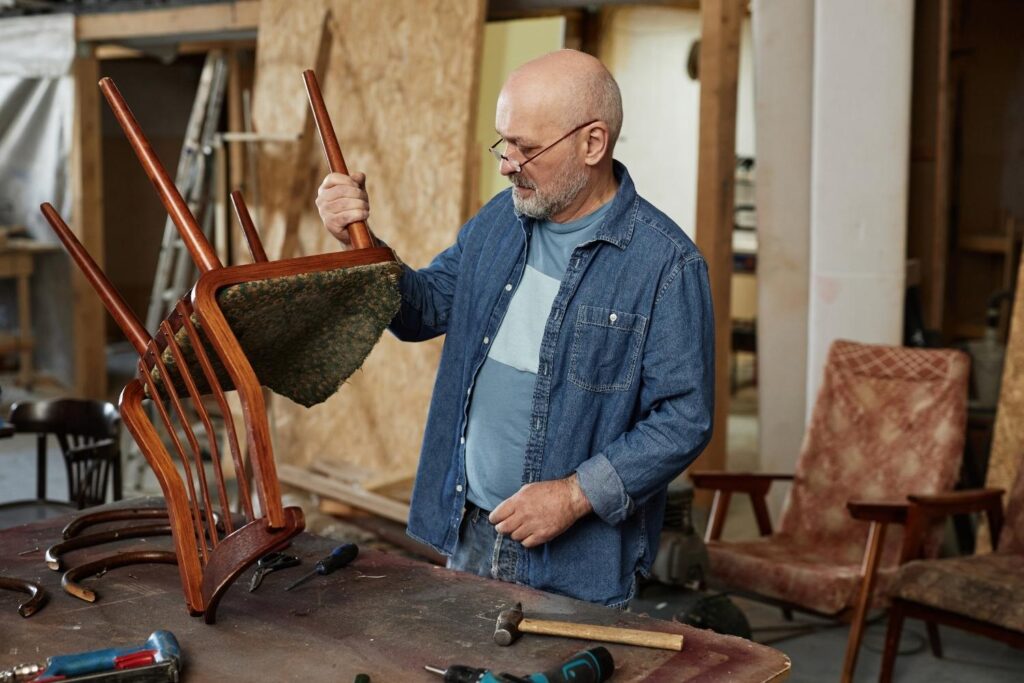
Manual tasks like building shelves or mounting televisions were often parked under the umbrella of husband territory. Hardware meant masculinity, regardless of learning curve or living situation.
Some men approaching or in retirement now value comfort and joint effort over macho performance. A Boomer husband might open the flat-pack box with his partner beside him, both examining diagrams while sipping tea, laughing over mismatched screws and mismatched expectations alike.
11. Avoiding emotional conversations or leaving them to their partner.

Emotional labor—checking in, resolving tension, naming feelings—often fell to women in traditional unions. Men, especially husbands, were praised for stoicism and discouraged from softness.
That silence is fading. Many Boomer men now talk about stress, seek therapy, or embrace vulnerability. A walk around the block after an argument may include apology, reflection, even hand-holding, where once it meant nothing but distance and tight-jawed silence.