
Classic scents from crayons to fresh-cut grass trigger vivid memories and deep emotional ties

Scents are among the most powerful memory triggers, often transporting us instantly to another time. For baby boomers, certain smells weave directly into the fabric of childhood—from the plasticky aroma of new toys to the smoky trace of burning leaves. These familiar fragrances don’t just recall objects or places but evoke entire moods, rituals, and relationships. Exploring these nostalgic scents helps capture what made growing up during the postwar decades a uniquely sensory experience.
1. The earthy aroma of fresh-cut grass on summer mornings.
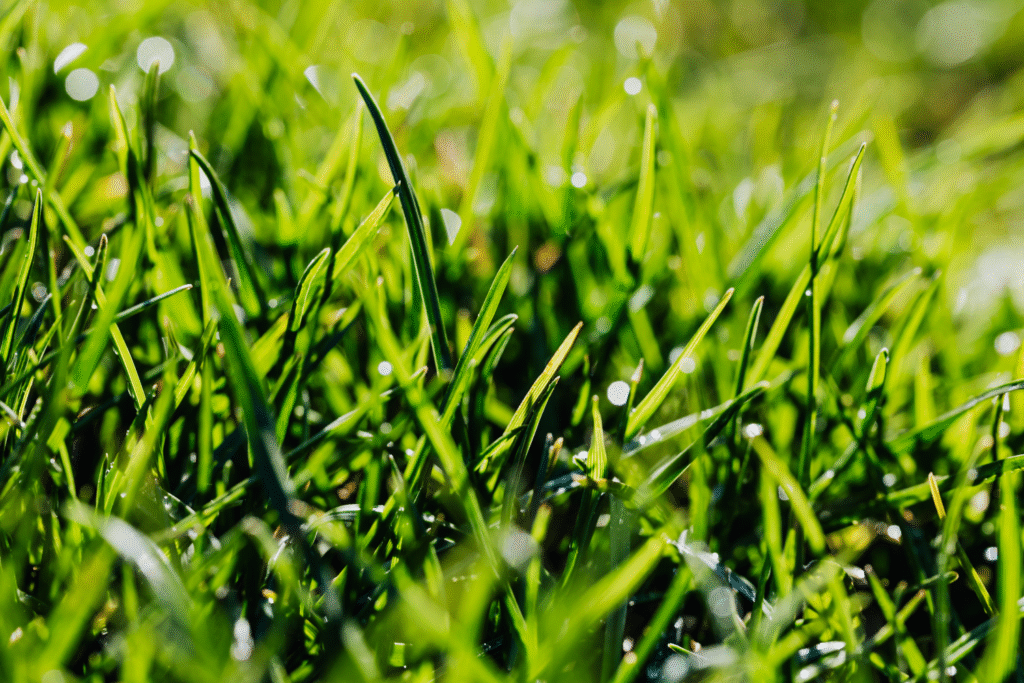
Cut grass releases a compound called cis-3-hexenal, which gives off the unmistakable smell of a summer yard just mowed. That sharp green scent clings to sneakers, clippers, and the humid air, creating a sensory postcard from a time before riding mowers took over.
Back then, the ritual often meant a parent in work pants or a teen earning allowance circling a sunlit lawn. The scent still stirs a response in many who associate it with buzzing cicadas, chain-link fences, and a slower start to the day.
2. The warm scent of toast popping up from the kitchen.

Toast has a chemical signature built from the Maillard reaction, where heat rearranges sugars and proteins to create depth and aroma. The scent rises fast—warm, a little nutty—as slices brown and levers click loudly in small kitchens with vinyl chairs.
For many boomers, those whiffs meant cartoons humming quietly in the background while someone buttered breakfast. Toast wasn’t fancy or fussy, just familiar—a simple marker of home and the start of something routine.
3. The clean, slightly sweet smell of freshly ironed clothes.
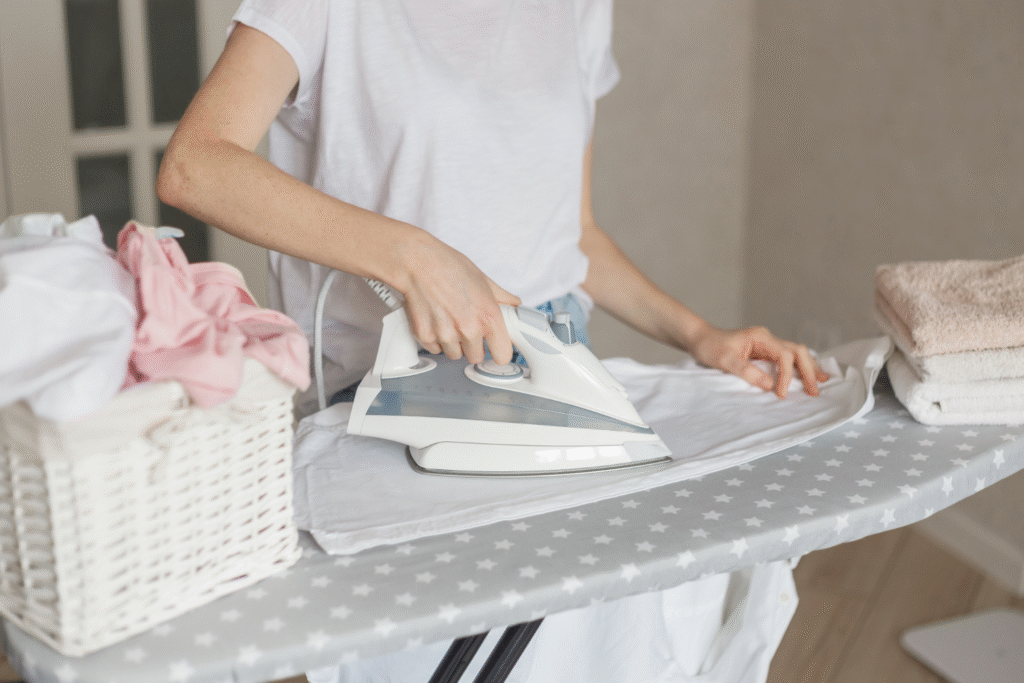
Freshly ironed clothes smell faintly floral with a trace of warm cotton, a result of steam interacting with fabrics and leftover detergent. The scent came from muslin pillowcases, white undershirts, and those heavy chrome irons with cloth-wrapped cords.
In homes where ironing boards stayed out all week, that smell lingered in hallways and closets. It signaled preparation—the tucked-in neatness expected at school, church, or dinner tables with placemats and milk glasses.
4. The distinct mix of crayons and pencil shavings in classrooms.
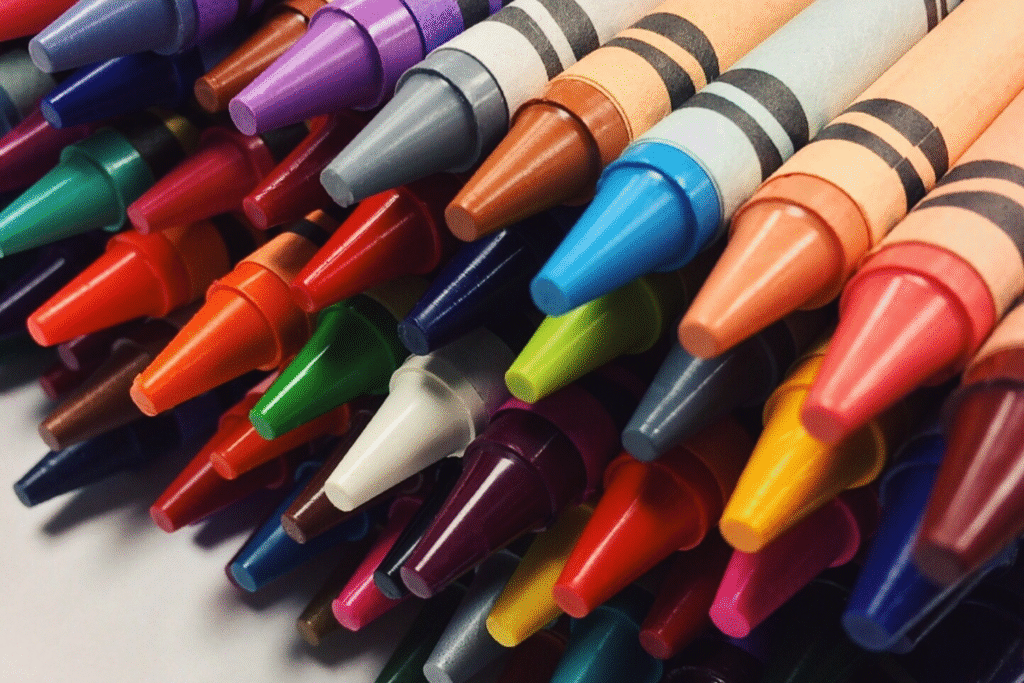
Crayons release wax esters that carry their signature scent, often mixed with the woody dust of pencil shavings. Inside classrooms, that blend clung to desks, cubbies, and paper chart stands trimmed with scalloped edges.
The aroma marked afternoons of spelling tests and paste projects, sometimes with chalk dust caught in cuffs. For many students of the postwar era, this smell looped into a rhythm of learning—predictable, compassionate, and a little chaotic.
5. The comforting smell of talcum powder during bedtime routines.
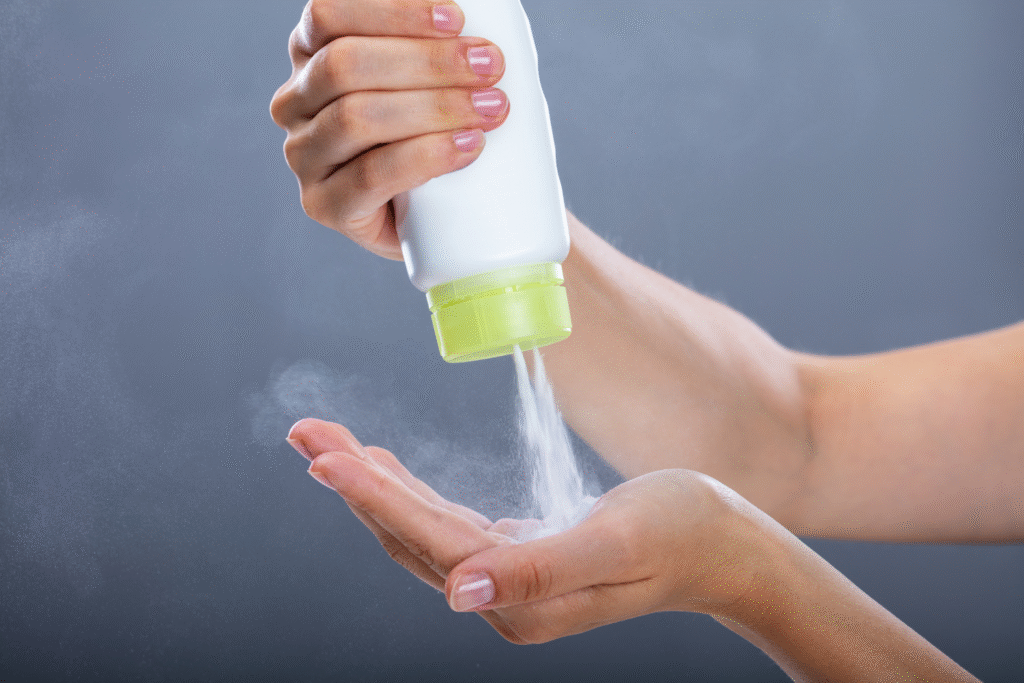
Talcum powder, soft and floral with a hint of starch, was a staple on many bedroom dressers. Applied before pajamas or tucked into cloth diapers, it left a silky dust on fingers and the faintest trace on pillowcases.
That smell often meant care—a parent’s presence in a quiet house, framed by the rustle of bedsheets and the hushed click of lamps. It softened nights and soothed scrapes, folding scent into comfort over years of bedtime ritual.
6. The scent of vinyl and cardboard from brand-new toys.
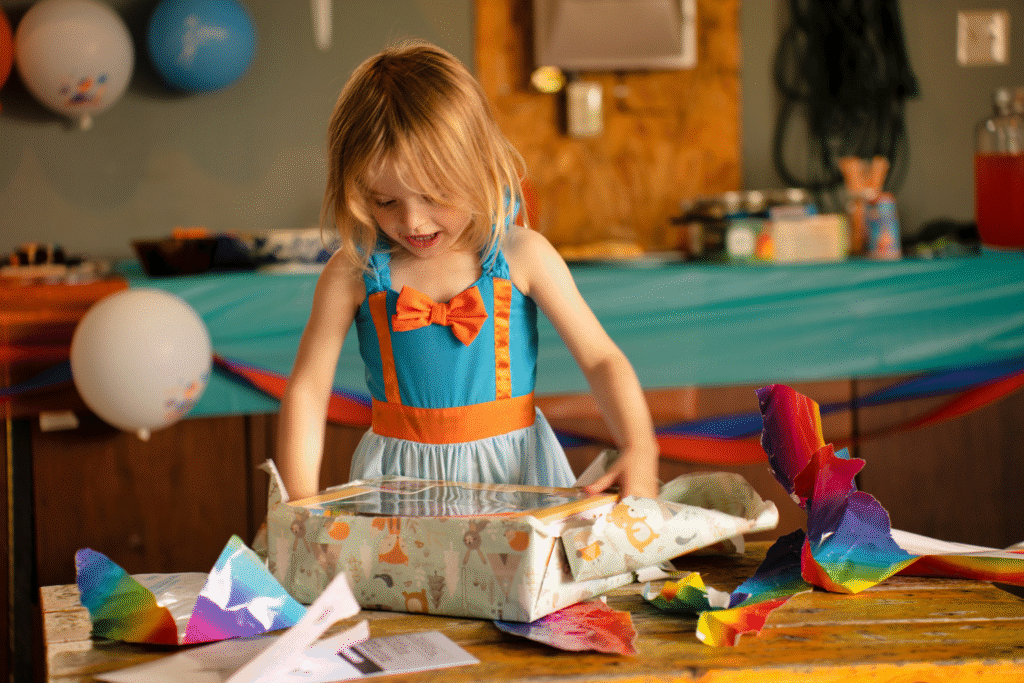
Vinyl has a sharp, plasticky scent that develops as volatile compounds off-gas from fresh toys. Mixed with the dry, papery smell of cardboard packaging, it defined the excitement of unboxing new things—from action figures to building sets.
That combination stuck in the air as small fingers peeled back twist ties on a living room rug or kitchen linoleum. The aroma meant novelty, surprise—sometimes accompanied by a stiff instruction sheet and clattering plastic on hardwood.
7. The sugary cloud of cotton candy at county fairs and carnivals.
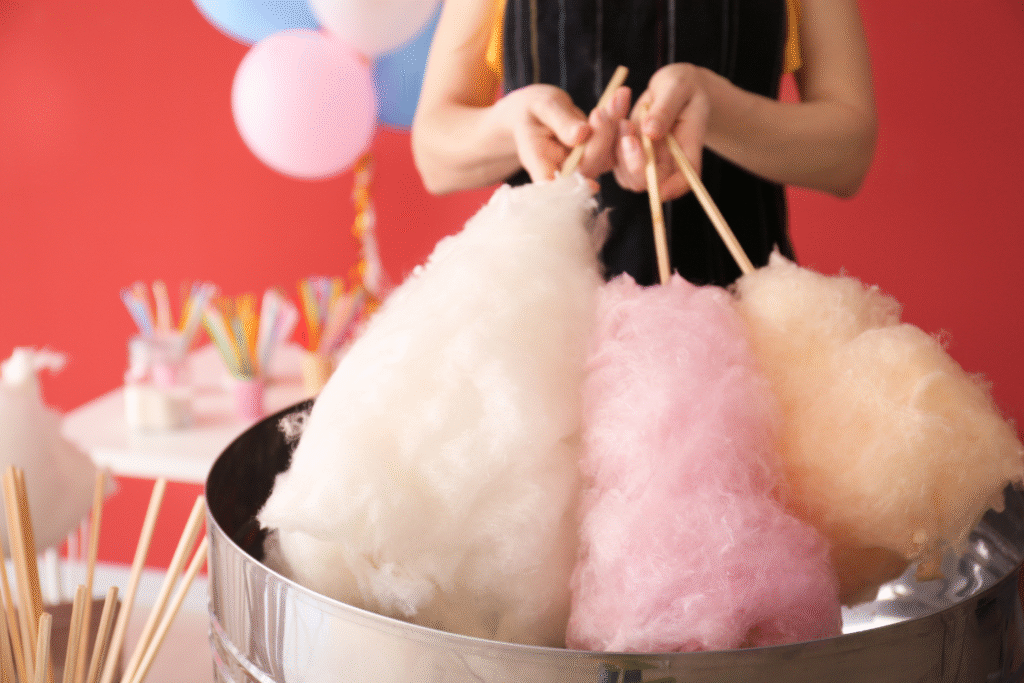
Spun sugar crystallizes while heated, releasing a buttery-sweet vapor that curls into the air above carnival booths. The cotton candy smell lingers longer than the floss itself, often mixing with pink food dye and paper cone fibers.
For those who visited county fairs in saddle shoes or hand-me-down jeans, that scent marked freedom from routine. It floated near Ferris wheels and prize booths, where the air was sticky and loud and full of bright possibility.
8. The smoky tang of leaves burning in distant backyard piles.
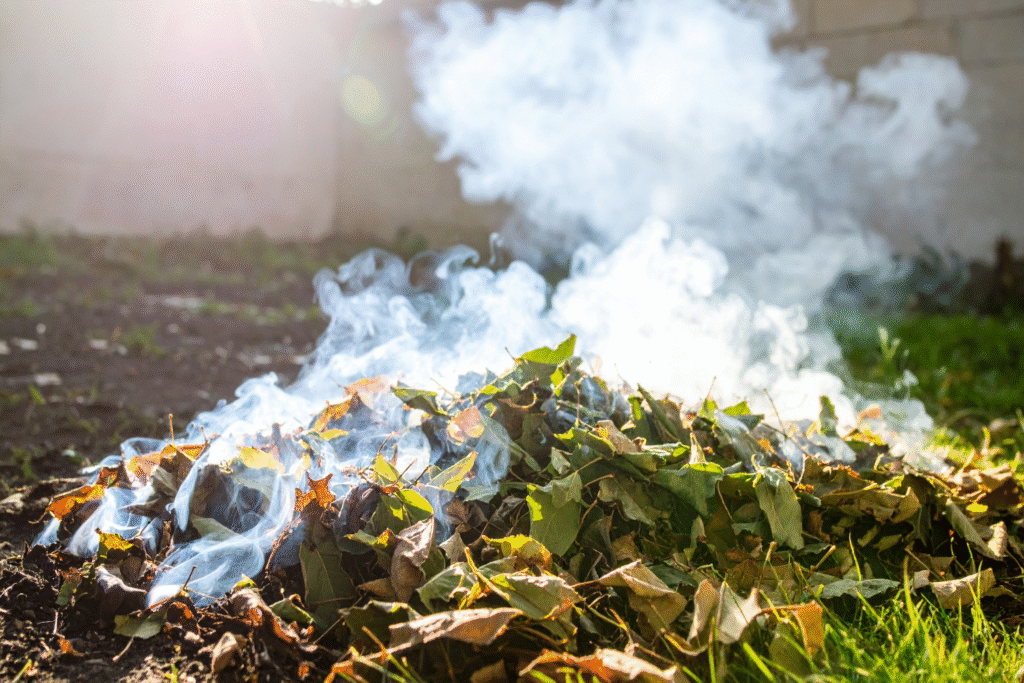
Burning leaves emit a dense, smoky aroma as lignin compounds in dry branches break down. The scent, edged with a hint of acrid decay, rolls over neighborhoods in low, grey plumes from barrel fires and curbside piles.
Backyards once exploded with this autumn ritual long before regulations shifted. Kids raked and leapt while parents tended slow fires. The smell meant cool air, wool jackets, and days that got darker just as playtime hit its stride.
9. The nostalgic blend of soap and shampoo from gym locker rooms.

Soap and shampoo in locker rooms created a mix of citrus, pine, and something faintly medicinal. Together, they rose above the echo of tile walls, metal lockers, and the squeak of rubber soles.
For generations in school gyms and YMCAs, that smell marked routine—before laps, after communal showers, or during the nervous wait for a team selection. It mingled with sweat and steam, built into identity alongside cotton jerseys and tattered gym bags.
10. The buttery, salty scent wafting from movie theater popcorn.
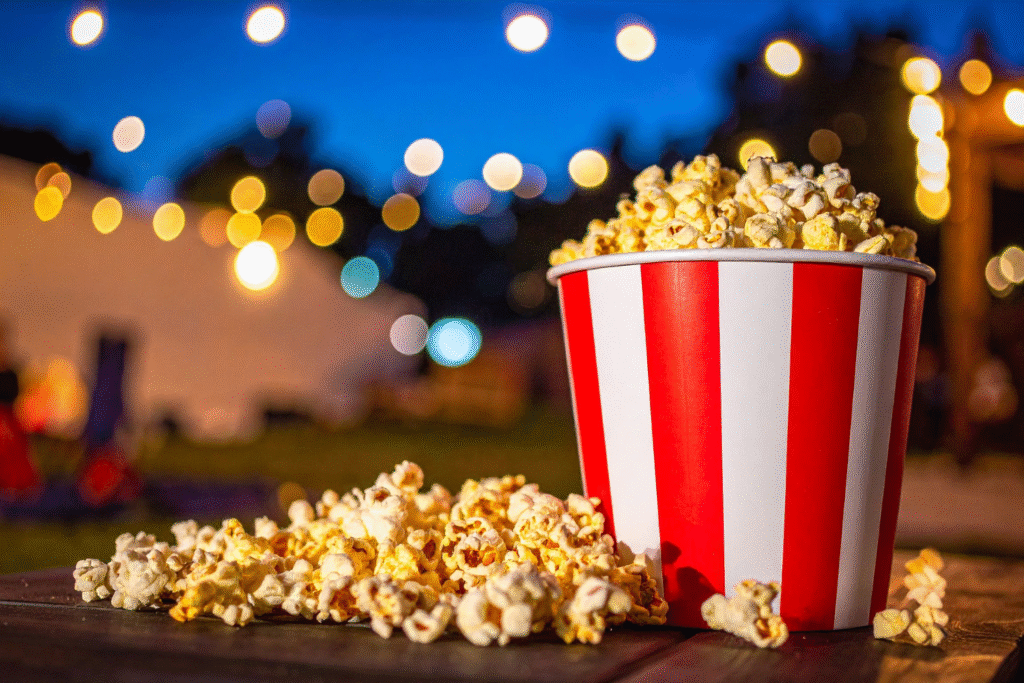
Movie theater popcorn yields a rich scent as heated kernels release oils and artificial butter flavoring. The smell starts in the lobby, clinging to carpets and ticket stubs with a warm, almost creamy undercurrent.
People lined up with coin purses or tucked bills into paper sleeves, knowing that smell meant escape. For many, it evokes dim aisles, flickering previews, and the tactile crunch of cardboard tubs beside sticky seats and shared laughter.
11. The strong kick of gasoline at full-service neighborhood stations.

Gasoline’s pungent kick comes from additives like benzene, which trigger scent receptors in a powerful burst. In full-service stations, that smell often mingled with rubber hoses, oil-can stickers, and the clatter of metal nozzles.
During road trips or errand runs, kids in backseats watched attendants in coveralls check dipsticks and wipe windows. The aroma drifted through open vents, signaling motion, machines, and a kind of grown-up mystery fused to the freedom of the road.