
Simple skills learned early can set the stage for a confident and fulfilling retirement life.

While retirement planning often focuses on finances, many boomers find that lifelong habits make just as much difference. Skills learned in childhood—like saving, cooking, or respectful conversation—build self-reliance and resilience that support a vibrant retirement. These early lessons foster mindsets and routines that help navigate new rhythms, maintain social ties, and manage daily life with ease. The value of these long-practiced habits often becomes even clearer as schedules slow and priorities shift.
1. Saving regularly from a young age builds lifelong financial discipline.

Weekly or monthly saving trains the brain to see money as a tool, not just a reward. For many boomers, who earned modest allowances or wages early, setting something aside became second nature—like folding a crisp dollar bill into an envelope marked ‘someday’.
That simple act of saving, repeated over decades, can lead to a calm approach to financial decisions in retirement. Rather than chasing risky returns, many stick to steady choices grounded in past habits, like living below their means or tracking costs with pencil and paper.
2. Cooking meals at home fosters health, independence, and confidence.

Boiling a pot of soup from scratch or roasting a chicken with just salt and pepper isn’t just about thrift. Home cooking builds confidence in daily self-care and encourages better health through fresh, familiar ingredients over takeout meals.
Many retirees find that longtime kitchen routines offer both structure and satisfaction. The act of preparing food turns routine into ritual—chopping celery for chicken salad or kneading dough for Sunday rolls brings purpose to quiet afternoons.
3. Writing thoughtful letters sharpens communication and deepens social bonds.

Handwriting a letter forces clarity. Every word must earn its keep, and that careful attention, learned with pen on paper, builds deeper communication skills with lasting value. It’s less about nostalgia, more about precision and empathy.
In retirement, those who practiced letter-writing often maintain richer connections. Sending a seasonal note or a thoughtful card helps preserve friendships across distance and time, when in-person contact may slow or stop altogether.
4. Fixing household items encourages self-reliance and practical problem-solving.
Unclogging a drain, gluing a broken chair leg, or changing a light switch cultivates more than just know-how. For children who learned by watching or helping, fixing things sharpened observation and encouraged independence.
Those early lessons pay off decades later in retirement, when waiting for a repair technician or paying for repeated fixes can strain both time and budget. Knowing how things work—and being willing to tinker—becomes its own kind of asset.
5. Practicing polite conversation opens doors in both friendships and communities.

Using first names with respect, pausing to listen, offering a firm handshake—these small acts define conversational politeness. Practicing them as children taught boomers not just etiquette, but how to glide comfortably into new social settings.
Even single retirees or those far from family draw on this ease to build fresh social circles. Whether joining a community group or chatting with neighbors, the right turn of phrase or unhurried tone creates safe ground for connection.
6. Planning for the future creates lasting peace of mind and direction.

Whether charting a summer job path or socking away money for a used bike, kids who learned to look ahead developed foresight. Setting plans taught them to resist short-term temptations and stick with long-range goals.
Applied to retirement, this habit often means fewer surprises and smoother transitions—from downsizing a home to rethinking long-held routines. The ability to map out steps ahead fosters a sense of control as one chapter gives way to another.
7. Reading for pleasure strengthens memory and keeps the mind engaged.

Getting lost in a novel boosts recall, strengthens vocabulary, and flexes cognitive endurance. Reading for its own sake, not just for school, helps anchor lifelong learning habits that support brain health in later decades.
For retirees, this translates to sharper focus and greater mental flexibility—skills useful far beyond trivia nights or book clubs. Curling up with well-worn paperbacks or discovering new authors keeps the mind moving with quiet energy.
8. Doing chores early on teaches responsibility without feeling like a burden.

Pulling weeds, folding laundry, or hauling wood weren’t just chores; they were rites of passage. Daily tasks taught boomers to pitch in without needing applause, and that repeated responsibility grew into quiet diligence.
Later in life, that work ethic supports routines and self-sufficiency. Even when time slows, the framework built through steady effort remains strong. Sweeping the porch each morning can shape the rhythm of an entire day.
9. Respecting elders cultivates wisdom and stronger cross-generational connections.

Growing up in households where grandparents lived nearby or shared Sunday meals taught respect not through lectures but through presence. Observing stories, rituals, and silences shaped how many boomers learned to listen and lead.
In retirement, that early exposure can ease communication with younger generations. Whether mentoring a grandchild or volunteering, respectful dialogue often begins with the slow, earned trust developed around age-worn kitchen tables.
10. Sewing or mending clothes instills creativity and a sense of thrift.
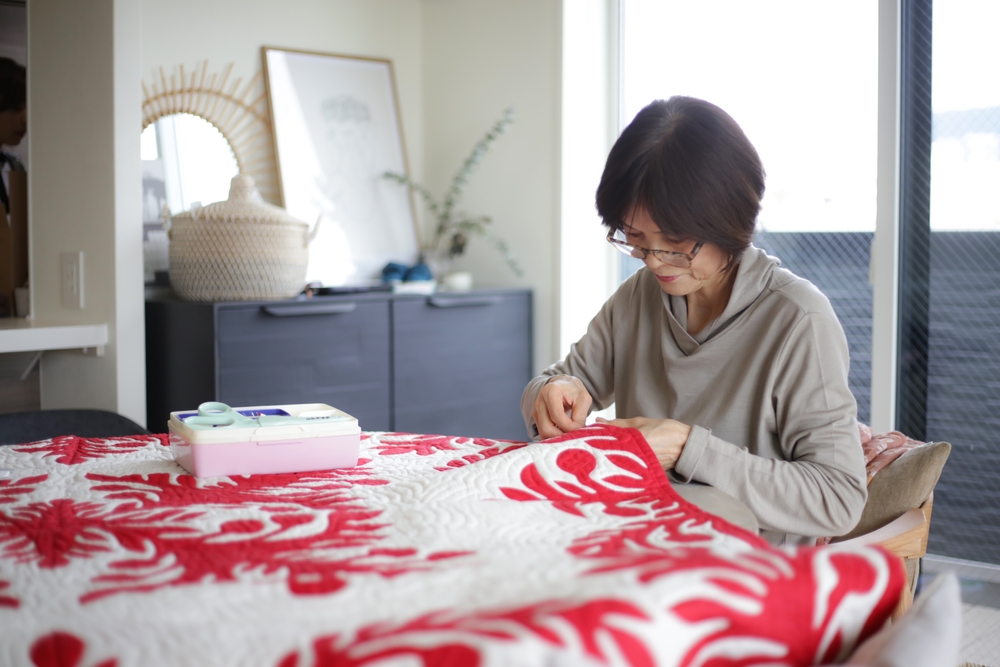
Threading a needle and repairing a torn seam foster patience, precision, and pride in extending an item’s life. Many boomers learned these skills not from textbooks but while seated beside an aunt or parent making quick work of a hem.
In retirement, those habits reflect a mindset of repair over replacement. Mended cuffs or repurposed linens aren’t just frugal choices—they offer tactile satisfaction and a steady rhythm in a fast-replacing world.
11. Budgeting pocket money trains habits that endure into later life.

Receiving a small allowance and deciding how to spend it—whether on baseball cards or marbles—laid the groundwork for financial judgment. Boomers often learned delayed gratification through these early choices, sometimes reinforced with hand-drawn charts or tightly coiled coin rolls.
That training extends into retirement, where managing fixed incomes requires similar tradeoffs. Knowing how to live within means, borne from childhood lessons, often proves more enduring than spreadsheets or apps alone.