
If you want a happy marriage as you age, avoid saying these 11 phrases to your wife.

As you and your wife journey into the later stages of life together, the words you choose can carry more weight than ever before. With the natural changes that come with aging—both physical and emotional—sensitivity and respect become even more crucial in your communication. While you may not intend to hurt your partner, careless remarks or habitual phrases can quietly erode the sense of closeness you’ve built over decades.
1. “You don’t look the same anymore.”
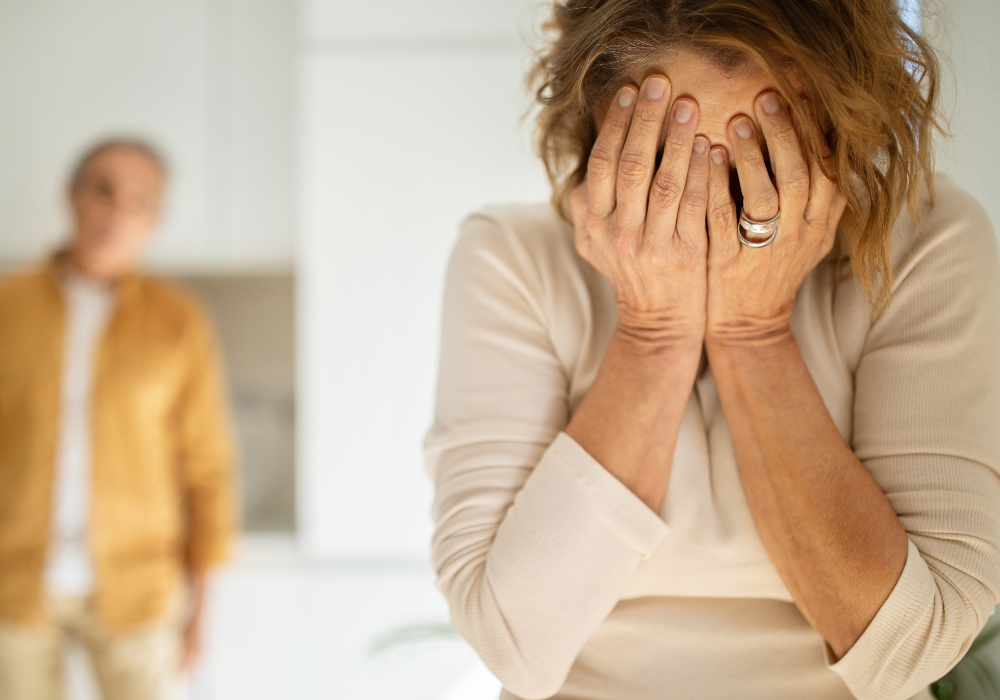
Your wife is likely more aware than anyone of the ways her body and face have changed over the years. This phrase can hit hard, especially if it’s said offhandedly or in comparison to the past. Rather than noticing what’s different, try to see the beauty that time has added—the grace, the resilience, the features shaped by laughter and life. Compliment her for the qualities that have deepened with age.
2. “Are you sure you want to eat that?”
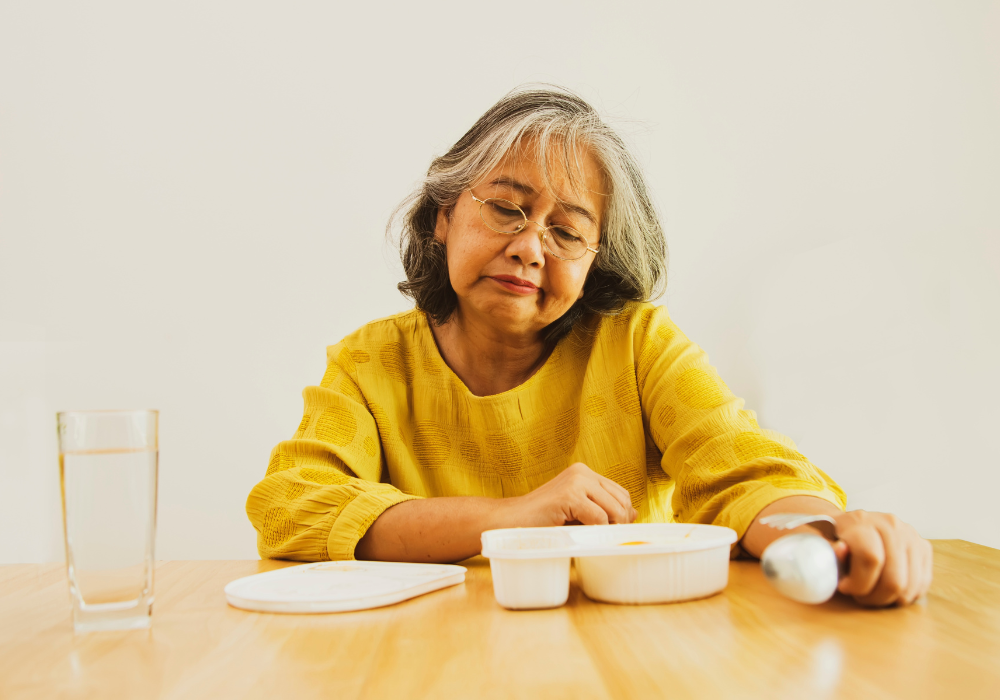
This phrase might seem harmless or even well-intended, but it often comes across as controlling or judgmental. Food should be a source of joy, nourishment, and togetherness, not a battleground for subtle criticism. Questioning your wife’s food choices can chip away at her confidence, making her feel like she’s being watched or second-guessed in her most basic needs.
As couples age, mealtime becomes more about connection and less about perfection. So instead of commenting on what’s on her plate, enjoy the moment with her. Share the tastes, the stories, and the experience without judgment. Support comes from acceptance, and that means letting her choose what brings her satisfaction without offering unsolicited opinions.
3. “You’re acting like my mother.”

Comparing your wife to your mother, especially in a negative or sarcastic way, is a sure path to hurt feelings. Even if you say it in jest, it implies that she’s being overbearing, critical, or nagging—traits no one wants to be accused of. It reduces her individuality and makes her feel like she’s being lumped in with someone she never asked to be compared to.
Your wife wants to be seen as her own person, not a reflection of another woman in your life. If something she does bothers you, it’s far better to speak about the issue directly and kindly. Avoiding comparisons allows room for more honest and respectful conversations. Mutual appreciation thrives when each partner is acknowledged for who they are, not how they resemble someone else.
4. “You’re overreacting.”
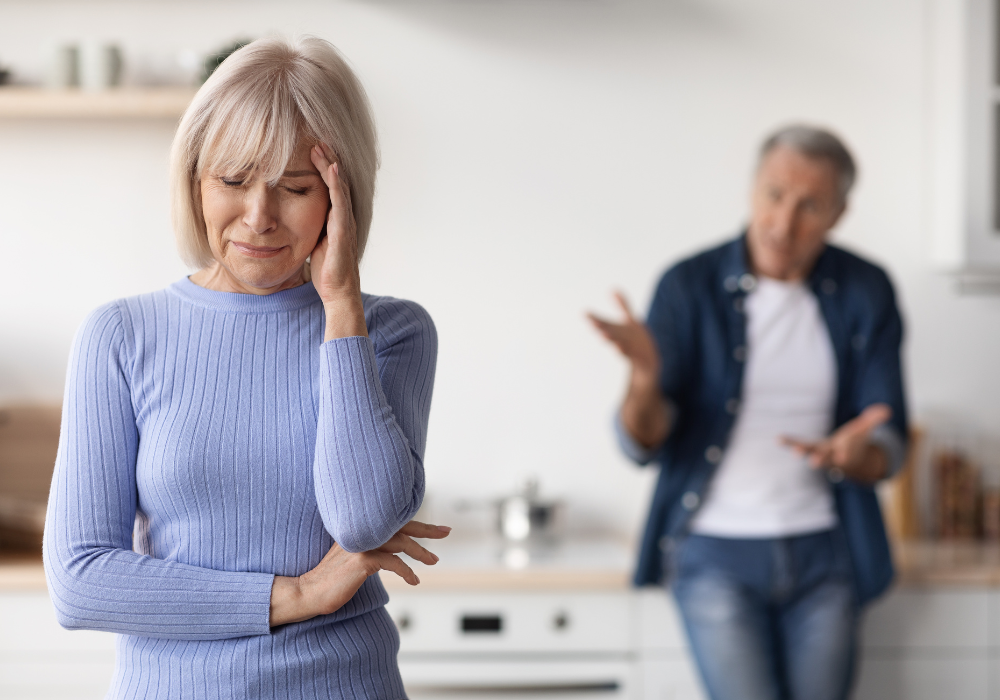
Few phrases shut down emotional connection faster than this one. Telling your wife she’s overreacting sends the message that her feelings aren’t valid or worth your attention. It may seem like a quick way to defuse a tense moment, but what it really does is dismiss her perspective and put distance between you both.
Instead of minimizing her reaction, take a breath and ask what’s really going on for her. Often, what may seem like a big reaction has deeper roots—fear, stress, or a need for support. Listening with patience instead of pushing her emotions aside helps build trust. Emotional safety in a marriage grows when both people feel understood, even when their responses differ.
5. “You’re too old to wear that.”
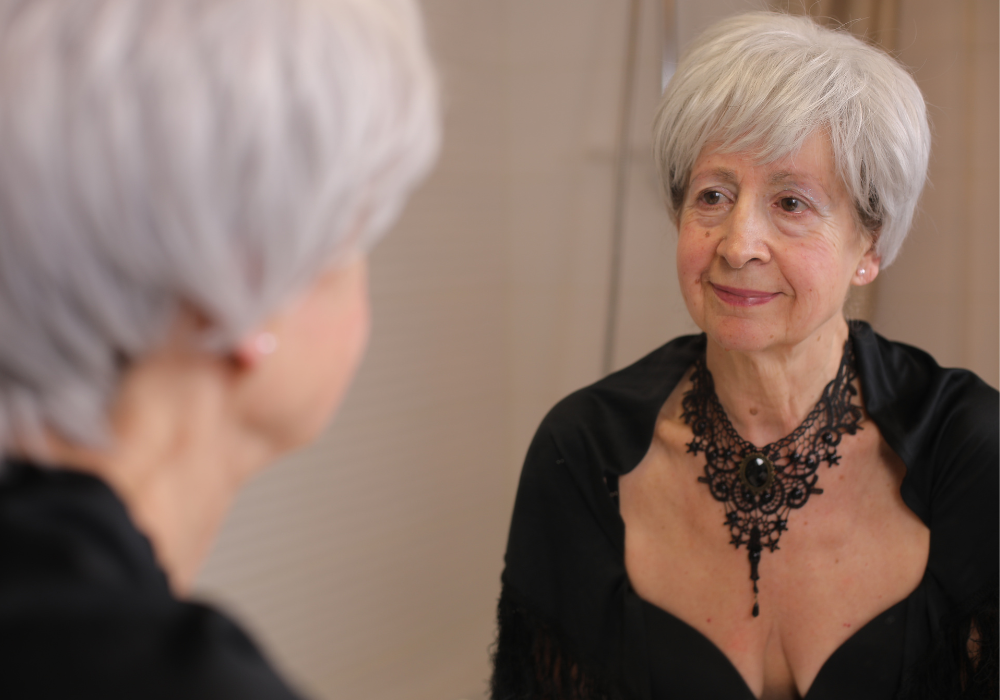
This comment might be said with concern, but it’s laced with judgment that cuts deep. Fashion is an expression of identity and creativity, not something dictated by age. Suggesting that your wife is “too old” for something she enjoys wearing can make her feel outdated, embarrassed, or as though she’s no longer allowed to enjoy what makes her feel good.
Let your wife dress in a way that brings her joy. If she feels confident and happy in something, that’s what really matters. The goal is to support her self-expression, not police it. Embracing her choices—even when they surprise you—is a small but powerful act of love and respect that speaks volumes over time.
6. “You’re not as fun as you used to be.”
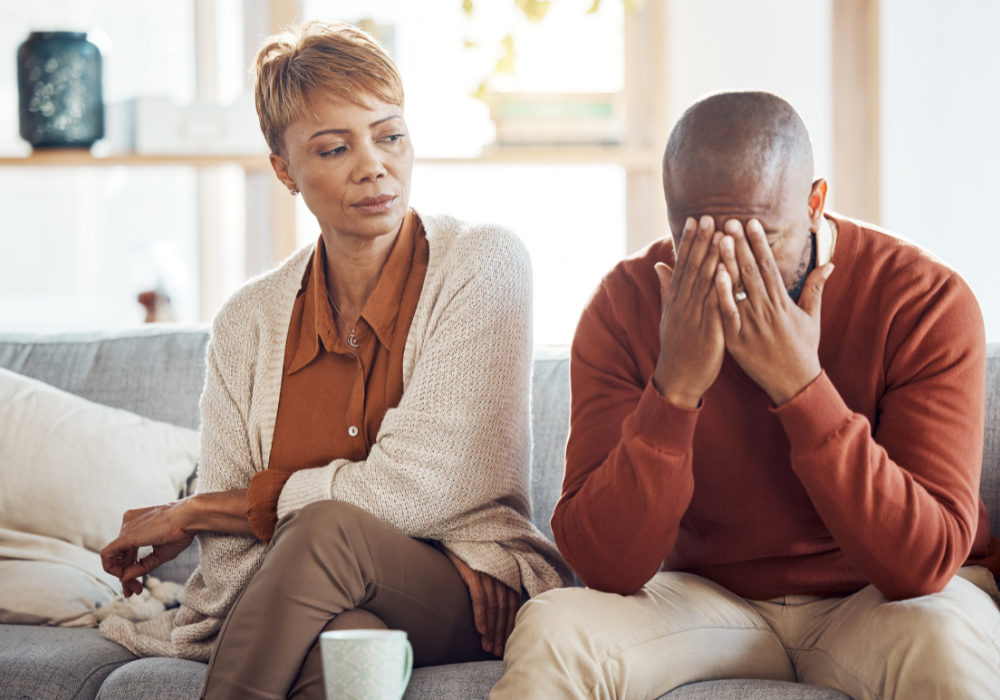
This phrase is a quiet rejection that can leave lasting scars. As people age, their interests and energy levels may shift, but that doesn’t mean they’ve lost their capacity for fun or spontaneity. Saying she’s “not as fun” implies that she’s become a disappointment or burden, even if you didn’t mean it that way.
Instead of highlighting what’s changed, try discovering new ways to enjoy life together. Maybe what used to be fun has transformed, and that’s okay. Explore different hobbies, revisit meaningful memories, or simply create new inside jokes. Joy isn’t about repeating the past—it’s about finding connection in the present and choosing laughter whenever you can.
7. “You’re getting forgetful.”
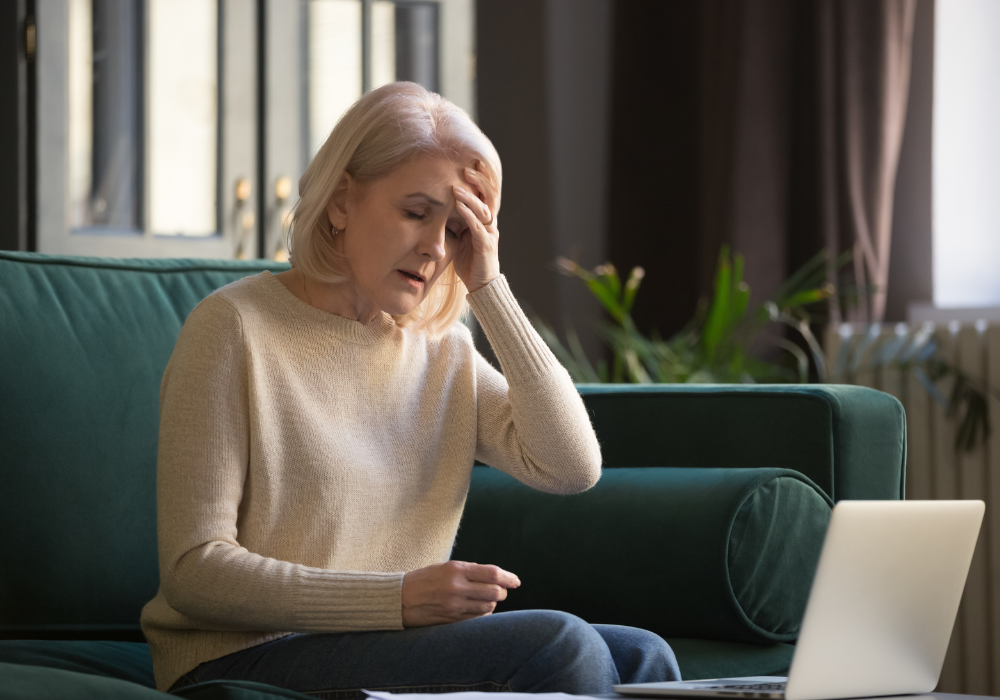
Memory slips are a normal part of aging, but pointing them out can sting. When you say your wife is “getting forgetful,” it can make her feel embarrassed, anxious, or even fearful about her health. No one wants to feel like they’re being monitored or criticized for something that’s often out of their control.
Instead of drawing attention to every forgotten name or misplaced item, offer a gentle hand when needed. Let her know it’s no big deal and that everyone has those moments. Your reassurance can ease her worries, and your patience reinforces that she’s loved, not judged, through every phase of life.
8. “Why are you so tired all the time?”
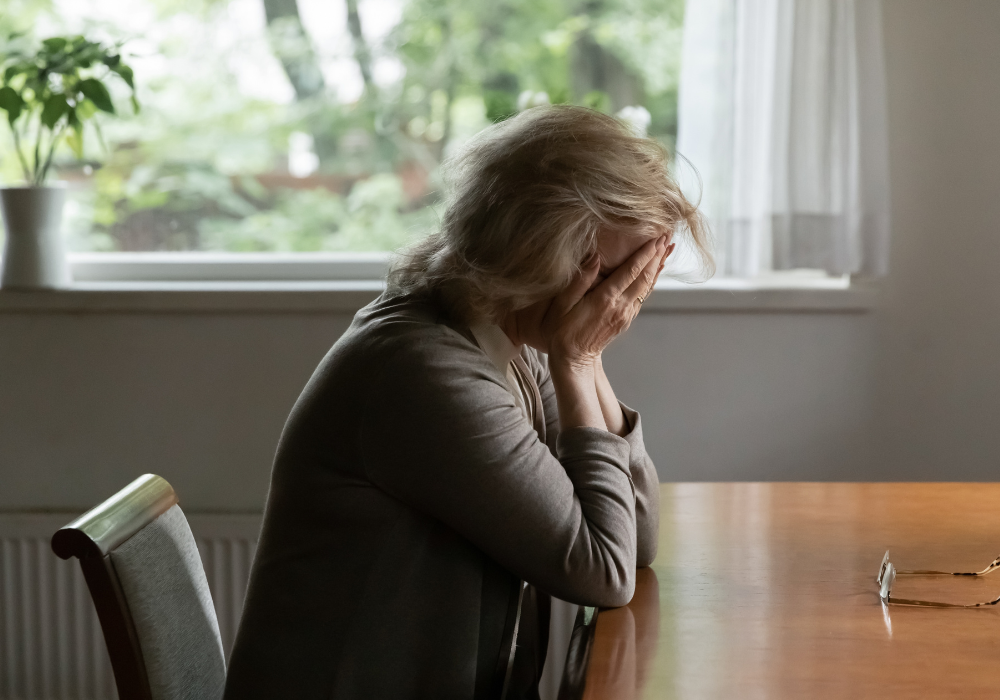
This question, though perhaps asked out of concern, can come across as irritation or disbelief. Tiredness can stem from many causes—emotional strain, health issues, or simply the natural wear and tear of aging. Questioning it without understanding can feel like criticism instead of support.
A better approach is to ask how she’s feeling and if there’s anything she needs. Creating space for her to share what’s going on, without pressure, builds emotional intimacy. You don’t need to solve the problem—just being a calm, compassionate presence often means more than any advice you could give.
9. “You’re turning into a nag.”
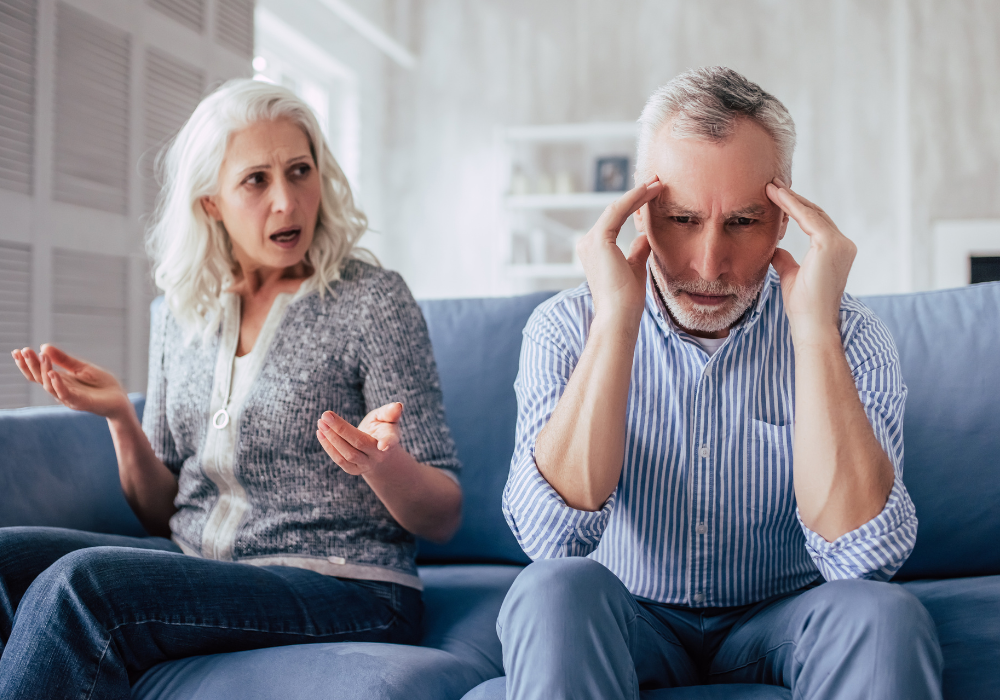
Calling your wife a “nag” reduces her voice to something annoying or excessive. It tells her that what she’s trying to communicate doesn’t matter—or worse, that you’re unwilling to listen. Over time, this label can create emotional distance, making her feel unheard or disrespected.
If you feel overwhelmed or frustrated, choose language that addresses the issue without name-calling. Say something like, “Can we talk about this when I’m in a better headspace?” That way, you acknowledge your own feelings without attacking hers. Respectful communication isn’t about silence—it’s about speaking with kindness, even in disagreement.
10. “You look exhausted.”
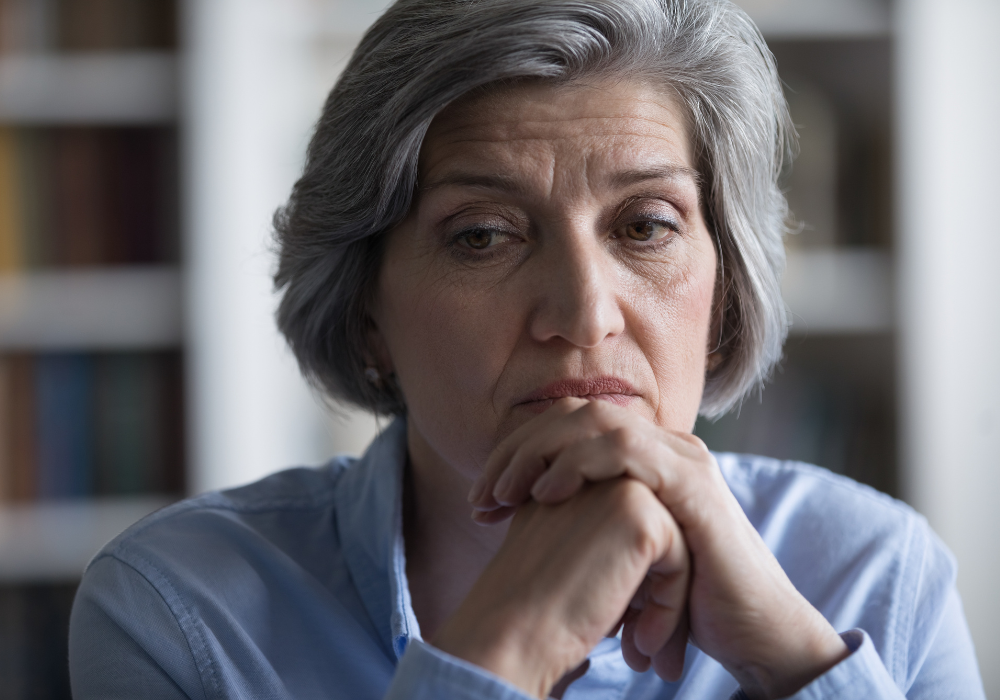
This might be intended as concern, but it often lands as criticism. Your wife may already feel sensitive about how aging is showing on her face or in her posture. Hearing she “looks exhausted” can deepen self-consciousness and make her feel unattractive or worn down in your eyes.
If you’re genuinely worried, ask how she’s feeling rather than commenting on how she looks. Offer help, a moment of rest, or a gentle word of encouragement. Remind her that she’s still beautiful to you, even on her most tired days. Your words can either drain or restore her confidence—choose them with care.
11. “At your age, should you be doing that?”

This phrase is laced with limitation and doubt, even if you think you’re looking out for her. Imposing age-based restrictions sends the message that you don’t believe in her strength, capability, or judgment. It can be disheartening and make her feel like her world is shrinking.
Encourage her independence and excitement for new experiences, whether it’s travel, fitness, hobbies, or learning something new. Your belief in her can fuel her sense of freedom and joy. Support isn’t about protecting her from life—it’s about cheering her on as she lives it fully, at any age.