
As social needs shift with age, solitude becomes a space for clarity, peace, and renewal

Solitude often becomes more comforting with age, offering space for reflection, calm, and intentional living. As social obligations lessen and personal understanding deepens, quiet moments grow more meaningful. Time alone can restore energy, sharpen focus, and support emotional steadiness. Rather than signaling loneliness, solitude may feel like a return to self—a calm retreat from the noise. For many, it marks a gentle shift toward deeper connection with one’s values and well-being.
1. Solitude allows space for self-reflection and renewed perspective.

Self-reflection often sharpens in solitude, especially with age. Without the hum of constant obligation, the mind can turn inward to review experiences and adjust beliefs. A quiet morning walk or time spent journaling helps sort past choices while framing new perspectives with measured clarity.
In older adulthood, retrospection often replaces reaction. Past mistakes stop feeling like failures and begin acting as teachers. Solitude doesn’t isolate—it distills, allowing a person to examine the arc of their life without distraction, much like viewing a map in soft morning light instead of in a rush.
2. Personal time fosters deeper appreciation for simple daily rituals.

Small habits—the way light filters over a morning newspaper or the sound of simmering tea—draw new attention when life slows down. With fewer time-bound tasks, people begin to savor the rituals that once passed unnoticed. These moments form the quiet scaffold of daily peace.
What used to be background noise becomes a rhythm that steadies the day. Growing older often brings gratitude for these simple cadences. A slow breakfast, folding laundry, tending a patch of basil—all feel like intentional acts when there’s space to appreciate them more fully.
3. Quiet moments help recharge emotional energy and lessen stress.
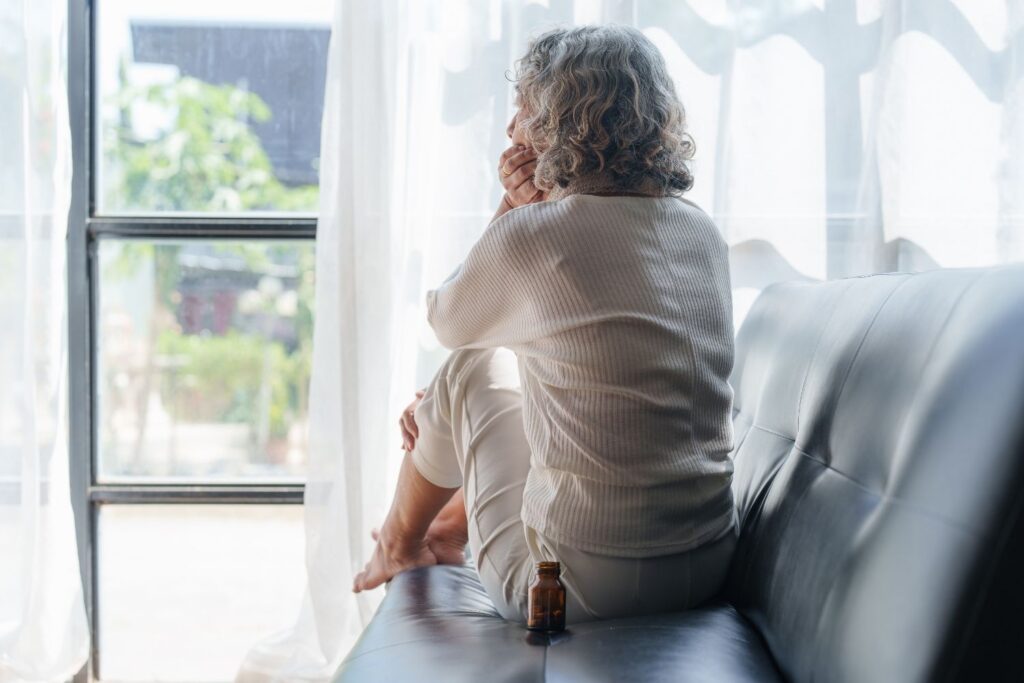
Emotional fatigue builds up when connection becomes obligation or noise drowns thought. Solitude helps restore balance, giving the nervous system a quiet room to rest. For many, especially in later life, peaceful stretches of time become essential for feeling level, not lonely.
A walk alone or an afternoon with a book can soften tension more than constant conversation. Freed from performance or expectation, people often find themselves easier to be around—including for themselves. The absence of stimulation makes room for patience to return naturally.
4. Alone time supports creativity and thoughtful decision making.

Alone time frees mental bandwidth, allowing ideas to form without interruption. Creative insight doesn’t always arrive with fanfare; it needs silence, like a seed needs undisturbed soil. For older adults, solitude often unlocks long-dormant projects or reframes decisions with a clearer lens.
Responses aren’t rushed when internal dialogue flows without outside noise. Whether composing a letter, sketching a garden layout, or planning a new routine, people often find their thoughts stack more deliberately. The quiet becomes both sounding board and guide.
5. Fewer distractions make it easier to focus on meaningful priorities.

As social calendars ease, older adults often find more control over where their energy goes. Without competing obligations, it becomes easier to center daily choices around what matters. Priorities shift from outer validation to inner alignment, like a window adjusting to let light fall just right.
The absence of clutter—mental or social—makes long-term values stand out more clearly. Whether protecting health, savoring time with someone important, or finally pursuing neglected interests, solitude removes the static and sharpens focus where it counts.
6. Solitary routines create a comforting sense of rhythm and control.

Even unremarkable patterns—when meals happen, how morning begins—gain meaning with repetition. Solitary routines provide structure without pressure. For many aging adults, the predictability of these rituals becomes a quiet framework that holds the day together, offering autonomy where uncertainty may have once ruled.
At a glance, these rhythms may look plain, but they offer reassurance. Knowing what comes next reduces decision fatigue. Whether it’s the way a dog gets walked at dusk or classical music cues evening chores, such patterns smooth the hours.
7. Aging often brings more clarity about personal values and needs.

With time, many people shed expectations and tune in to what aligns. Aging often strips away what felt urgent but wasn’t essential, replacing it with clearer preferences. Solitude offers the setting to sense those shifts—to choose deliberately rather than react from habit.
No longer chasing roles or recommendations, older adults may embrace instincts they once ignored. The result isn’t distance but discernment. Values surface more easily when there’s room to reflect, not perform. What once felt like silence can feel like signal.
8. Time alone encourages emotional regulation and inner calm.

Emotions don’t demand immediate response in quiet settings. Alone time offers people the bandwidth to notice feelings as they come, name them, and settle them. Without constant interpersonal cues, they can respond internally with less reactivity and more steadiness.
Over time, this space builds emotional fluency. When solitude comes with intention instead of absence, it supports calm rather than sadness. A still kitchen table, a paused stroll, or even a moment closing one’s eyes—all help cultivate a sense of regulation from the inside out.
9. Solitude helps strengthen one’s sense of independence and agency.

The ability to shape one’s day becomes more important as external validation fades. Solitude lets people act on internal cues rather than wait for permission. When social obligations loosen, agency often steps forward as the quiet but firm voice that says, ‘I choose this.’
Independence doesn’t mean disconnection—it means authorship. Older adults often find power in making small daily decisions from within. Whether declining an invitation or pursuing a private passion, comfort grows from knowing one’s time belongs fully to oneself.
10. Less social pressure allows room to grow without comparison.

External benchmarks tend to fade with age, loosening the grip of comparison. In solitude, people can develop or explore without the mirrored feedback of peers. Growth takes shape more slowly—often inwardly—but with far less self-consciousness.
Without an audience, change feels personal. A craft can become a private delight instead of a display. Whether refining a recipe or relearning an old hobby, what matters is how it makes someone feel, not how it looks to others. The result is often gentler, steadier development.
11. Quiet living supports deeper connections with nature and self.

Natural settings often feel more vivid in quiet. Without conversation or devices, people notice smaller sounds—the wind moving through dry leaves, a jay’s sharp call. Solitude allows these details to register more fully, revealing how external calm can echo inward.
Inner landscapes often mirror external ones. For aging adults, time alone outside or in restful spaces helps reconnect thought and body. It fosters a grounded sense of being part of something steady, where breath, sky, and sensation begin to align without effort.