
Discover the timeless talents that made Baby Boomers resourceful, resilient, and self-reliant.
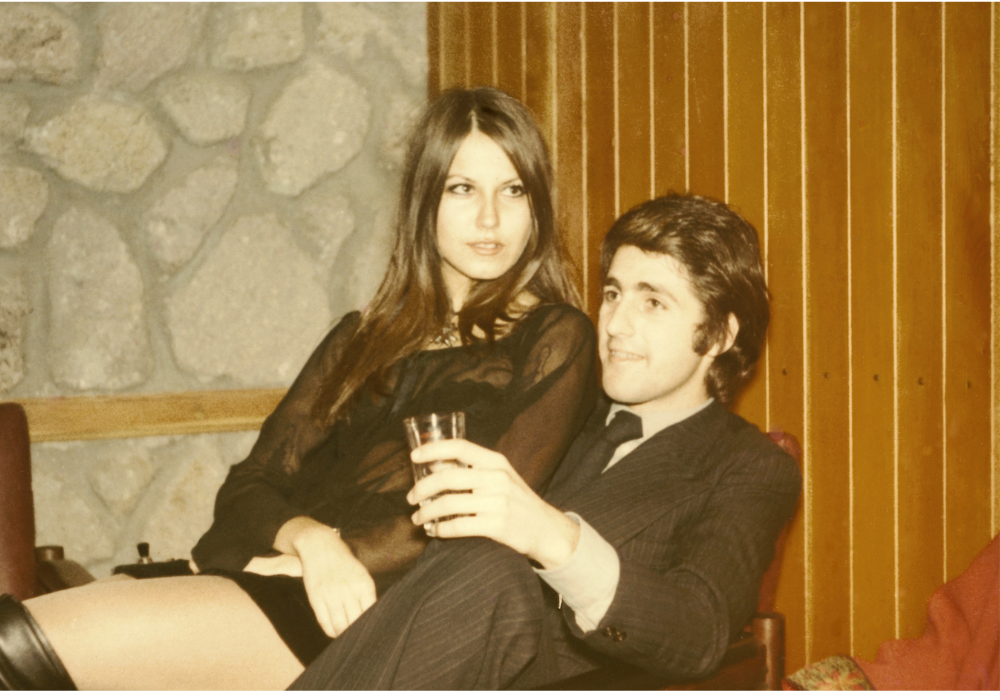
Baby Boomers were raised in a world without Wi-Fi, Amazon Prime, or smartphones, yet they developed a toolkit of practical skills that made them remarkably independent and capable. While Millennials and Gen Z are often seen as tech-savvy and adaptable, many secretly admire the hands-on wisdom that Boomers seemed to master effortlessly. These were the generations who knew how to stretch a dollar, fix what was broken, and make something meaningful with their own two hands.
In a time when convenience often replaces capability, these forgotten skills are making a quiet comeback. More and more younger folks are recognizing the power of simplicity, the joy of self-sufficiency, and the confidence that comes with knowing how to take care of things without outsourcing. Here are 13 impressive, often-overlooked talents that Baby Boomers learned growing up—skills that younger generations wish they had in their back pocket.
1. Sewing and mending clothing saved money and preserved quality.
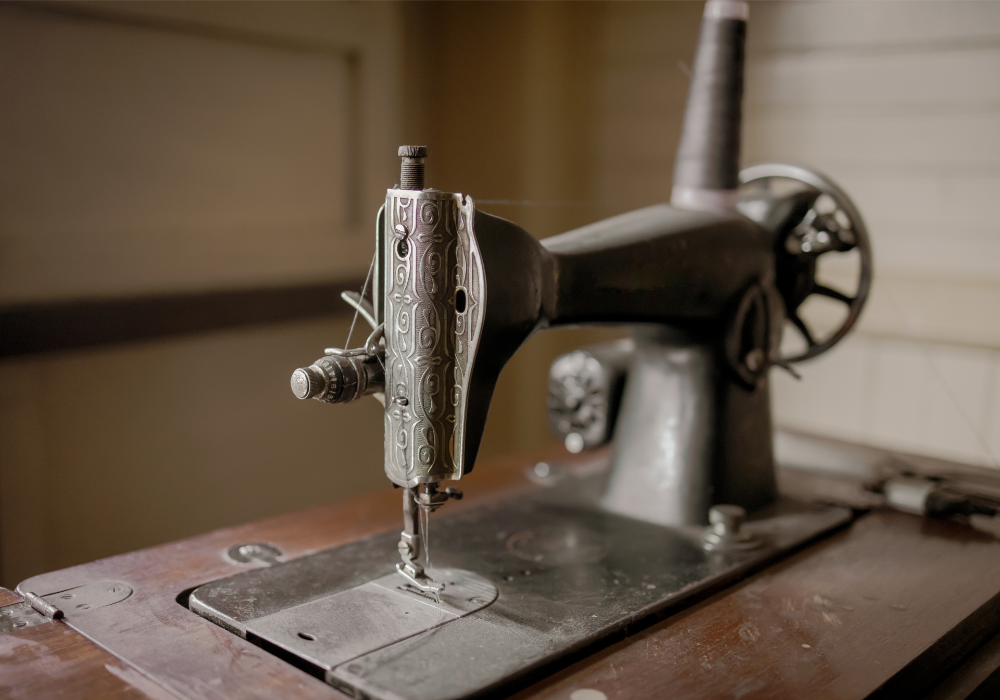
Boomers didn’t just know how to sew—they had sewing kits in drawers and knew how to use them. Whether it was replacing a popped button, fixing a torn seam, or hemming pants, they saw clothing as something worth maintaining, not tossing. This skill gave them control over their wardrobe and saved a ton of money over time.
Millennials and Gen Z, raised on fast fashion and overnight delivery, often lack the basic know-how to mend their own garments, researchers at Science Daily reported. But as sustainability becomes more important and economic pressures rise, the ability to make clothes last is gaining new relevance. It’s not just about saving money—it’s about reclaiming quality, creativity, and reducing waste in a throwaway culture.
2. Cooking from scratch provided better nutrition and connection.

Back when dinner wasn’t delivered in a box or picked up through a drive-thru, Boomers were chopping, mixing, baking, and simmering at home. Cooking from scratch wasn’t a hobby—it was a daily necessity. It taught them how to use whole ingredients, follow recipes, and prepare nourishing meals that brought people together around the table.
Today’s generations are rediscovering that home-cooked meals offer more than just health benefits—they’re a way to slow down, connect, and express care. Making bread, soups, and home-style dishes from scratch may seem daunting, but it offers a chance to reclaim the heart of the home, as mentioned by the writers at Homesteading Family. Millennials and Gen Z who learn this skill often find themselves embracing a healthier lifestyle and forming deeper social bonds.
3. Writing letters fostered meaningful communication and connection.

Before texts, DMs, and emojis, staying in touch meant sitting down, choosing the right words, and writing them out by hand. Letters weren’t just messages—they were time capsules, reflections of care and thought. Baby Boomers understood the impact of receiving a heartfelt note in the mailbox, and they cherished both writing and receiving them.
In a digital age where communication can feel shallow or fleeting, younger generations are starting to appreciate the emotional depth of handwritten correspondence. A letter takes effort, and that effort translates into deeper emotional resonance, as writers of Insights to Keep Handy stated. Whether it’s a thank-you note, a love letter, or a note of encouragement, reviving this lost art can bring unexpected richness to modern relationships.
4. Growing their own food ensured fresh and sustainable meals.

Boomers didn’t need a TikTok trend to grow tomatoes or herbs in their backyard—they simply did it. Whether out of necessity or habit, growing food at home was a way to save money, eat fresh, and build self-reliance. Gardening taught patience, care, and the satisfaction of eating something you nurtured from seed to plate.
Today’s young people, navigating rising grocery costs and food supply concerns, are turning back to the soil. Whether on a balcony or in a backyard plot, the act of growing your own produce connects you to nature and teaches valuable life lessons. Millennials and Gen Z could gain a deep sense of empowerment and sustainability by adopting this green-thumbed tradition.
5. Home repairs saved money and taught problem-solving.

From fixing a leaky faucet to patching drywall or unclogging a drain, Boomers had a natural “figure-it-out” mindset. They didn’t immediately call for help—they reached for a toolbox. This not only saved them thousands over the years, but it also built their confidence and resilience when facing everyday household issues.
Many younger people today feel overwhelmed at the thought of repairing anything without a YouTube tutorial. While technology offers helpful guides, nothing replaces hands-on experience. Learning how to handle basic repairs teaches problem-solving, boosts independence, and can be surprisingly satisfying. It’s a skill Millennials and Gen Z wish they didn’t have to outsource.
6. Navigating without GPS developed a strong sense of direction.

Boomers could read a map, remember landmarks, and make it across town without a smartphone yelling “turn left in 300 feet.” They developed an internal compass because they had to, using street signs, instincts, and spatial memory to get where they needed to go.
Today’s younger drivers often rely so heavily on GPS that they barely register their surroundings. But when the signal drops or your battery dies, knowing how to navigate the old-fashioned way becomes essential. This isn’t just about driving—it’s about awareness, independence, and sharpening memory and orientation skills.
7. Budgeting taught financial discipline and responsibility.

Boomers came of age when budgeting wasn’t optional—it was survival. They knew how to stretch a dollar, prioritize needs over wants, and save for the future without instant gratification. They balanced checkbooks, paid with cash, and lived by the rule of “if you can’t afford it, don’t buy it.”
Younger generations, facing record debt and inflation, are beginning to see the wisdom in those old-school habits. Apps and spreadsheets help, but real financial discipline is about mindset and practice. Learning how to track spending, plan ahead, and live within your means is a game-changer that Boomers had down pat
8. Fixing cars saved time and money during emergencies.

Boomers weren’t mechanics, but they often knew how to change a tire, check fluids, and handle minor repairs. These basic skills meant they weren’t stranded during a breakdown or at the mercy of overpriced garages. Knowing how to take care of their vehicles gave them freedom and peace of mind.
Today’s cars may be more complex, but a lot of basic maintenance is still accessible. Millennials and Gen Z could benefit greatly from learning how to jump-start a battery, replace a wiper blade, or check tire pressure. These small acts of car-care confidence can save time, money, and stress on the road.
9. Face-to-face networking built genuine relationships.

Before LinkedIn and Zoom, Boomers built their professional and social circles through real-life connections. They attended events, made phone calls, and followed up with handwritten thank-you notes. These interactions felt personal, and they created stronger bonds that often lasted for years.
Younger professionals can learn a lot from this approach. While digital networking is convenient, it can feel impersonal or superficial. Millennials and Gen Z who cultivate in-person communication skills—like eye contact, active listening, and thoughtful follow-up—often stand out in the best way possible and form more meaningful relationships.
10. Crafting and DIY projects nurtured creativity and self-reliance.
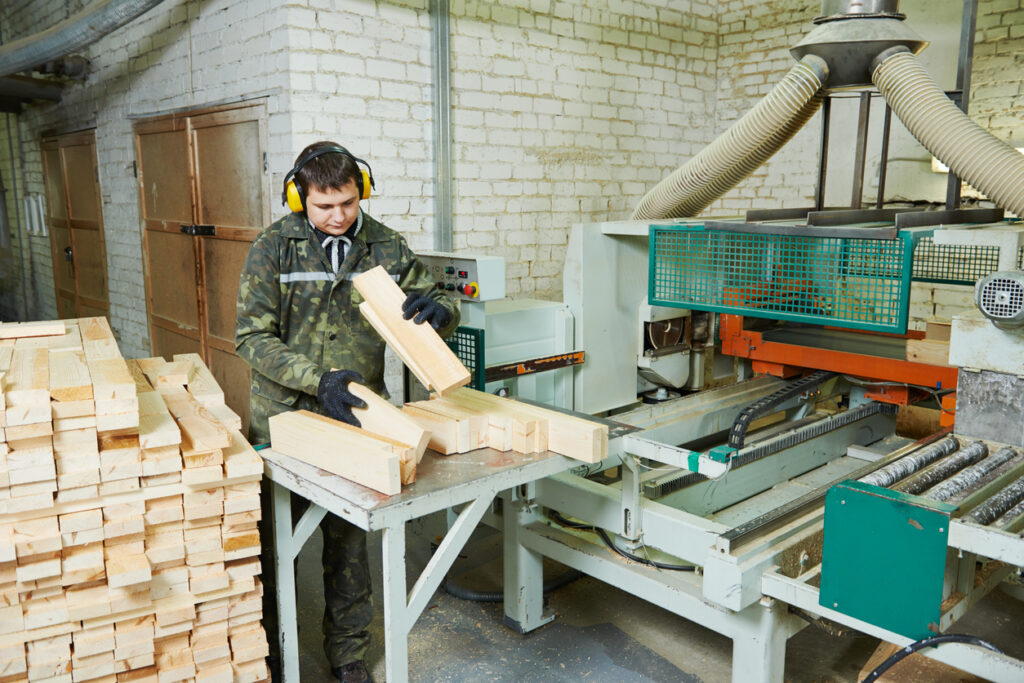
Boomers were the original DIYers. They didn’t just buy—they built, fixed, created, and customized. Whether it was knitting, woodworking, quilting, or model building, these hobbies weren’t just for fun—they fostered patience, problem-solving, and pride in one’s work.
Today, crafting and DIY are making a comeback, not just as hobbies but as tools for mental wellness and creativity. For younger generations burned out by screen time, working with their hands offers grounding, satisfaction, and a sense of accomplishment. Boomers didn’t need Pinterest to get creative—they just rolled up their sleeves and got started.
11. Canning and preserving foods ensured sustainability and reduced waste.

Boomers turned seasonal abundance into year-round meals with the help of mason jars and pressure cookers. Canning, freezing, and drying foods helped stretch their harvest and reduce grocery costs. This wasn’t just a hobby—it was a vital skill that brought a sense of preparation and security.
Today, as food prices soar and waste becomes a growing concern, Millennials and Gen Z are circling back to these methods. Learning how to preserve food not only supports sustainability but also provides a deeply satisfying connection to seasonal rhythms and ancestral knowledge. It’s a slow, mindful process with delicious rewards.
12. Repairing appliances kept things out of landfills.
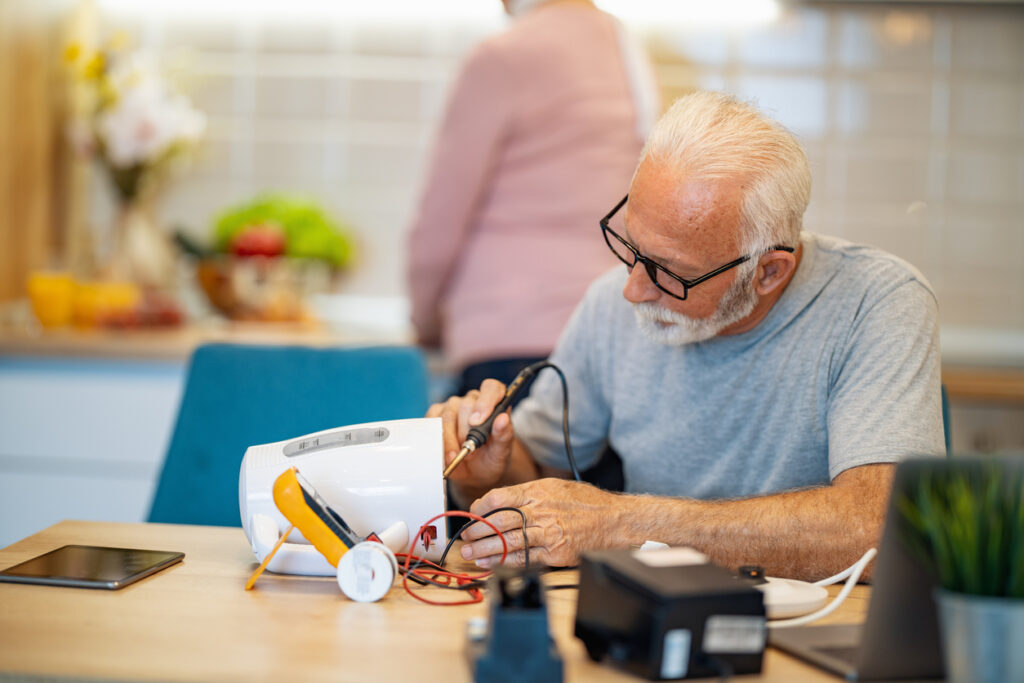
Back in the day, if a toaster stopped working or the vacuum lost suction, Boomers didn’t immediately toss it—they took it apart and tried to fix it. Appliance repair wasn’t just a way to save money; it was a common-sense act of maintenance and respect for what you owned.
Younger generations have grown up in a more disposable culture, but the environmental and financial cost of replacing rather than repairing is starting to hit home. Learning how to troubleshoot small appliances and use replacement parts can keep perfectly good items working for years—and keep them out of landfills.
13. Making do with less built resilience and gratitude.

Boomers knew how to live with what they had. Whether it was hand-me-downs, secondhand furniture, or stretching meals with what was in the pantry, they developed a mindset of gratitude and ingenuity. This approach created a foundation of resilience—an ability to find contentment even in lean times.
Millennials and Gen Z, often pressured by consumerism and social comparison, are discovering that less really can be more. The Boomer mentality of “make it work” offers a powerful alternative to constant upgrading and chasing trends. Learning to be content and resourceful builds mental strength, reduces stress, and fosters deeper appreciation for what truly matters.