
These practical skills once gave kids independence, confidence, and problem-solving know-how outdoors and at home.

Generations past didn’t learn survival skills from screens—they picked them up while patching bikes or starting fires. Baby Boomers often gained hands-on abilities early, building real-world confidence through tasks that today might fall to technology or adult supervision. From reading maps to cooking without help, these skills fostered resourcefulness and self-reliance. Exploring what’s been lost reveals more than nostalgia—it shows opportunities to reconnect younger generations with practical, lifelong know-how.
1. Navigating neighborhoods confidently without GPS or digital maps.
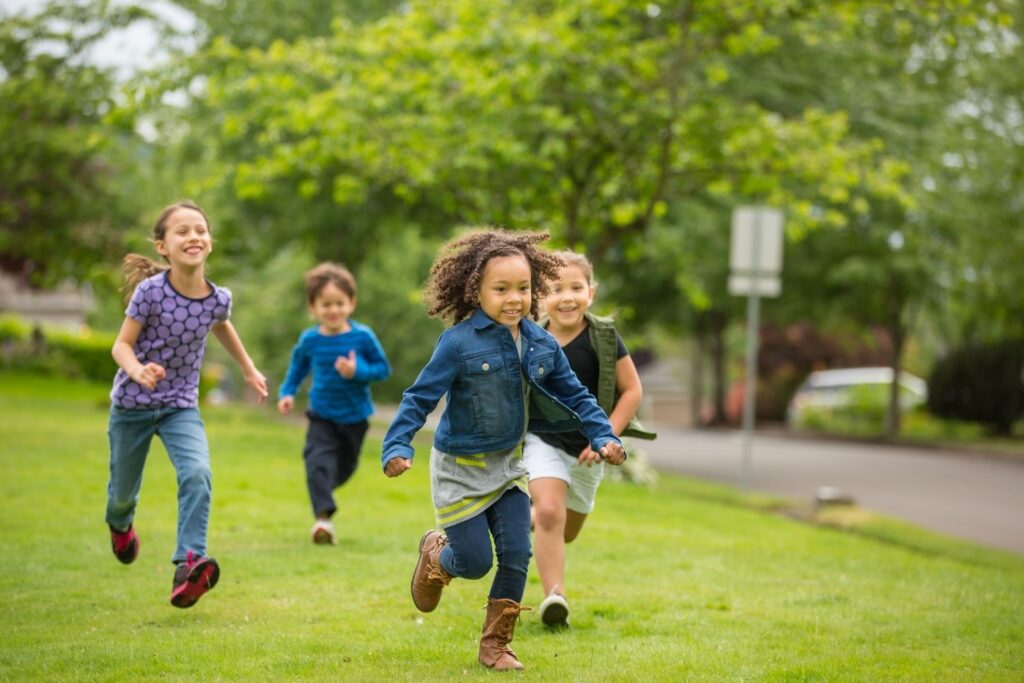
Before smartphones and satellite pins, kids learned their streets by foot, not screen. Navigating by landmarks—a cracked sidewalk near the corner store, a white swing set two blocks down—built strong mental maps and sharpened awareness of the surrounding environment.
Concrete details anchored their internal sense of place, making independence feel natural rather than risky. Unlike digital apps that reroute on command, neighborhood familiarity came from repetition, small mistakes, and casual observations that slowly formed unshakable confidence.
2. Starting a campfire using basic materials and no starter fluid.

Building a campfire without accelerants demanded patience, dry kindling, and a practiced hand. Children gathered twigs, arranged them for airflow, and sparked a flame using matches or flint, guided by experience rather than YouTube tutorials.
Even damp logs could sometimes catch with the right touch—a curled birch bark, dry grass, and steady breath combined in a tiny ritual of control over nature. Fire meant warmth or dinner, not just backyard amusement, so getting it right carried quiet urgency.
3. Fixing a flat bike tire with a simple patch kit.
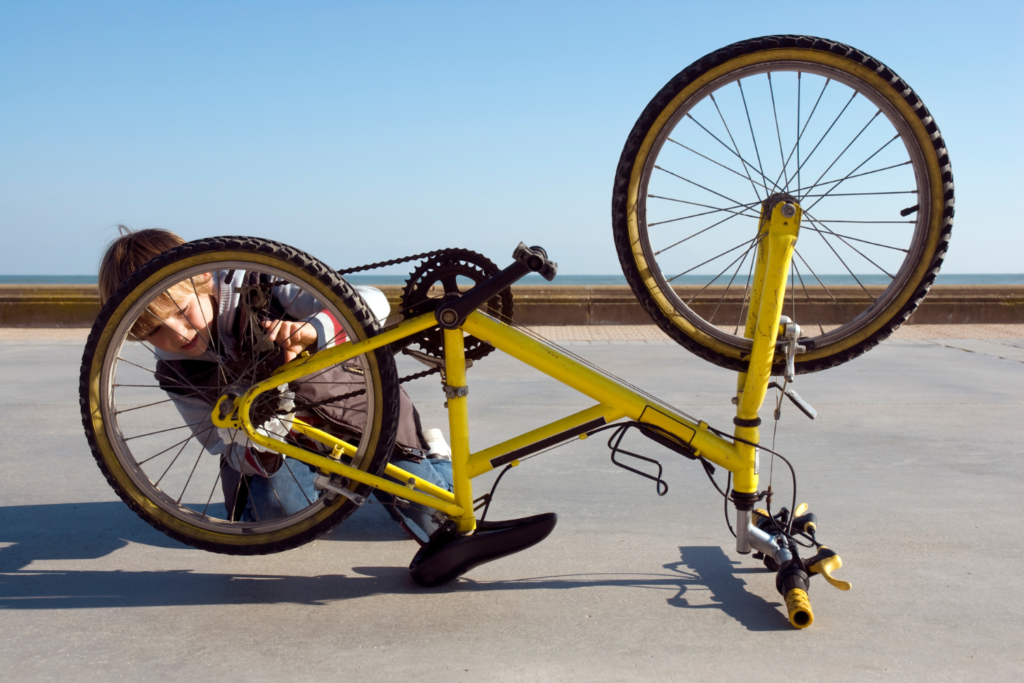
Flat tires didn’t pause the day. Kids flipped their bikes upside down, wrenched off a wheel, and patched the inner tube with a small rubber square and adhesive—it smelled faintly of vinyl and left sticky fingers.
The skill wasn’t just mechanical; it showed problem-solving under pressure. When the route to school had no detour or ride option, knowing how to fix what broke became its own sort of freedom laced with grit and grit under the nails.
4. Reading a paper map and giving clear directions.
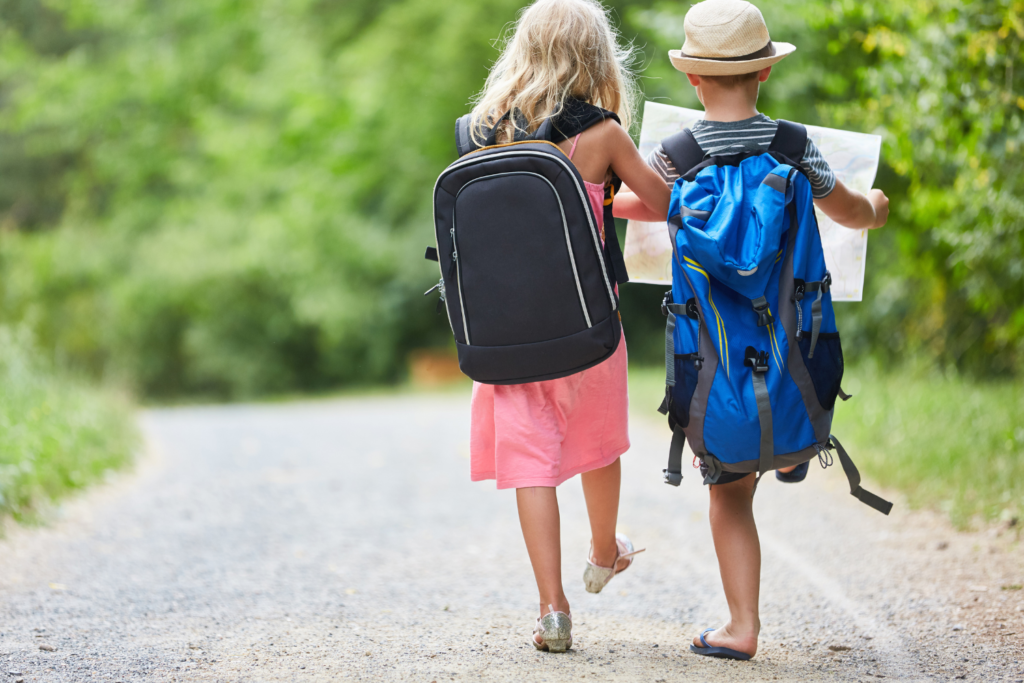
Decoding a paper map required more than matching symbols to places. Kids turned the creased page, found the compass rose, and traced routes based not on turn-by-turn prompts but on scale and intent.
Understanding direction sharpened verbal clarity. Giving someone instructions like “walk two blocks past the water tower, then right by the dairy barn” required observation, translation, and trust in memory—capacities shaped more by experience than by algorithms.
5. Sewing on a button or mending a small tear by hand.
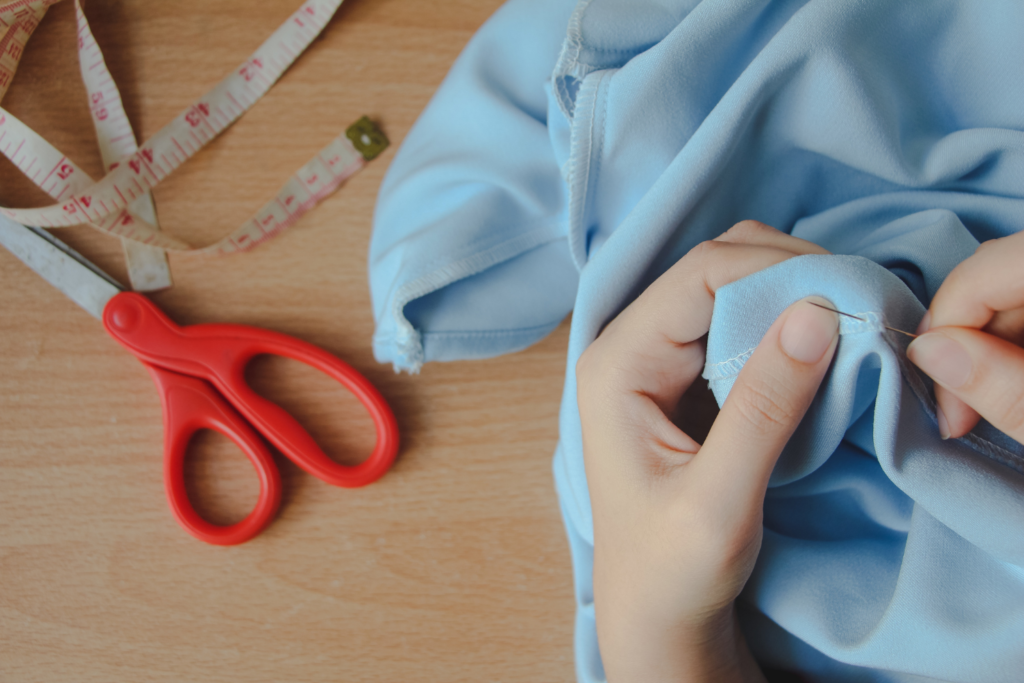
Basic sewing once felt as standard as tying shoelaces. Threading a needle, aligning fabric edges, and anchoring a button gave kids a taste of self-maintenance—small stitches packed with focus and fine motor control.
A coat with a missing button didn’t mean tossing it out. A quick mend revived it, often with a thread color that didn’t perfectly match but told a story anyway, tucked just beneath the collar or sleeve.
6. Climbing trees safely and knowing how to get down.

Tree climbing once came with an unspoken syllabus: inspect the trunk, test the lower limbs, move slowly. Kids knew to feel each branch before trusting it, eyes scanning for breaks or rough bark.
Coming back down took more planning than the climb. Whether barefoot or in canvas sneakers, knees hugged the bark, fingers searched for familiar grooves, and the descent marked a quiet win—independence earned, not assumed.
7. Making simple meals without recipes or adult help.
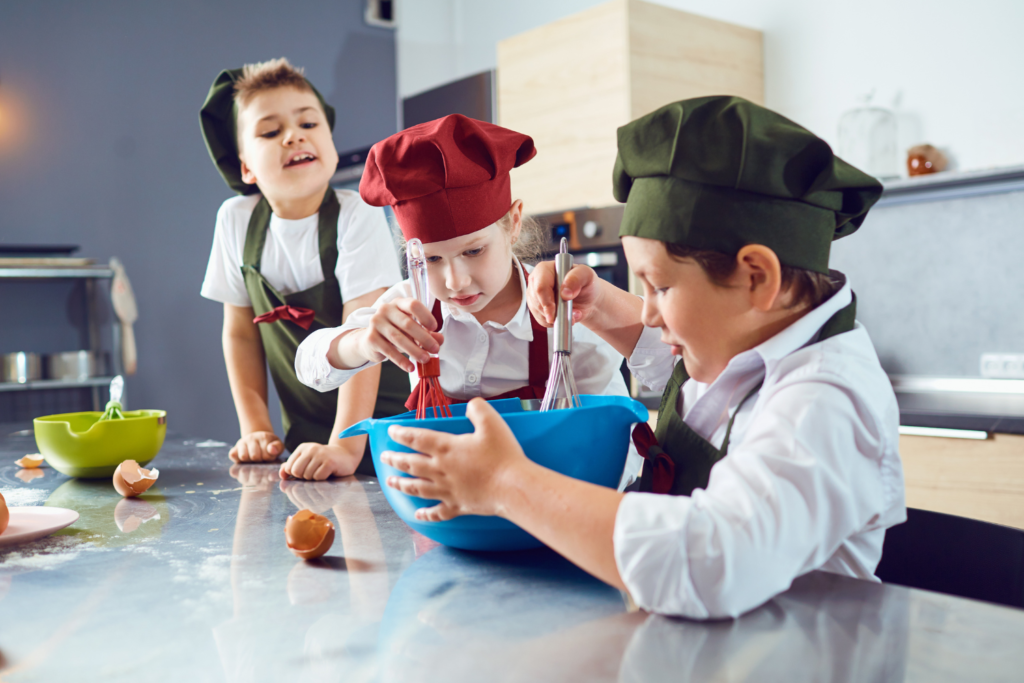
Making meals solo didn’t need chef skills or timers, just comfort with a stovetop or cold ingredients. Toast, canned soup, scrambled eggs cooked unevenly in a scratched pan—these small efforts signaled capability.
Without relying on adult hands or precise instructions, each meal built confidence through small improvisations: a slice of cheese melted over noodles, jelly used when jam had run out—simple choices shaped personal taste and self-trust.
8. Whittling sticks or making basic nature crafts with a pocketknife.

A pocketknife didn’t mean danger; it meant patience, permission, and practice. Kids stripped bark from sticks, carved notches, and learned how wood grain resisted or gave way with each stroke.
Nature crafts came from found objects, not pre-packed kits. A peg doll from a twig, a V-notch whistle—it wasn’t about polish but tactile understanding of shape and tool, plus care not to nick thumbs wrapped in Band-Aids.
9. Writing and mailing letters without relying on technology.
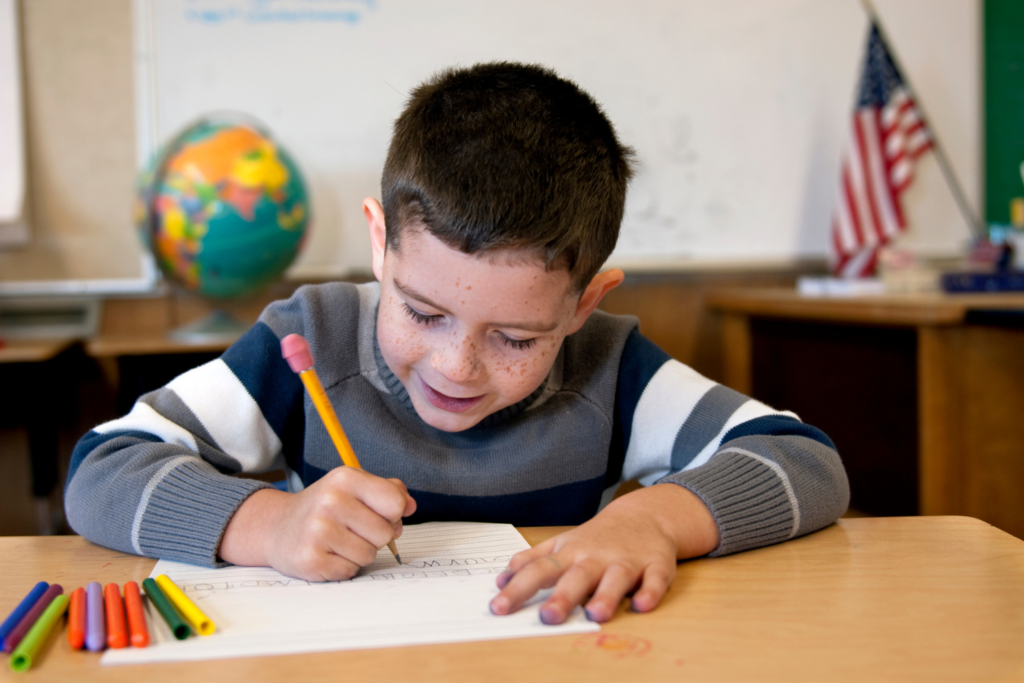
Letter writing started with scratch paper and stationers’ envelopes stored in a kitchen drawer. Grammar mattered less than thoughtfulness; handwriting curled or slanted across ruled lines in penciled or inked form.
Stamps placed at a slight angle sent birthday news, summer updates, or questions across miles. Kids learned how mailboxes worked, how long things took, and how it felt different to wait for answers rather than notifications.
10. Playing unsupervised for hours while managing risks independently.
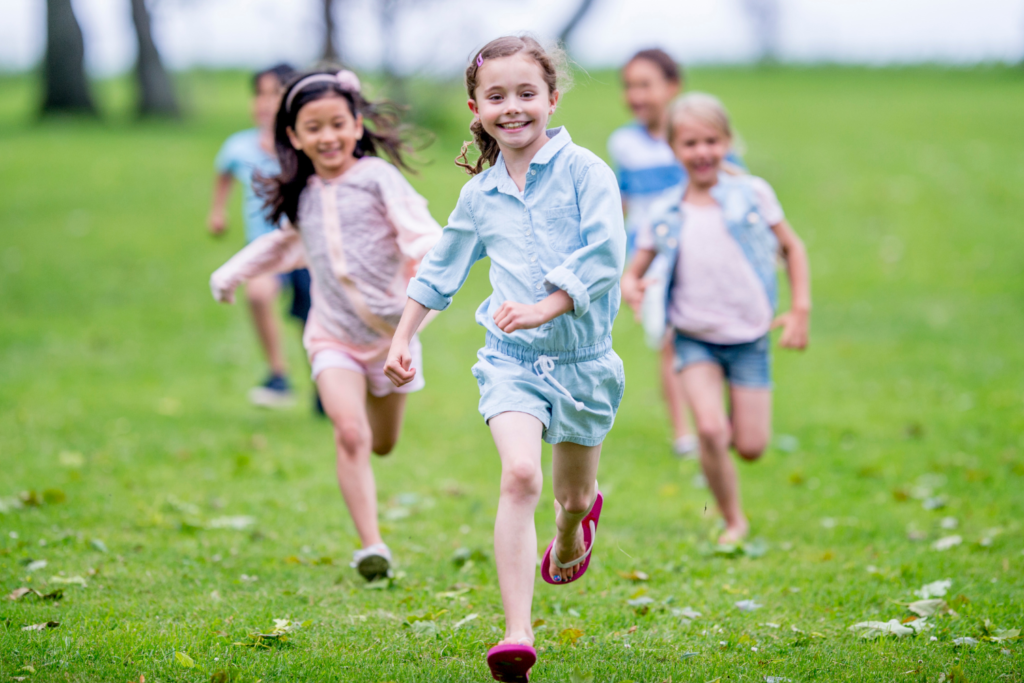
Unsupervised play stretched past lunch without check-ins or pings. Kids climbed, wandered, got dirty, and handled squabbles with no adult referee in sight. Scrapes were honorable, not emergencies.
The absence of constant oversight taught immediate judgment—when to stop, when to push, when to patch a knee and keep going. Freedom looked like a baseball field with no benches, just bags for bases and a loose idea of innings.
11. Using a payphone and memorizing important phone numbers.

Using a payphone meant having quarters ready and numbers memorized. Kids dialed home, recited their planned stops, or left short messages under the time limit’s quiet pressure.
The process left no trace once the call ended. Memory handled the archive—a best friend’s number scrawled on a lunch napkin or parents’ digits repeated until they stuck, even when sun glare or nerves blurred the keypad.