
Some generational critiques reflect deeper shifts in values, communication, and expectations between age groups.

Tensions between Boomers and Gen Z often center on lifestyle choices, work habits, and communication styles. While many of these criticisms stem from misunderstandings, some reflect real generational differences shaped by rapid cultural and technological change. Examining these concerns with context and empathy can reveal useful insights rather than stereotypes. Exploring why these complaints exist helps unpack broader shifts in how generations define success, connection, and respect in modern life.
1. Gen Z relies too much on screens for daily interaction.

FaceTime, DMs, and group chats have largely replaced in-person meetups for many young adults. Digital platforms provide community, but they also shape social comfort zones where messages are filtered and delays are normal.
Social ties formed entirely through a screen can feel weightless in physical settings. A group of friends texting through lunch while barely speaking aloud isn’t rare, and that shift unsettles generations who equate conversation with faces, not avatars.
2. Younger workers expect rapid promotions without paying their dues.

Seniority once meant slow, steady advancement—decades in, you reached the corner office. Some Gen Z workers arrive with more fluid expectations, where skills matter more than tenure.
Older colleagues may see that outlook as skipping steps, but digital-native careers often reshape the ladder entirely. When you grow up building content, portfolios, or coding scripts for anyone online, promotions can seem more merit-based than milestone-driven.
3. Many Gen Zers lack confidence in face-to-face communication.

Language smooths with repetition, and many Gen Z adults haven’t logged the same hours in unscripted conversation. With fewer chances to practice public speaking or off-the-cuff exchanges, confidence can drift.
Anxiety often starts small, like hesitant eye contact or avoiding phone calls. So in an office where chats happen over cubicle walls, someone raised on chat apps might hesitate before voicing ideas.
4. There’s a tendency to avoid difficult conversations through silence.

When uncomfortable topics come up—feedback, breakups, awkward feelings—some Gen Zers default to retreat. Silence, read receipts unacknowledged, days without replies: absence becomes communication.
Those quiet gaps often speak louder than words, but they confuse others used to direct resolution. A coworker waiting for updates or a friend ghosted after conflict may misread withdrawal as disinterest rather than discomfort.
5. Gen Z prioritizes flexibility over traditional job stability.

Steady paychecks, single employers, and long careers at one company once signaled adulthood. Gen Z, shaped by uncertainty and side hustles, tends to chase autonomy instead.
For some older workers, that shift toward micro-jobs and freelance gigs feels precarious. But for many young adults, choosing flexibility over corporate loyalty is a response to past instability, not immaturity.
6. They often blur the line between professional and casual settings.

Zoom calls made pajamas passable at meetings, and Gen Z didn’t invent that shift—but some take it further. Memes, slang, and casual tone often spill into workspaces historically built around hierarchy.
That relaxed style jars older colleagues when it overrides cues like posture, tone, or titles. A CEO called “dude” might smile outwardly while wondering if mutual respect got misread.
7. Too many expect instant gratification without patience for process.

Growing up with same-day delivery and tap-to-stream services conditions expectations. Many Gen Zers have never waited a week for photos to develop or stood in a checkout line bored.
That frictionless pace lifts efficiency but can erode persistence. The first glitch in a process or delay in response can trigger frustration—not because of entitlement, but because delay itself feels unfamiliar.
8. Gen Z can be overly sensitive to differing opinions.
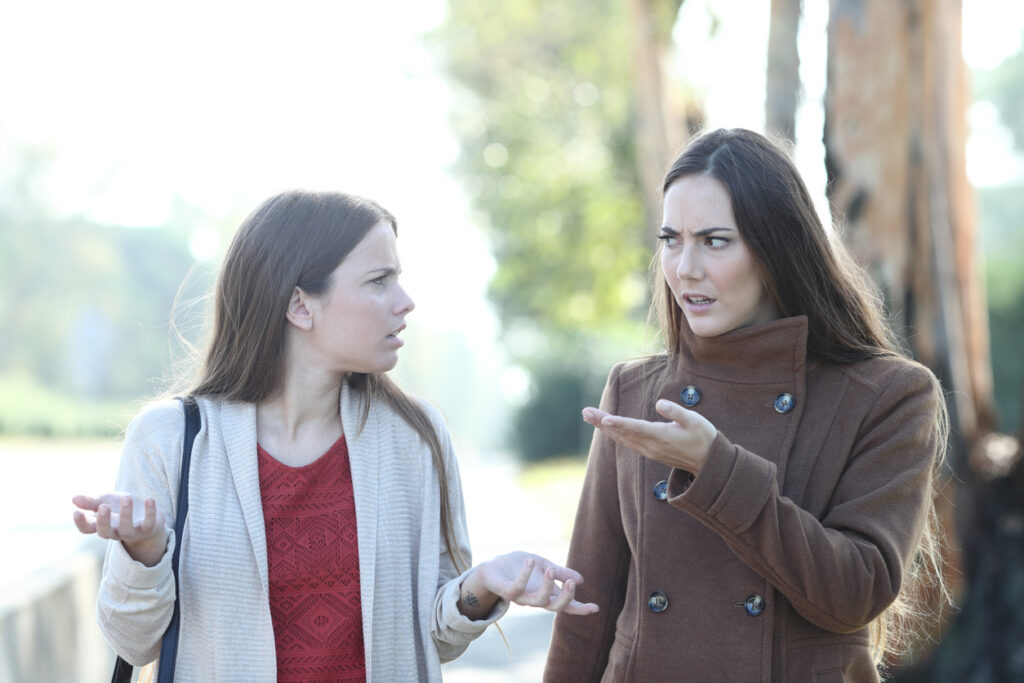
Disagreement, once part of polite conversation, now sits under a sharper lens. For some Gen Zers, conflicting views—especially around identity or justice—can feel like personal threats.
Older generations often hear this as oversensitivity, but Gen Z’s online upbringing built reflexes for defensive listening. In a comment thread or real room, discomfort often signals harm—not just a difference of opinion.
9. They lean heavily on trends instead of building timeless habits.

Fashion cycles faster, and social media favors novelty. Gen Z often samples habits like aesthetics: journaling one month, meal-prepping the next.
For an older generation grounded in consistent routines, that swapping seems unstable. What looks like a lack of discipline may be a modern redefinition of self-improvement—less about long-term mastery, more about adaptive identity.
10. Many young adults are disengaged from local civic involvement.

Civic life once meant school boards, town halls, and volunteering Saturdays. Gen Z’s engagement often unfolds digitally or through broad causes with distant scope.
While some young adults organize climate strikes or advocate on social platforms, fewer track local races or zoning changes. That gap troubles Boomers who see stable communities as the fruit of nearby effort, not digital reach.
11. There’s a reluctance to embrace manual or hands-on work.

Tasks like mowing lawns, fixing bikes, or staining decks feel second-nature to older generations. Many Gen Zers grew up outsourcing those chores or skipping them altogether.
It’s not laziness—just a different economy. With fewer shop classes and more screens, hands-on skills faded from daily life. That absence gets mistaken for avoidance, though it often traces back to access, not attitude.