
Seniors without partners often build strong emotional support through connection, structure, and shared purpose

Growing older without a life partner doesn’t mean growing more isolated. Many seniors find deep emotional support in alternative ways, from fostering friendships to maintaining meaningful routines. Whether through volunteering, joining local groups, or caring for pets, they create a sense of connection and purpose. These activities not only fill the day—they help build emotional resilience and well-being, reinforcing the truth that meaningful relationships come in many forms at any stage of life.
1. Join local clubs to connect with people who share interests.

Community clubs offer built-in connection points. Seniors often gravitate toward groups centered on books, gardening, or local history, where regular meetings and shared focus create comfort. A month into a neighborhood walking group, names become familiar, and casual chats turn into deeper conversations.
Over time, that familiarity builds a quiet trust. It’s not overnight intimacy, but the repeated presence offers a steady rhythm of companionship. For someone aging alone, showing up at the same table each week—with coffee in hand and faces that smile back—can anchor even uncertain days.
2. Adopt daily routines that create structure and lift their mood.

Established routines give shape to unstructured time. Preparing tea after breakfast or listening to the same morning radio show offers small rituals that ground the brain. The predictability can soften anxious edges and gently mark the passage of each day.
While these habits are private, their emotional weight holds steady. Folding laundry while a favorite record plays or opening curtains at the same hour daily signals continuity in a world that sometimes feels unpredictable. That structure becomes a quiet ally for emotional steadiness.
3. Volunteer regularly to feel purposeful and build community bonds.

Helping others promotes a sense of value. When seniors volunteer—handing out meals at a food pantry or reading aloud at a library—they take on a role that affirms their experience. That contribution becomes more than activity; it’s recognition in action.
Unlike paid work, volunteering adds flexibility without stripping meaning. One afternoon stocking shelves with a chatty team can spark conversations that ripple into friendships. Being useful, surrounded by people with purpose, fosters emotional connection in ways that solo tasks rarely do.
4. Keep in touch with friends through frequent calls or visits.

Regular communication becomes an emotional safety net. Many seniors prioritize frequent phone calls or coffee visits with longtime friends, cultivating touchpoints that reinforce memory and belonging. A familiar voice on the line can feel like a porch light left on.
These chats—often about weather, shared pasts, or neighborhood changes—do more than pass time. They validate presence. Maintaining those ties takes effort, but the reward is reciprocal warmth and the subtle knowledge that neither party is truly alone.
5. Explore journaling as a way to process feelings and events.

Journaling transforms scattered thoughts into coherent inner dialogue. Writing each morning or evening helps untangle emotions, reframe disappointments, or record small joys. The pen becomes a companion, as pages slowly hold the weight of lived days.
In quiet homes or before sleep, the act can settle restlessness. One widow discovered that noting three things she appreciated each day shifted her grief into something rounder, less sharp. The process is introspective but deeply connective—especially with oneself.
6. Take group fitness classes that combine movement with social time.

Group fitness classes blend physical movement with casual company. Whether it’s water aerobics or tai chi in the park, these gatherings offer a built-in framework for interaction. Movement loosens the body, but shared effort often loosens conversation, too.
Over weeks, classmates begin to remember each other’s stories—who just became a grandparent, who’s rehabbing a knee. That mix of sweat and laughter builds low-pressure connection, where companionship grows between stretches and steps without needing formal commitments.
7. Attend support groups to share experiences and feel understood.

Support groups offer space to speak openly without judgment. In circles focused on bereavement, chronic illness, or transition, participants often find comfort in being both heard and understood. The shared struggle becomes a bridge rather than a wall.
Unlike casual socializing, these conversations don’t brush past pain. A man grieving a spouse might find language for his loneliness among others who nod in quiet empathy. Those settings can deliver not solutions but solidarity—and for many, that’s enough.
8. Practice mindfulness techniques that ease loneliness and foster calm.

Mindfulness practices train the attention to stay present. Older adults often use breathwork or guided meditations to soften the sharpness of solitude and reduce emotional strain. A brief daily practice—eyes closed, hands steady—can quiet mental clutter with surprising precision.
The benefits extend beyond the session. One woman noticed walking her block became less rushed, with each tree and sidewalk crack feeling more vivid. Mindfulness doesn’t remove isolation but reshapes the quality of alone time into something less harsh, more whole.
9. Create art or music as a personal outlet for self-expression.

Painting, sculpting, or playing music allows expression without explanation. Creative work gives intangible feelings a form—bright brushstrokes for nostalgia, shifting melodies for unmet longing. Seniors often find this self-generated outlet helps them filter complex emotions organically.
Even solitary creation holds connective power. A widower composing piano pieces in his den may later share them with a local music circle or online group. In that feedback loop, solitude and affirmation coexist—and sometimes, collaboration quietly blooms.
10. Care for pets that offer companionship and a steady routine.
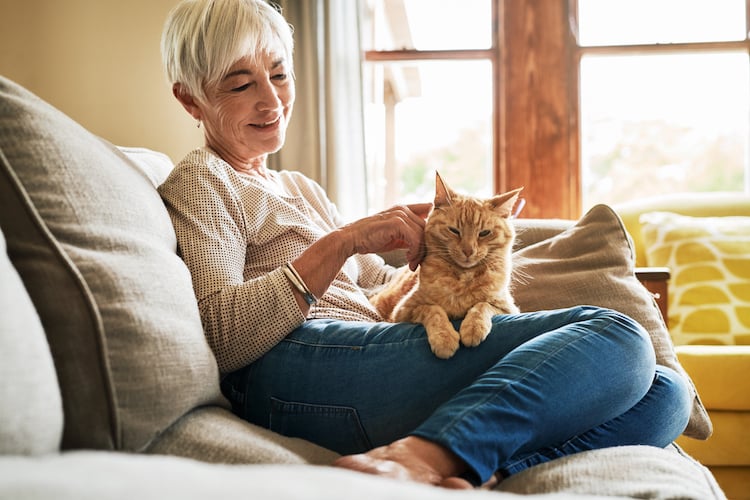
Caring for an animal lends structure and companionship to daily life. Dogs require early walks; cats wait by the pantry. That steady presence can wake a quiet house with movement, noise, even the small mess of paw prints on tile.
Animals can’t converse, but they react with consistency. A senior who feeds and talks to a pet each morning receives a sense of being needed—and remembered. That relationship isn’t verbal, but through habit and attention, it speaks volumes in return.