
From cast iron to Crockpots, these dependable favorites still earn their place in Boomer homes.

Not every item from the 1970s was a fleeting trend. For many Baby Boomers, certain goods bought decades ago remain daily staples, prized for their durability, simplicity, or sentimental value. These objects—from analog appliances to timeless home furnishings—offer more than function. They reflect an era when many products were made to last, with quality often measured in years of dependable use rather than flashy features or rapid upgrades.
1. Crockpots that still slow-cook Sunday dinners to perfection.
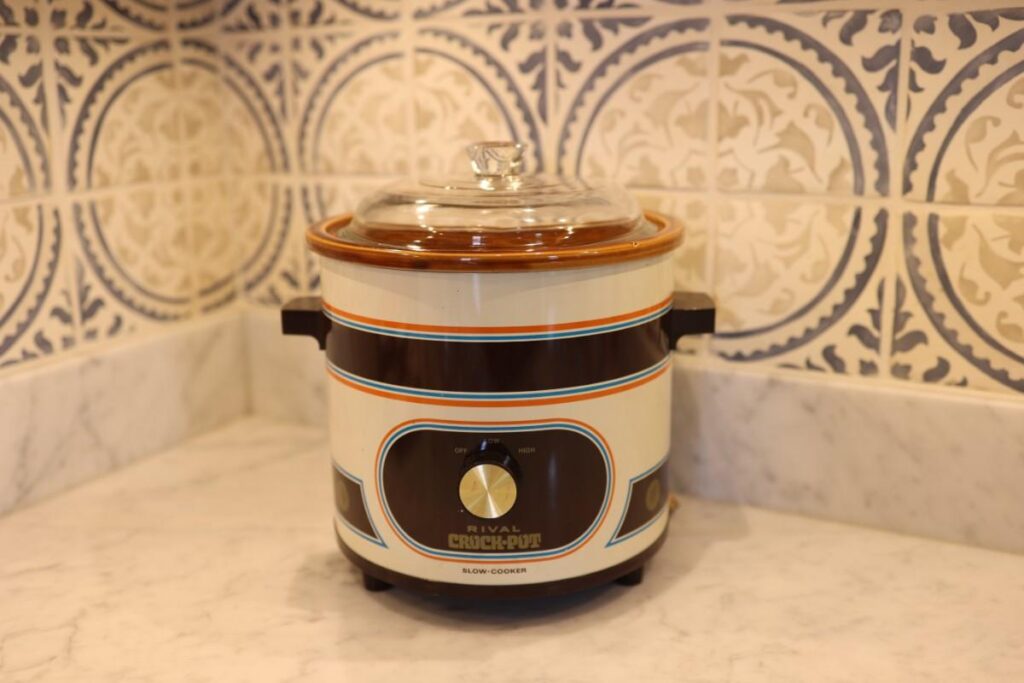
The original Crockpot, with its thick ceramic insert and low-temperature heating coil, made its mark with consistency and simplicity. Once nestled on laminate countertops beneath hanging macramé planters, these slow cookers still quietly simmer chili, pot roast, or apple crisp for Boomers who trust their even heat.
Part of the Crockpot’s appeal lies in its reliability—no menus, screens, or Bluetooth pairing—just a dial. For many owners, it hasn’t changed because it hasn’t needed to, delivering that same fork-tender texture on a Sunday after church or a weekday without fuss.
2. Cast iron skillets passed down and proudly seasoned through the years.
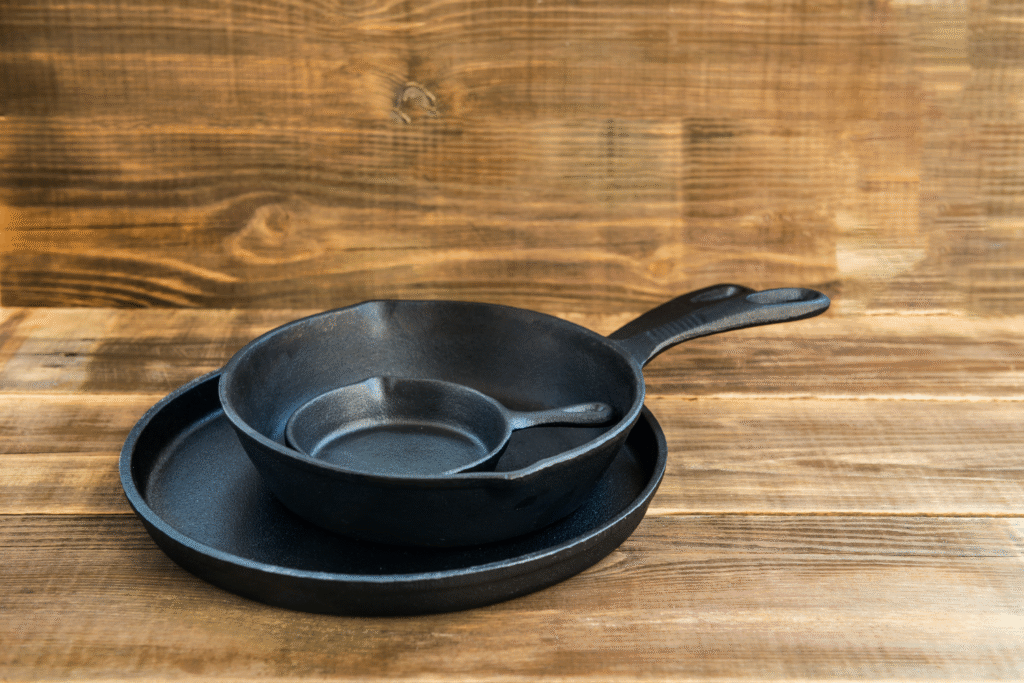
Cast iron skillets take on personality with age, their dark patina seasoning built from layers of meals over time. Many Boomers’ skillets trace back to wedding presents or hand-me-downs, their substantial weight and well-worn handles offering a tangible link to decades of cooking.
Unlike nonstick pans that come and go, these pieces endure because they’re nearly indestructible. A skillet that once sizzled bacon in a ranch-style kitchen might still fry eggs on a gas burner, its surface smooth from care—not factory coating.
3. Rotary phones that still ring with unmistakable charm and heft.
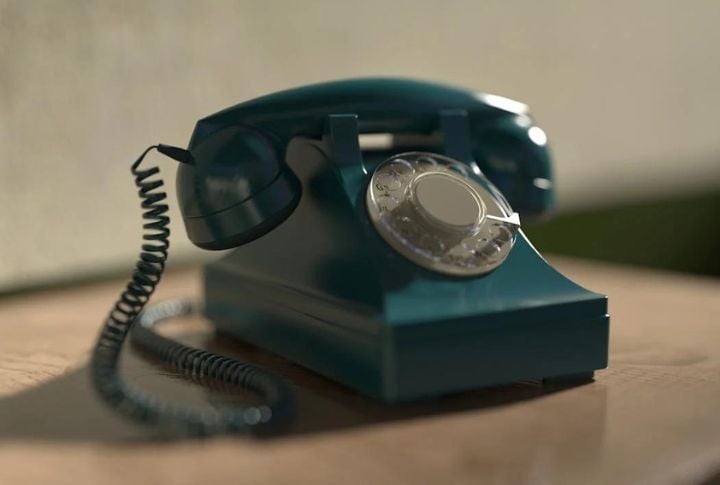
Rotary phones, with their heavy handsets and mechanical dials, deliver a tactile experience modern devices skip entirely. In homes where wall-mounted phone nooks still linger, some of these phones stay plugged in and functional, often surviving power outages where cordless models fail.
What keeps them in use isn’t just nostalgia—it’s utility built to last. A beige phone with a cloth-wrapped cord might ring out in a hallway, pulling someone back not just to answer a call but to remember how conversation used to flow without screens.
4. Classic Pyrex mixing bowls that never seem to chip or fade.
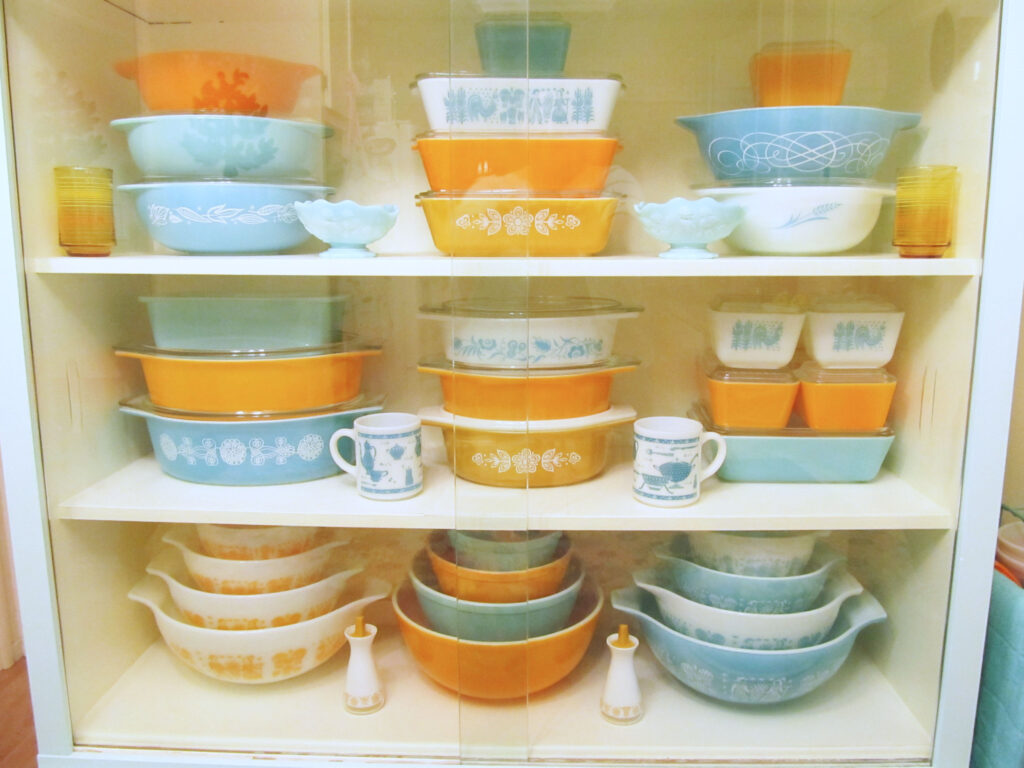
Pyrex mixing bowls from the 1970s came in bold, stackable sets—avocado green, goldenrod, and harvest orange—colored through glass rather than painted over. The tempered glass resists chipping and thermal shock, letting Boomers mix cookie dough or marinate chicken without worrying about fragility.
Even after years of dishwasher cycles and kitchen remodels, these bowls often survive intact. A sunflower-patterned Pyrex, nested in a cupboard alongside garlic presses and flour sifters, works like it always did—sturdy, balanced, and just the right size.
5. Vinyl record players that turn every playlist into an experience.

Vinyl record players never completely vanished, but among Boomers, their constancy stems from ritual—placing the needle, hearing the soft static before music begins. Many own turntables originally bought from catalogs or hi-fi shops, models with solid wood cabinets and styluses that still track smoothly.
The appeal isn’t only sound quality, though analog warmth plays a role. A record of Carole King or Earth, Wind & Fire spun in the same room for fifty years carries weight—not just nostalgia, but continuity in experience.
6. Waffle irons from wedding registries still sizzling decades later.
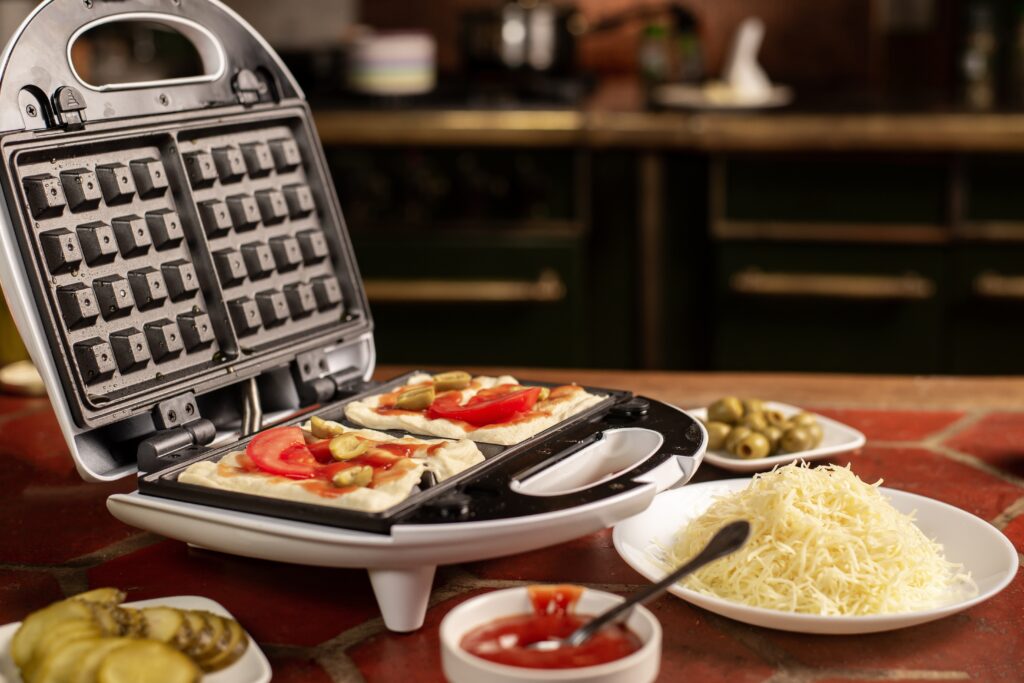
Many 1970s waffle irons had gleaming chrome bodies with bakelite knobs and fixed grates that browned batter evenly without bells or beeps. Once unpacked from floral-lined wedding registry boxes, they found permanent spots on kitchen shelves, still toasting grids crisp a generation later.
The iron’s longevity comes partly from practical design—fewer moving parts—and partly from sentiment. The same iron that made Sunday waffles for growing kids now does so for grandkids, warming both plates and memories with its familiar clamshell snap.
7. Manual typewriters that click with nostalgia and lasting reliability.
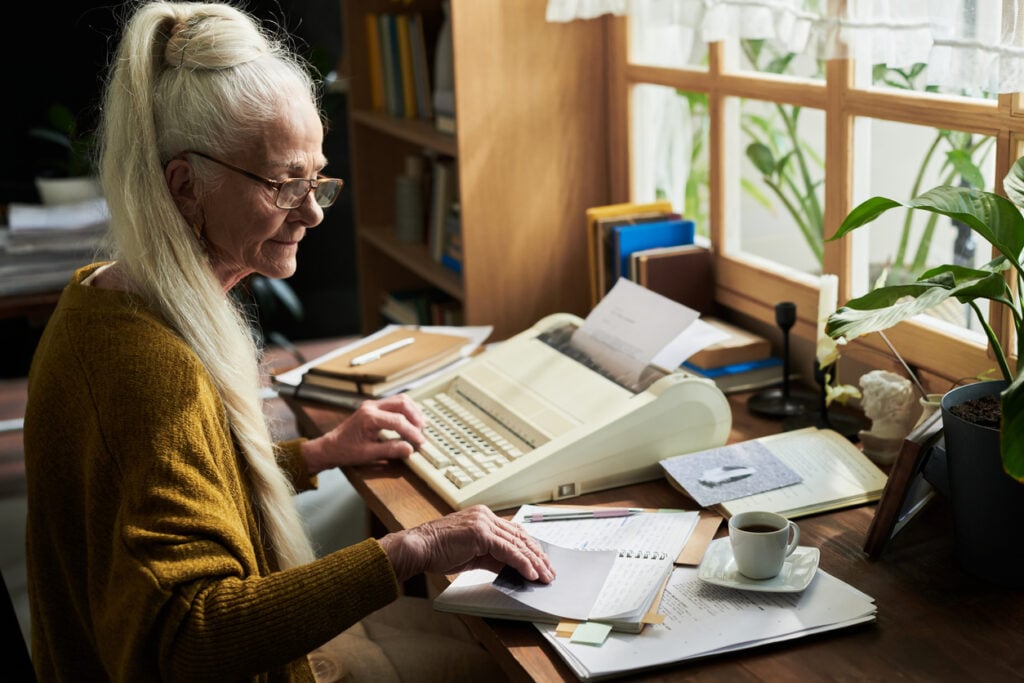
Manual typewriters, often stashed in hard-shell cases or perched on rolltop desks, still click with authority. Unlike modern keyboards, their keys press levers that strike ribbon to paper, giving each letter weight and noise. Boomers who learned touch-typing this way often never unlearned it.
Some machines carry brand badges like Remington or Smith-Corona, their mechanical switches untouched by software updates or charging cables. Writing a birthday card or label on such a sturdy device can feel precise—an act of intention, not just convenience.
8. Percolator coffee pots bringing bold aroma to quiet mornings.
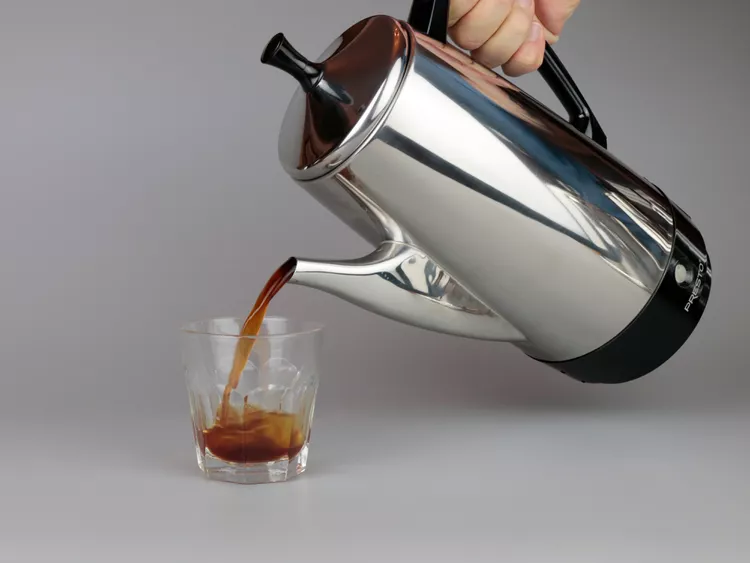
Percolator coffee pots cycle steaming water up a metal tube and over grounds, producing coffee with a distinctively bold aroma. Made from stainless steel or aluminum, many units still brew on stovetops or electric bases, their rhythmic bubbling familiar as a morning wind-up.
Unlike drip machines, percolators infuse a little theater into brewing. The same pot that once gurgled in a camper or corner kitchen still earns its place for those who prefer strong, hot coffee—and don’t mind watching the process unfold.
9. Sturdy sewing machines still stitching curtains and keepsakes.
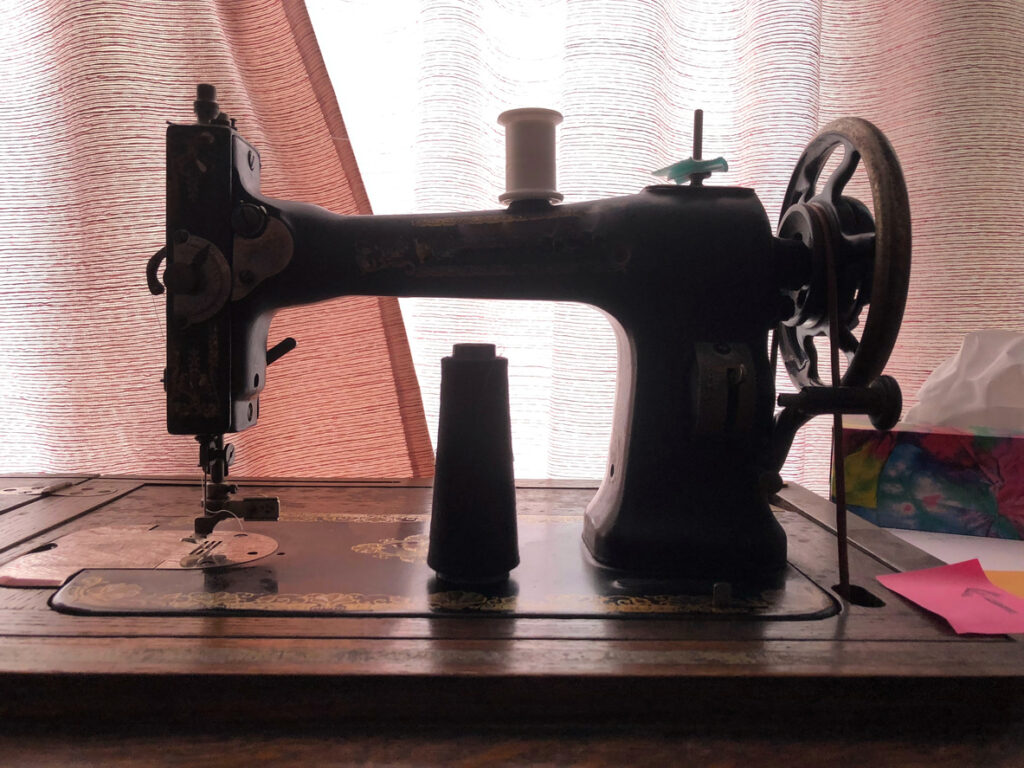
Sewing machines from brands like Singer or Kenmore came housed in wood cabinets or padded cases, with heavy-metal parts that hum and clack instead of whir. A foot pedal, dial tension adjustment, and mechanical bobbin system define their slow but steady rhythm.
Though computerized models dominate new sales, many Boomers trust what they know. A floral curtain hemmed in the ’70s and a grandchild’s Halloween costume two generations later may share the same thread, stitched one careful line at a time.
10. Mid-century recliners that remain the coziest seat in the house.
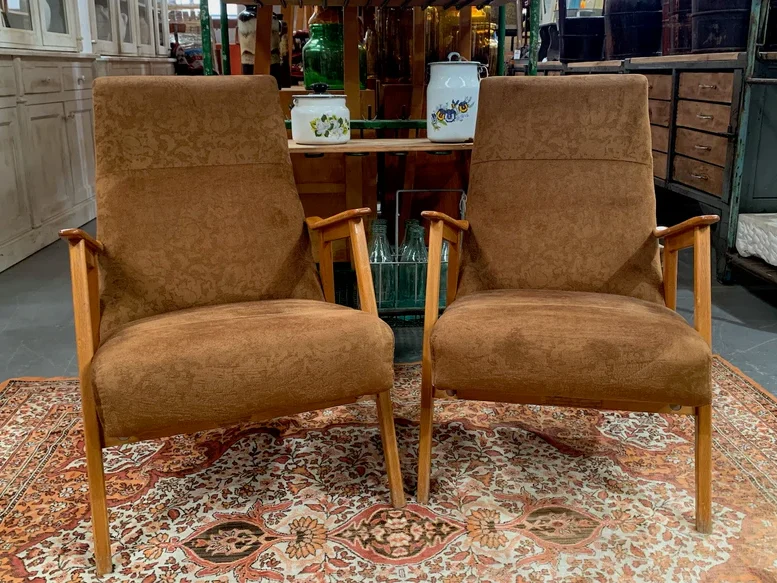
Mid-century recliners with tall wingbacks, plush armrests, and pop-up footrests stay rooted in living rooms where oak-paneled walls once reigned. Built on wood-and-steel frames, their dense cushions may sag slightly, but still cradle the sitter with a familiar sigh and creak.
No need for USB ports or cup holders—what matters is the comfort molded over years of naps, novels, and late-night TV. A plaid recliner that once faced a Zenith console might now swivel toward a flatscreen, still a favorite seat, still home base.