
Age, experience, and traditional values deserve respect—not regret—especially in a shifting cultural landscape.

As expectations evolve across generations, Baby Boomers can feel pressure to apologize for choices shaped by time, not error. But many of their preferences—from how they communicate to the pace they keep—are rooted in experience, not resistance. Rather than framing these behaviors as outdated, it’s time to recognize their value. Embracing who you are, and how you got here, isn’t backward—it’s grounded. Confidence doesn’t require compromise when clarity already speaks volumes.
1. Speaking their mind in a calm and respectful manner.

Direct communication that’s calm and thoughtful builds bridges, not barriers. Many Baby Boomers grew up learning to weigh their words and deliver them with intent, favoring steady eye contact over quick consensus. It’s not about volume—it’s about clarity, context, and understanding what’s worth saying.
In a room where conversations race and attention flickers, that kind of presence still counts. Slower speech doesn’t signal resistance; it reflects the value of reflection. A gentle but clear stance can smooth over generational gaps more effectively than rushing to agree or apologizing for being thorough.
2. Taking quiet time for themselves without feeling guilty.

Silence no longer signals laziness. For many Boomers, taking time alone isn’t a retreat—it’s a well-earned pause. Whether it’s a solo walk, a familiar paperback, or just standing in the garden at dusk, quiet time remains a reliable anchor.
Modern culture often spins around urgency and constant updates, but the need to recharge hasn’t disappeared with technology. Stepping back doesn’t mean disconnecting from others; it means returning more centered. A quiet hour in a favorite chair can do more for clarity than scrolling through noise.
3. Choosing comfort over fashion in their everyday routines.

Choosing soft shoes over sleek ones or prioritizing loose fabrics over sharp lines isn’t giving up—it’s choosing ease with intent. Many Boomers who once wore suits daily now recognize the value of clothing that supports rather than constrains.
Comfortable choices don’t cancel style; they reflect evolved priorities. A well-worn cardigan speaks of continuity, not neglect. When fabric relaxes and shoes support rather than pinch, it’s not an accident—it’s the outcome of knowing what works beyond image.
4. Maintaining traditional values that feel true to their identity.
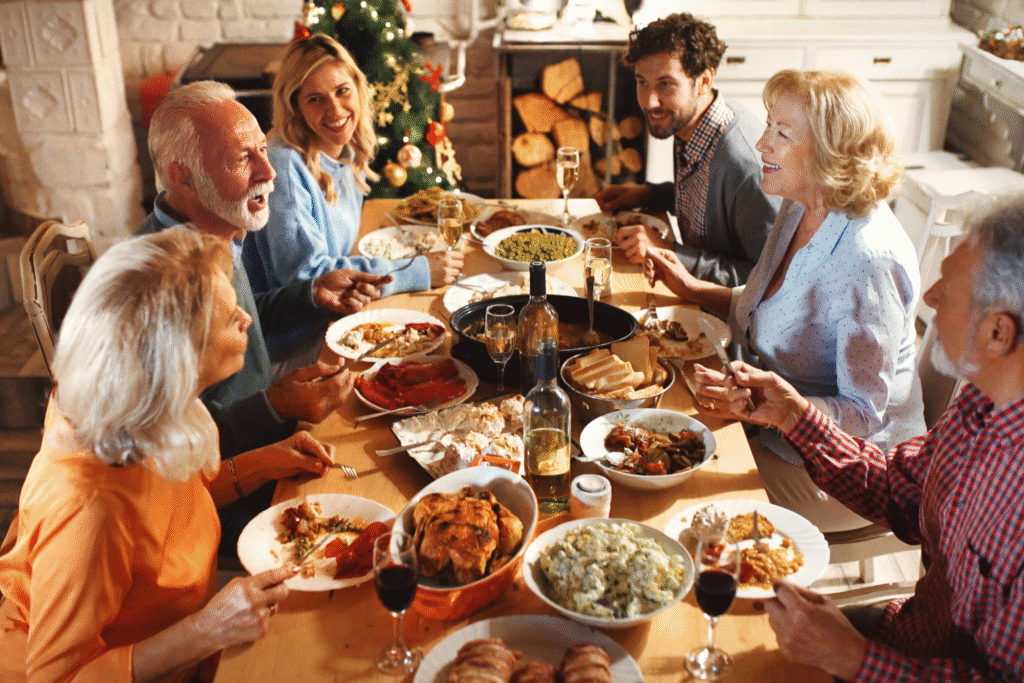
Holding to long-practiced values doesn’t signal stagnation—it reflects a lifelong foundation. Principles built during years of social change, family raising, and community building carry a weight that newer trends don’t easily displace.
That grounding still supports steady relationships, responsible decisions, and a broad view of history. While newer models surface quickly, values shaped by experience hold through uncertainty. The classics endure—for good reason. Respect, discipline, and fairness don’t expire with age.
5. Saying no to social plans that feel overwhelming or unnecessary.

Turning down an invitation doesn’t mean rejection—it often means self-preservation. Many Boomers have reached a stage where they understand what drains them versus what energizes them, and their decisions reflect that balance.
An early evening, a declined gathering, or a skipped event speaks to a deeper rhythm, not aloofness. Social stamina evolves. Knowing one’s limits with clarity can prevent burnout and preserve space for meaning over motion. It’s a choice, not a flinch.
6. Sharing wisdom gained from decades of personal experience.

Anecdotes from decades past aren’t just stories—they’re living archives. Shared experiences from family life, careers, and social movements connect the present to its roots, often shedding light where data falls short.
In fast-moving conversations, that kind of insight may not always trend, but it stays relevant. Mentioning how a cassette-player worked or how community ties once functioned is not detour—it’s context. Wisdom isn’t measured by how current it sounds but how often it proves useful.
7. Sticking to routines that help them feel grounded and stable.
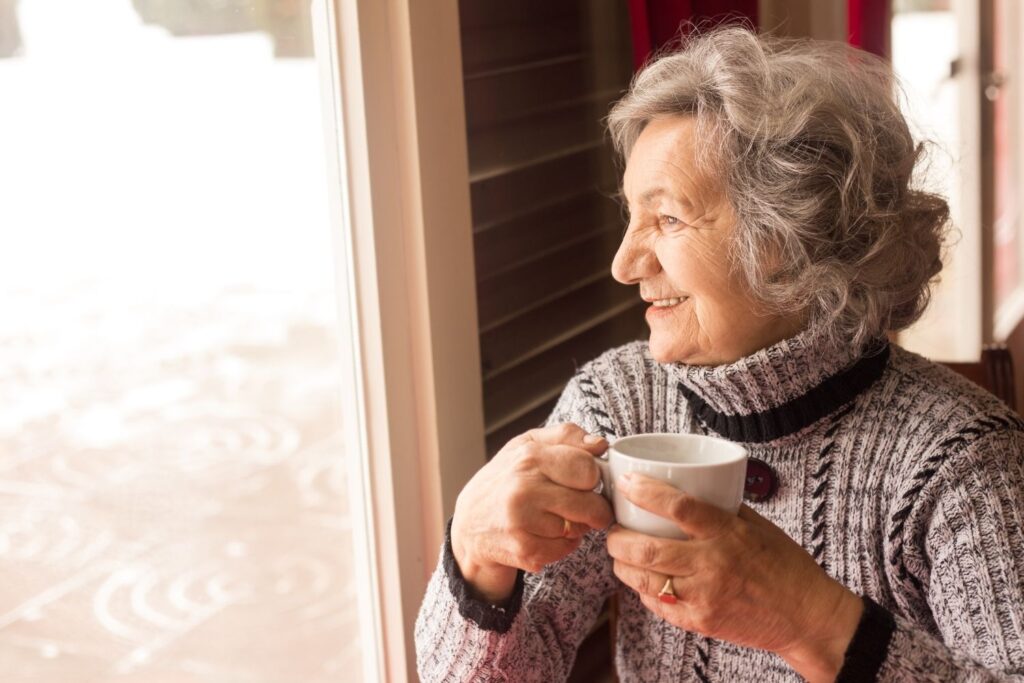
Simple rituals—coffee at 7, a midday paper, a tidy nightstand—provide rhythm in a scattered age. Many Boomers have grown attached to habits that anchor them, often shaped before digital reminders or remote work.
Routine offers more than repetition. It gives consistency in a world that spins faster every year. A familiar morning radio voice or a full grocery list on paper does more than keep things running—it reminds them who they are, and how they like to move through the day.
8. Embracing nostalgia for music, movies, and memories they love.

Old favorites, from Fleetwood Mac to black-and-white TV shows, often resurface in a Boomer’s day with surprising clarity. These aren’t just memories—they’re markers of identity, tied to specific feelings, colors, and environments.
Updates may come quickly, but comfort from the familiar rarely fades. Singing along to a well-worn record or rewatching a scene from a dusty VHS adds more than amusement. It grounds the moment—and sometimes, that’s enough to feel right-sized in a fast, crowded world.
9. Prioritizing face-to-face conversations over digital communication.
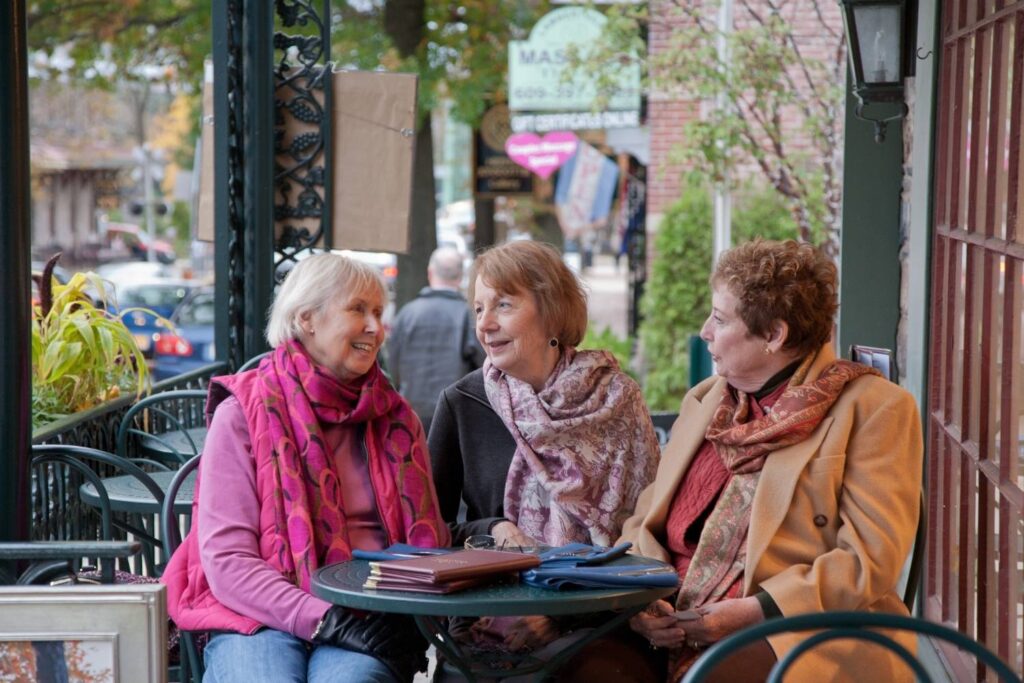
A voiced word over a blinking message still holds power. Many Baby Boomers lean into face-to-face interaction—not from tech resistance but because years of in-person dialogue have shaped their trust in nuance.
Tone, eye contact, pauses—they all do what emojis can’t. While screens save time, they flatten context. Choosing a hallway chat or kitchen table talk reflects understanding, not avoidance. It honors the complexity of real presence.
10. Taking pride in the years and life lessons behind them.

Crow’s feet, laugh lines, and the quiet authority of memory all speak to time well spent. For many Boomers, pride in their years isn’t vanity—it’s recognition that longevity builds perspective.
Experience brings both the stories and the silence between them. A weathered hand or confident pause in conversation signals not age alone, but presence. In a culture that skims, rootedness becomes its own kind of influence—and it doesn’t need apology to stand tall.