
Gen Z leans toward texting for its flexibility, comfort, and lower emotional demands than calls

Generation Z grew up with digital communication as the norm, making texting a natural choice over phone calls. But this preference goes beyond convenience. Texting offers more control over timing, tone, and privacy, especially for those managing packed schedules or social anxiety. It’s also a way to stay connected without the emotional weight or interruption of a voice call. Understanding these preferences helps bridge generational gaps in how we communicate today.
1. Texting offers more time to think before responding.

Texting unfolds at your own pace. Instead of rushing to reply mid-sentence, someone can pause, collect their thoughts, or double-check a detail before responding. The back-and-forth delay allows control over tone and content—like reading through a text twice before pressing send.
Quick decisions can feel riskier in live conversations. A phone call might catch someone at the grocery store or between classes, forcing a response they later regret. Texting makes space for reflection, which many Gen Zers value more than immediate answers or impromptu dialogue.
2. Phone calls can feel intrusive or emotionally intense.

Phone calls demand full presence, which can come across as invasive even when well-intended. The ring interrupts and creates urgency, often catching someone off guard or in a setting that doesn’t feel private. Texting, in contrast, waits silently in the background.
That silent permission to respond when ready reshapes how Gen Z approaches relationships. A message sent during a bus ride or quiet moment doesn’t demand energy the way a midweek check-in call might. For many, lower emotional intensity helps preserve connections rather than straining them.
3. Written messages provide a helpful record of conversations.

Texts act like breadcrumbs. Each message becomes part of a searchable thread—an exact date, a link, or a quote is always right in view. Nothing dissolves into thin air the way spoken words over a call often do.
In busy lives, this written trail offers peace of mind and clarity. A group project update or event time doesn’t rely on memory alone—it’s tucked into the thread. That archive, casually built one message at a time, quietly saves time and prevents confusion later.
4. Group chats make texting a more social experience.
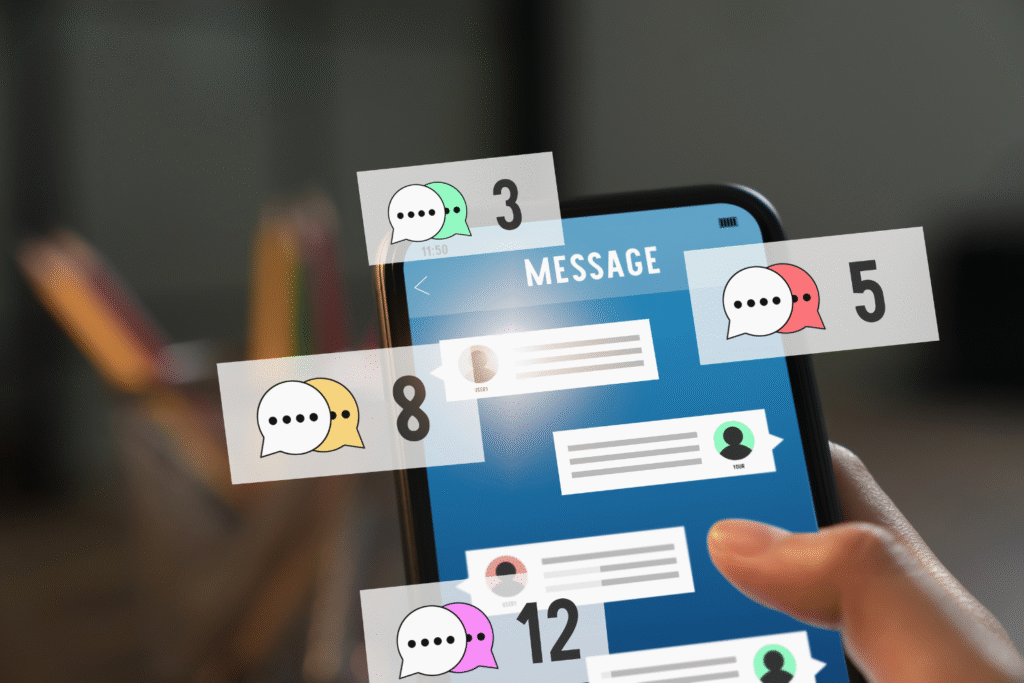
Group chats create miniature hangouts that shift throughout the day. One moment holds inside jokes, the next a logistics update. No one has to keep talking to stay included; presence becomes as simple as glancing at a screen.
Unlike calls, which exclude the unavailable, group texts allow fluid participation. A friend can reply hours later with a meme or a comment and remain part of the moment. That flexible rhythm makes social interaction feel less like an appointment and more like community.
5. Texting allows multitasking without full attention.

Texting fits into fragmented schedules. You can write mid-scroll, in line for coffee, or while watching a show. Unlike speaking, it doesn’t require full attention or a quiet space to engage properly.
That compatibility with multitasking supports a laid-back communication style. Conversations can stretch over hours without stress, and still feel connected. While a phone call insists on now and only now, texting adapts to life’s uneven flow without demanding too much in return.
6. Emojis and gifs help express tone without awkwardness.

Tone can get muddled in plain text, but emojis and gifs give it color. A single upside-down smiley replaces five sentences of nuance, lightening the mood or softening a flat statement. They’re quick, expressive, and widely understood.
For Gen Z, raised alongside this digital shorthand, gifs serve as emotional punctuation. A dancing cat or a dramatic eye-roll says what might feel awkward to voice aloud. That visual layer often turns simple exchanges into playful, textured interactions without pressure to perform.
7. Many Gen Zers feel more confident writing than speaking.

Strong writing skills feel more reliable to many Gen Zers than speaking off the cuff. Typing allows a second’s pause, backspace edits, or emoji swaps that clarify intent. It’s a different kind of fluency—quiet, deliberate, and shaped by practice.
In stressful moments, like asking a tough question or setting a boundary, writing avoids stumbling blocks. Instead of mispronouncing a word or losing their train of thought, someone can craft exactly what they mean to say. That confidence fuels preference, not avoidance.
8. Text-based communication feels more casual and low-pressure.

Casual doesn’t mean careless. Texting strips away the choreographed formality of greeting, tone, and close that calls require. You don’t rehearse your voice or worry about pauses; you just send what matters and go on with your day.
That low-pressure rhythm makes staying in touch easier. A short reply or reaction still counts as meaningful participation, especially when free time and mental energy don’t always line up. Communication shifts from demanding performance to sustained presence across moments, not just miles.
9. Phone anxiety makes real-time talking feel overwhelming.

Phone anxiety rests partly in unpredictability—what if it gets awkward, or someone misreads your tone? Talking in real time shrinks reaction space and places social demands that texting lets you sidestep.
A buzzing phone can feel like a pop quiz. That sense of being scrutinized without preparation pushes many Gen Zers toward written formats, where anxiety can be managed behind a screen. Texting provides more control over when and how to navigate social cues without emotional overload.
10. Most daily conversations are handled faster with texts.

Most conversations today aren’t deep-dive discussions—they’re logistics, check-ins, quick jokes. Texting handles those efficiently. A single line can update a friend, coordinate dinner, or share a meme without the overhead of a call.
Efficiency doesn’t mean detachment; just streamlined connection. While a phone call might require scheduling or undivided attention, text messages deliver impact without disruption. In a typical day filled with overlapping tasks, that speed keeps communication alive without slowing everything else around it.