
Older couples often choose separate homes to nurture independence and sustain strong love bonds.

Many older couples find that living apart offers a unique way to maintain both independence and intimacy. Choosing not to cohabit allows them to preserve personal routines and space while still nurturing a deep emotional connection. This arrangement can reduce potential conflicts and support relationship satisfaction by balancing time together with cherished solitude. Ultimately, strong partnerships thrive through clear communication and mutual respect, regardless of shared address.
1. They prioritize independence while maintaining a strong emotional connection.

Older couples often cherish their personal freedom, choosing to live separately while keeping a deep emotional bond. Independence becomes part of the relationship fabric. Feelings thrive without the shared walls. Emotional connection and vibrant personal lives coexist beautifully, removing assumptions of in-house proximity.
In this setup, both partners enjoy their respective worlds yet remain strongly bonded. The lack of enforced togetherness fosters a unique space for nurturing their relationship. A tapestry of independence and mutual affection forms, weaving individual experiences into shared memories without the necessity of cohabitation.
2. Living apart helps preserve personal routines and individual space.

For some older couples, maintaining individual routines and spaces provides harmony. Personal rituals—morning coffee at a favorite nook or evening walks—boost well-being. Having separate homes grants the stability of well-loved habits.
By living apart, they uphold personal order, minimizing disruptions from each other’s schedules. This arrangement fosters respect for each other’s time, further enriching the relationship. Stable personal environments contribute to long-term emotional health, reinforcing the shared understanding and affection that bind them.
3. They avoid potential conflicts that can arise from daily shared living.

Sharing a home can sometimes highlight minor irritations that lead to bigger conflicts. Older couples find that living apart can defuse potential arguments over daily logistics. No tussles over the remote or bathroom schedules.
Separate living spaces offer a buffer against friction. Both partners avoid the pitfalls of nagging over mundane issues. Positive interactions flourish, shifting focus from petty annoyances to meaningful exchanges. The physical distance may serve as a reminder of what they cherish most in one another.
4. Separate homes allow for more balanced time together and apart.

Maintaining separate residences enables couples to balance time together and alone. They savor each shared moment without sacrificing autonomy. Weekend dinners, cultural outings, or leisurely phone chats become rich experiences.
In this dynamic, solitude amplifies appreciation. Personal time apart resets the mental canvas, allowing partners to bring renewed energy to their interactions. The thoughtful choice of when and how to engage becomes a relationship strength rather than a constraint. This balance fosters a bond untroubled by the mundanity of everyday life.
5. Maintaining distinct social circles supports personal growth and happiness.
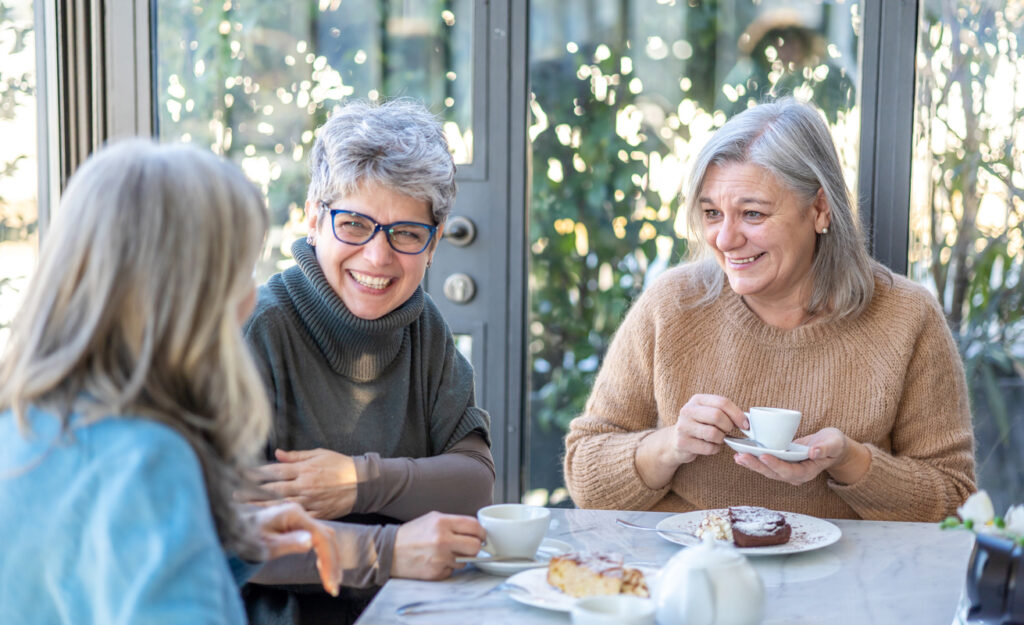
Distinct social circles embolden older couples to nurture personal growth, bringing fresh conversations and diverse perspectives into the relationship. Their socializing becomes a window into individual worlds, enriching shared life narratives.
Personal endeavors outside of the relationship replenish the mind and spirit, preventing stagnation. This expansive approach doesn’t dilute their bond but rather strengthens it. Each partner emerges from these social interactions with stories, ideas, and insights, contributing to a vibrant, evolving partnership.
6. It reduces the pressure to conform to traditional relationship roles.
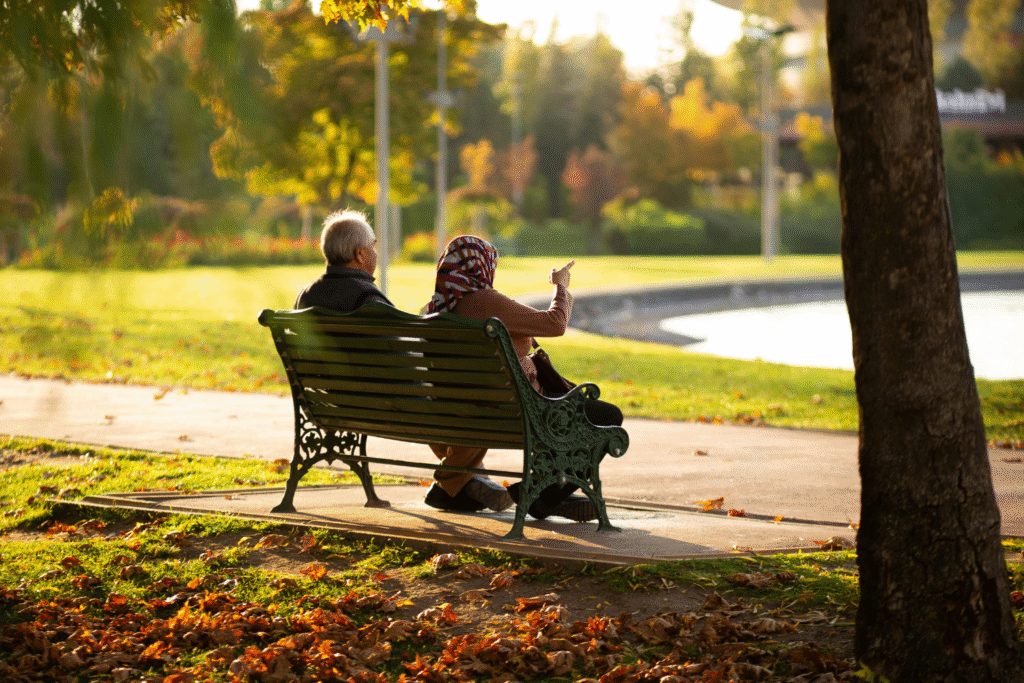
Disengagement from traditional cohabitation allows couples relief from conventional roles. Without joint domestic responsibilities, they dictate their terms of partnership. Freed from societal expectations, love defines the relationship rather than shared chores or routines.
This lifestyle choice discards prescribed dynamics, encouraging authentic self-expression. Flowing naturally, each person’s strengths blossom. The absence of traditional constraints fosters mutual respect, inviting genuine admiration. Each partner thrives in roles authentic to themselves, unhindered by external demands.
7. They value privacy, which can deepen trust and respect over time.

Valuing privacy can enhance respect and trust among older couples choosing not to cohabit. A sacred space for inner thoughts stays untouched, maintaining identity within the relationship. Privacy becomes a trusted ally, deepening mutual respect.
As trust matures, this regard for solitude enriches interactions. Guarded moments turn into opportunities for heartfelt communication, releasing vulnerabilities with ease. Identities remain intact while shared paths evolve organically. Such respect reinforces the loving framework, nurturing both autonomy and connection seamlessly.
8. Financial independence is easier to manage and less complicated this way.

Managing separate finances eases potential tensions among older couples. With separate living, individual financial independence becomes straightforward, reducing complexity. Clarity in finances supports peace of mind.
Such arrangements help skirt monetary friction. Each partner can pursue personal aspirations without financial entanglements impeding their path. Autonomy in fiscal matters lends itself to generosity without hidden burdens, allowing couples to focus on shared goals rather than monetary divides. Financial ease complements relationship harmony vividly.
9. Their relationship thrives on communication without the distractions of cohabitation.

Cohabitation distractions like housekeeping or maintenance give way to pure communication for couples living separately. Conversations flourish without daily obligations clouding the dialogue. Words, unburdened by logistics, become a foundation of connection.
The simplicity of being apart provides a clear canvas for regular, meaningful communication. Rather than dwelling on practicalities, discussions center on dreams, goals, and shared stories. This setup strengthens emotional ties where each conversation becomes a cherished event, free from the routine noise of shared space.
10. They create intentional, meaningful visits that reinforce their bond regularly.
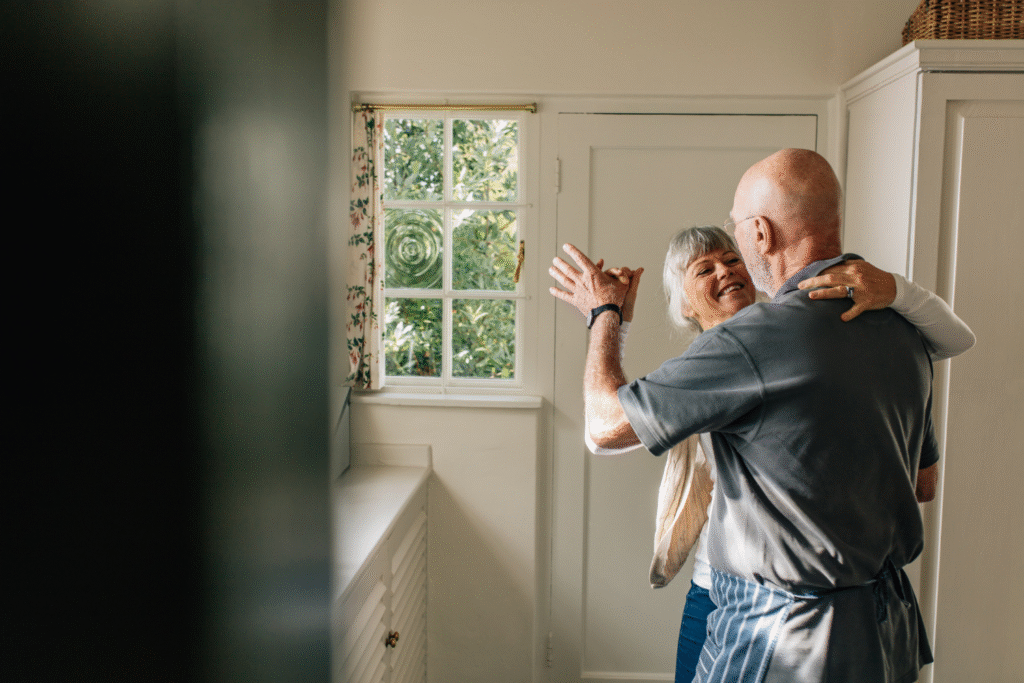
Older couples opting for separate living design their visits with intent and anticipation. Carefully planned meet-ups transform into special events. Each encounter furthers their bond profoundly.
Intentional visits symbolize commitment, counteracting the notion that proximity dictates affection. The rarity of time together enlivens each interaction, nurturing their emotional landscape. Through these purposeful engagements, their relationship deepens, unfazed by a lack of shared domestic ground. The result is a love untouched by mundane familiarity.