
Medieval themes hold lasting allure by blending fantasy, history, and a longing for meaning
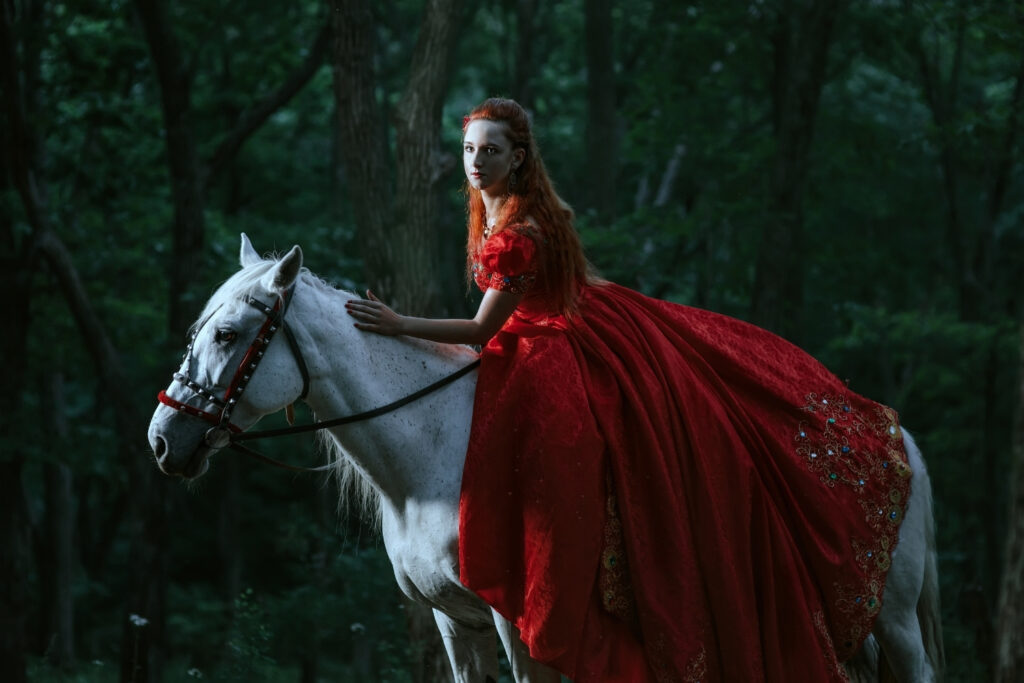
From knights in shining armor to candlelit feasts in great halls, medieval nostalgia taps into a powerful blend of fantasy, symbolism, and romanticized history. Its appeal stretches across books, films, festivals, and even travel destinations, captivating those drawn to simpler-seeming times. While not always rooted in historical fact, these images satisfy a human desire for clarity, beauty, and tradition in a complex world shaped by modern noise and rapid change.
1. People crave the romance and mystery of a distant past.
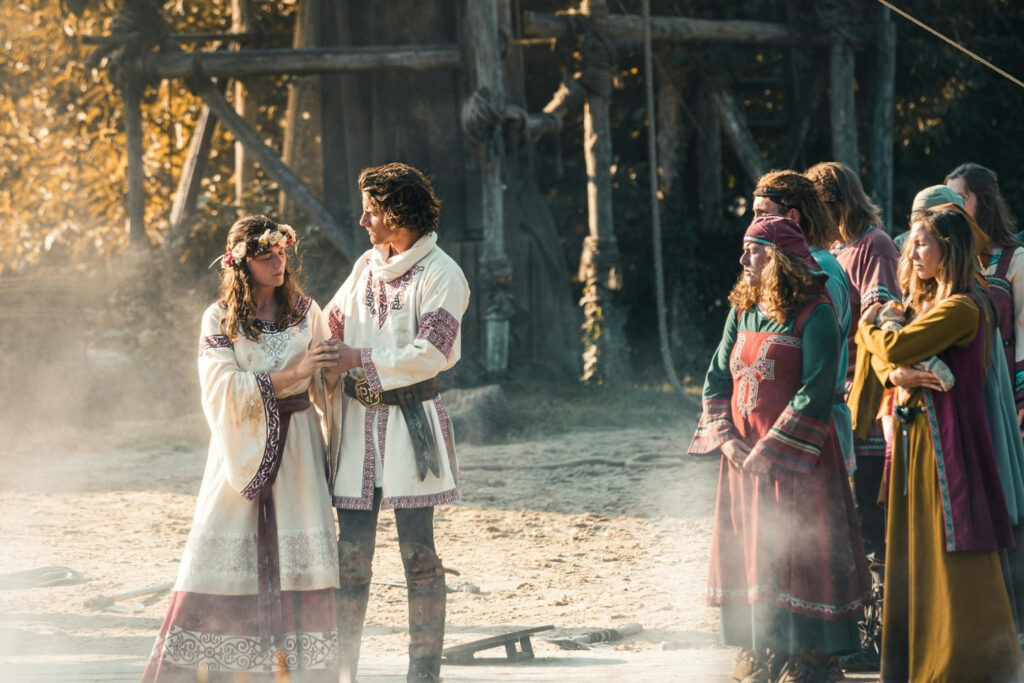
Romanticized visions of medieval life often revolve around fog-shrouded forests, moonlit towers, and handwritten letters sealed with wax. These images—a blend of literature, art, and collective imagination—feed the human desire for mystery and meaning rooted in time’s shadowed edges.
Rather than history as it happened, many cling to a version softened by storytelling. That craving finds fuel in dramas, pageants, and travel to ruins where stone walls echo with imagined intrigue, not sanitation issues. Memory edits harsh truths to preserve something dreamlike.
2. Medieval stories offer timeless battles between good and evil.
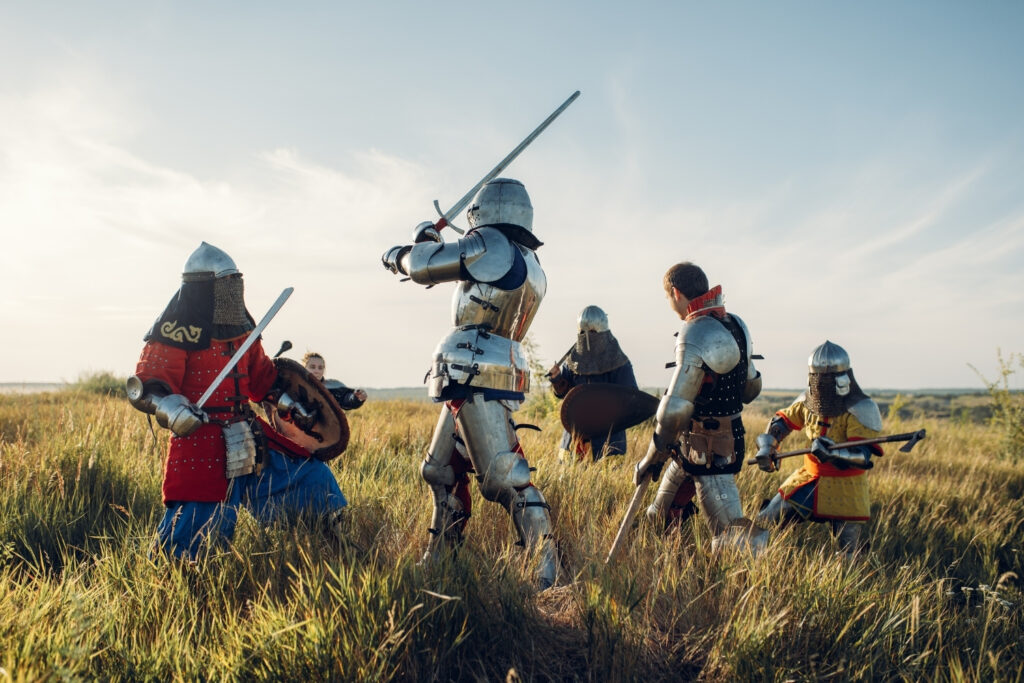
Knights and dragons, maidens and monsters—these classics shape a world where right and wrong clash with visible stakes. Medieval tales often strip away the gray areas, offering clean contrasts that resonate in uncertain times.
Outside fairy tales, most dilemmas drag on in courtrooms, news articles, or quiet living rooms. But in those legends, virtue wears shining armor and quests unfold with urgent clarity. It’s not accuracy audiences chase, but the certainty action tales bring.
3. Castles and cathedrals inspire awe with their enduring craftsmanship.

Stone by stone, medieval builders raised cathedrals and castles that still provoke wonder centuries later. Massive walls, vaulted ceilings, and stained glass create environments that blend religious awe with human accomplishment.
Even in photographs, a fortress tower seems to lean into the sky. Visitors, brushing fingers over pitted stone, feel time slow around them. Modern glass towers may gleam brighter, but few stir the same reverence or sense of permanence.
4. Folk traditions and legends connect people to cultural roots.
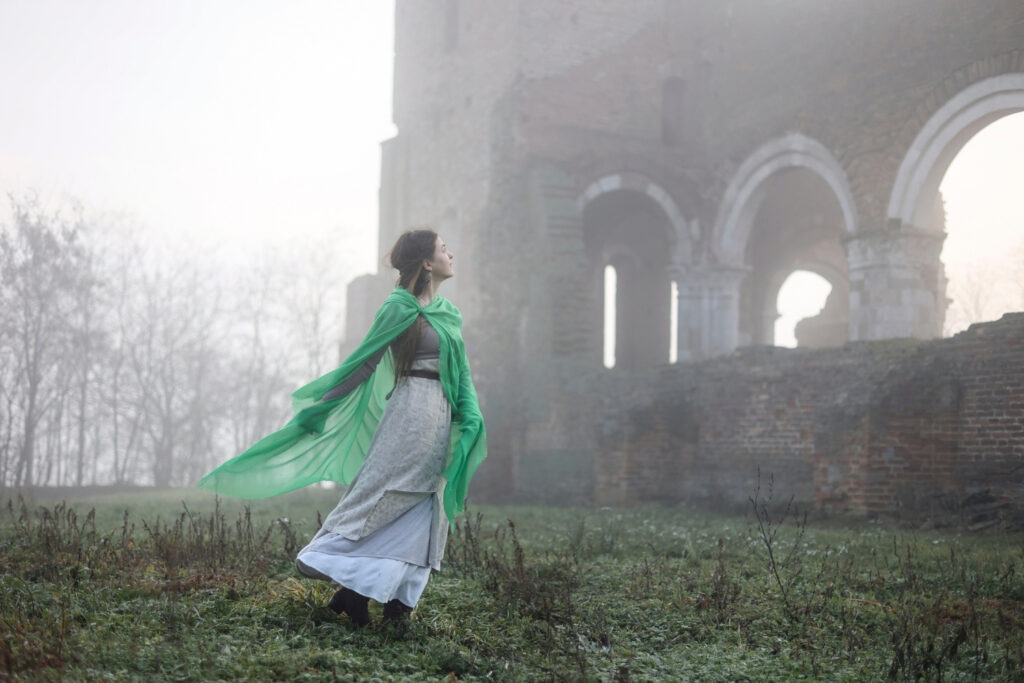
Folklore rooted in medieval times carries the cadence and caution of oral tradition. Tales passed through generations—of green men, selkies, or saints—act as cultural glue, hinting at lives shaped by seasons and superstition.
In a living room filled with electric hums, telling an old tale by candlelight reshapes the room. Listeners feel part of something older, braided into the past. The familiarity of these stories makes new things feel ancient and shared.
5. Fantasy books and games revive interest in medieval aesthetics.
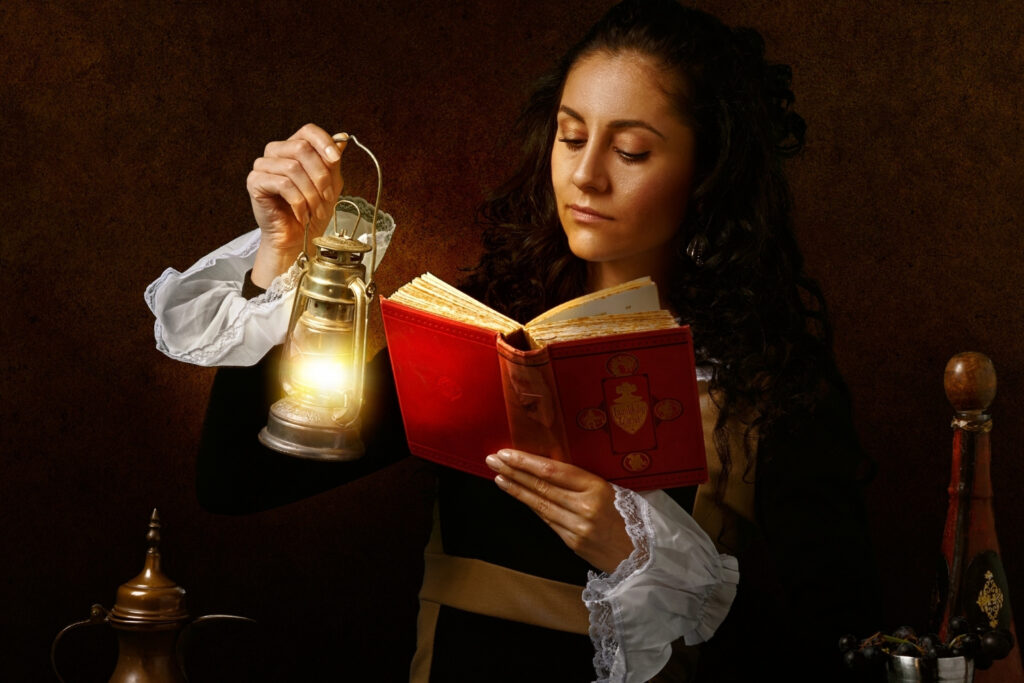
From chainmail costumes to digital wizards, fantasy revives the periods many only dimly recognize as historical. Books and games don’t reproduce medieval life; they remix it with dragons, plot twists, and stylized maps bordered in gold.
A shelf stacked with fantasy novels reveals deep hunger for worlds unhindered by traffic or algorithms. By borrowing medieval motifs—feasts, guilds, swords—these fantasies tap a kind of aesthetic shorthand for timeless adventure and layered tradition.
6. Chivalry and honor present an idealized moral framework.

Chivalry, wrapped in codes of loyalty, honor, and self-discipline, paints a moral landscape where actions carry weight. The ideal may not match lived history, but it lingers in how medieval stories define noble behavior.
Outside the tournament, real medieval conduct bore rougher edges. But the symbolic appeal remains strong. When a knight kneels or extends mercy, audiences see an archetype—a measure of conduct that promises purpose, even in flawed execution.
7. People find beauty in the simplicity of pre-modern life.
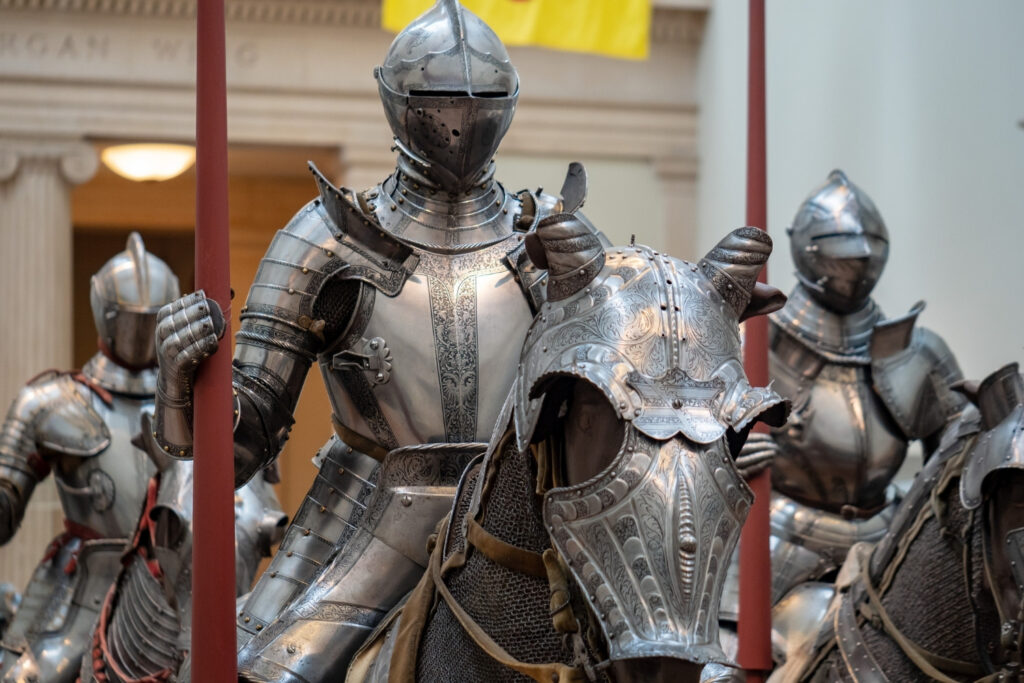
Daily medieval life often meant hard labor, simple tools, and quiet survival. Yet in the modern eye, that simplicity—untouched by digital distraction—can look peaceful rather than punishing.
A hand-thrown clay cup on a wooden table suggests a slower rhythm, however inaccurate that image may be. The imagined calm between church bells and candlelight appeals to those who feel overclocked today. What gets missed is the fatigue braided into that calm.
8. Historical reenactments let fans step into another world.
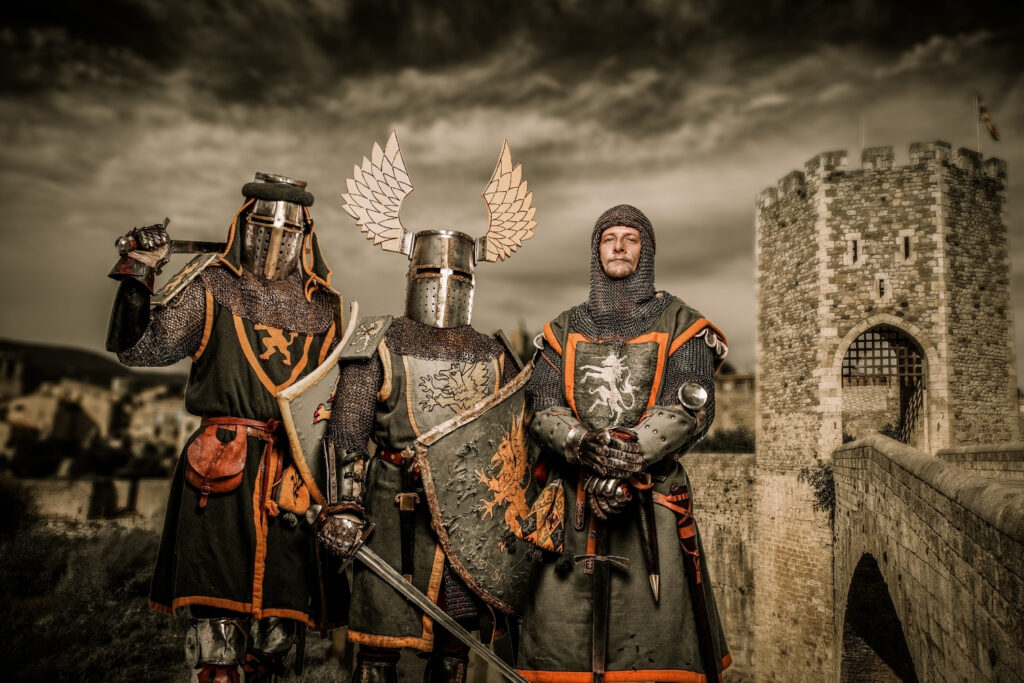
Historical reenactments create physical doorways into a stylized past, complete with costumes, tents, and blacksmiths. Participants don’t just observe—they cook, fight, and sleep like people would have, as closely as safety and law allow.
In those fields, surrounded by leather, steel, and straw, quiet joy comes not from accuracy but immersion. The goal isn’t academic fidelity but connection. People step out of fluorescent light and into a world they help sustain with movement and memory.
9. Medieval themes offer a form of escape from modern stress.
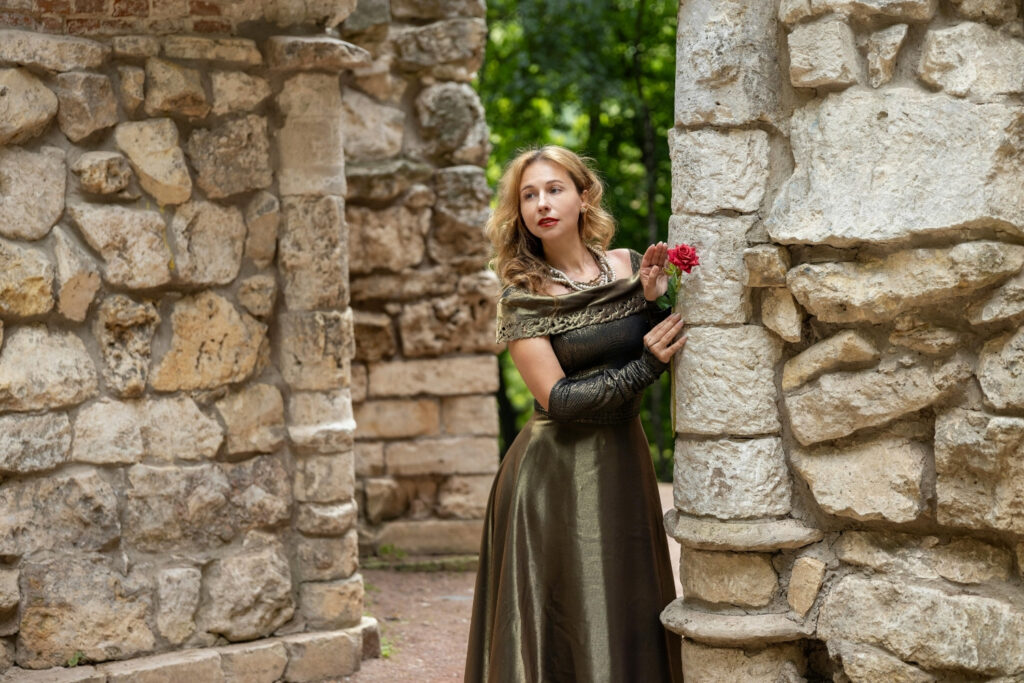
Modern life hums with alerts, deadlines, and digital clutter. Against that pace, medieval fantasy offers analog calm—campfires over coding, scrolls instead of spreadsheets, and horses instead of inboxes.
Turning toward a meticulously mapped kingdom isn’t regression but respite. The appeal is less about knights and more about narrative clarity. Where the modern world bends with ambiguity, the imagined medieval one feels rooted, knowable, and strangely restful.
10. Rich symbolism makes medieval art and stories feel timeless.
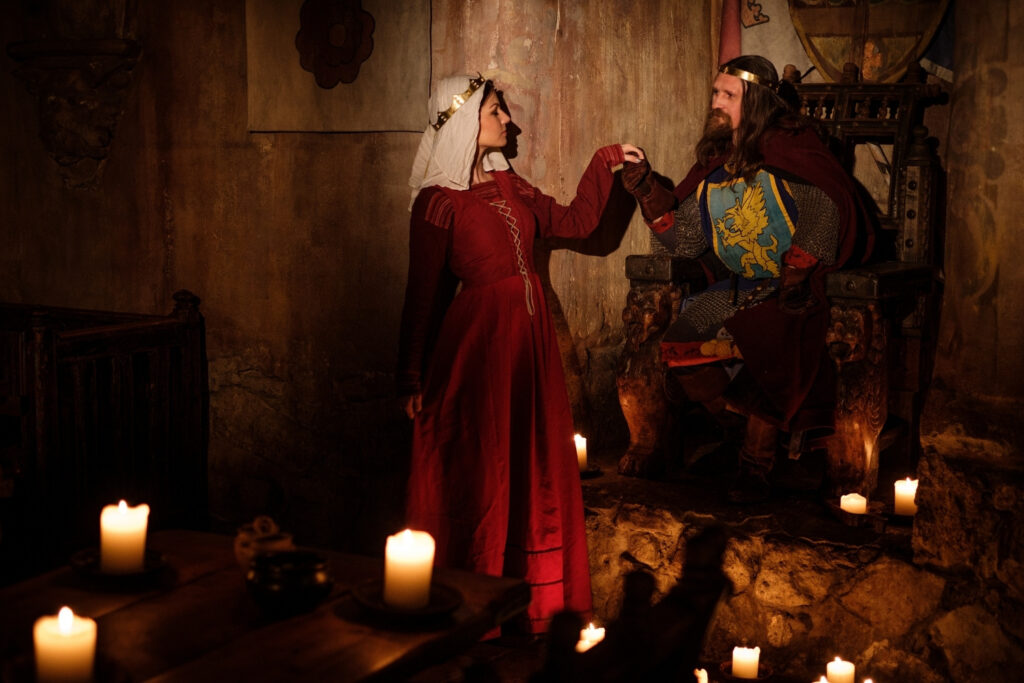
Medieval art favored bold icons—lions, swords, chalices, and radiant halos—each charged with layers of cultural meaning. Unlike abstract modern works, these symbols deliver clear, resonant messages steeped in faith and power.
A stained-glass window showing Saint George reads like a visual declaration. When echoed in games, tattoos, or stories, such symbols endure not for relevance but resonance. They hold steady while the world blurs.