
Address common Native American myths to foster understanding and respect for their diverse cultures.
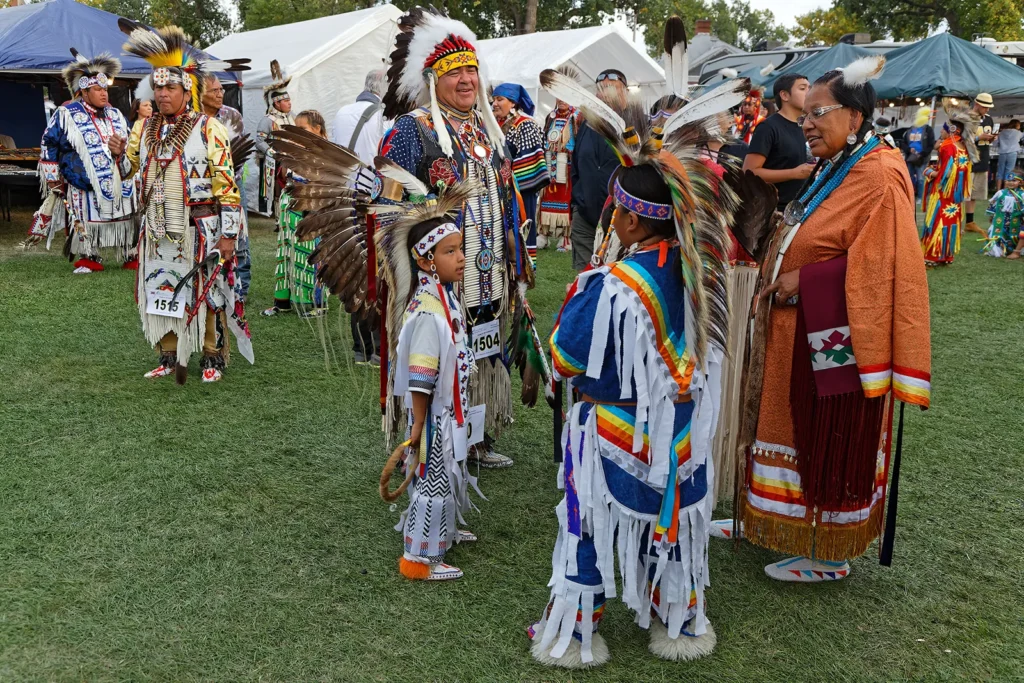
Many widespread beliefs about Native Americans stem from stereotypes or outdated information, overshadowing the rich cultural diversity and contemporary realities of Indigenous peoples. Clarifying these common misconceptions helps uncover the true history, traditions, and contributions of over 500 distinct tribes. By challenging simplified narratives, we can appreciate the complexities of Native American identities and honor their ongoing presence and vitality in modern society.
1. Native Americans all belong to a single, uniform culture and tradition.

The notion that all Native Americans belong to one culture flattens rich cultural diversity. Over 500 distinct tribes exist, each with unique customs, languages, and traditions. Some tribes, like the Hopi, cultivate desert crops, while coastal groups such as the Tlingit have rich fishing traditions.
Understanding the diversity among tribes highlights their distinct identities rather than a single stereotype. This diversity means recognizing the intricate variety of artistic expressions, governance structures, and spiritual practices that separate, say, the Iroquois Confederacy from the Navajo Nation.
2. Native Americans no longer exist as distinct peoples in modern society.
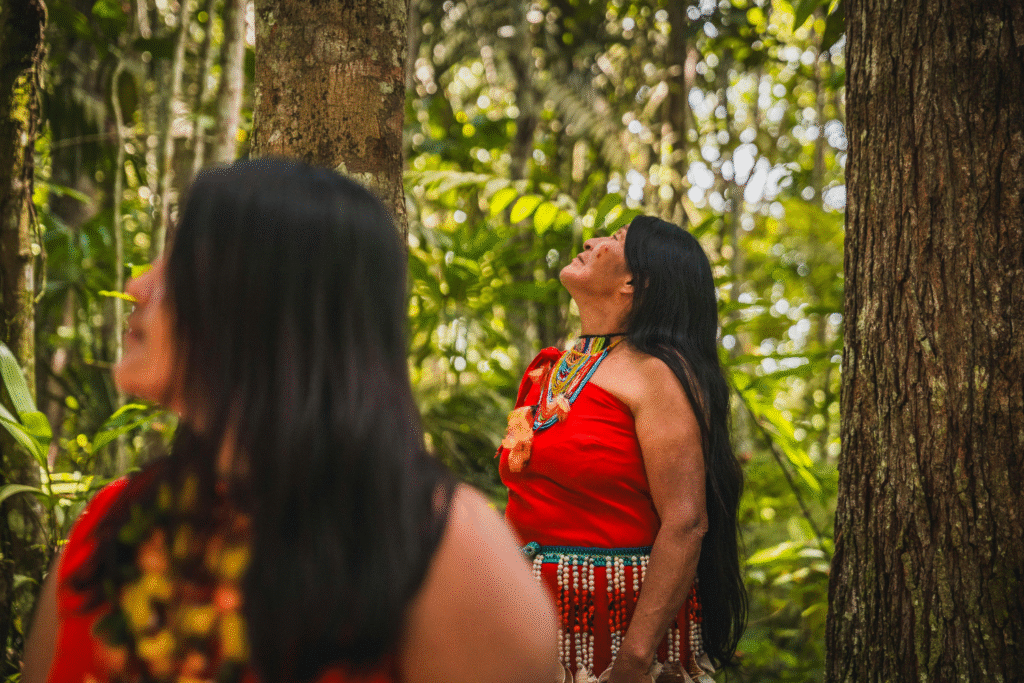
The misconception that Native Americans no longer exist ignores vital modern communities. Millions live across the United States, participating in contemporary society while preserving cultural heritage. Cities like Albuquerque host vibrant Native communities that balance tradition and modernity.
These communities actively engage in cultural revitalization and advocacy. Recognizing their present-day existence counters outdated narratives and acknowledges their significant contributions to cultural, political, and social spheres.
3. All Native American tribes share the same language across regions.

A widespread myth is that all Native American tribes share a common language. In reality, languages are as varied as the tribes themselves, with distinct linguistic roots spanning multiple language families. For example, Navajo belongs to the Athabaskan family, quite different from Algonquian.
Such linguistic richness underscores the complexity of Native American cultures. Efforts to preserve and revitalize languages recognize their integral role in maintaining cultural identity and transmitting oral histories to future generations, fostering a sense of community among tribe members.
4. Native American history begins only with European contact and colonization.

Some assume Native American history begins with European colonization, ignoring thousands of years of rich pre-Columbian civilizations. Complex societies like the Mississippian culture thrived, constructing vast cities and developing intricate trade networks. Their history is deep and varied.
Recognizing this long-standing history illuminates how tribes like the Ancestral Puebloans created enduring architectural wonders. Acknowledging these achievements reframes Native histories as foundational rather than supplementary to American history, enriching understanding of the continent’s diverse past.
5. Traditional Native American lifestyles were solely nomadic and hunter-gatherer.

Traditional Native American lifestyles were not limited to nomadic and hunter-gatherer practices. Many tribes like the Puebloans established permanent settlements, mastering agriculture. They cultivated crops such as maize, beans, and squash in sophisticated irrigation systems.
Diverse lifestyles were shaped by geography and resources. For instance, the fishing practices of Pacific Northwest tribes provided sustenance and cultural connection, contrasting those leading buffalo hunts on the plains. Recognizing these distinctions enriches appreciation of Native adaptation and ingenuity.
6. Native Americans receive unlimited government benefits without effort or qualification.
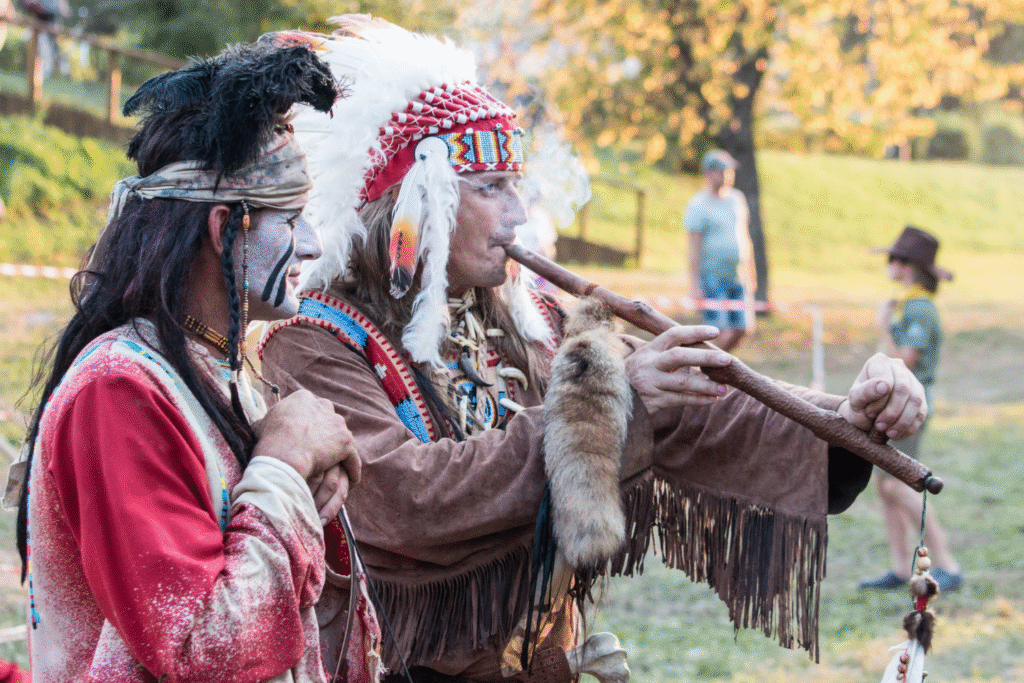
The myth that Native Americans receive unqualified government benefits misrepresents complex realities. Many benefits arise from treaties acknowledging historical injustices. Programs often require stringent qualifications and are neither sweeping nor always sufficient to meet community needs.
Acknowledging efforts for reparative justice underscores ongoing struggles faced by Native communities. Addressing systemic inequalities involves recognizing treaty obligations and advocating for equitable access to resources and opportunities, dispelling myths of undeserved privilege or dependency.
7. Native Americans freely gave up their lands without conflict or resistance.

A myth persists that Native lands were easily surrendered without resistance. In reality, numerous tribes engaged in prolonged and often devastating conflicts to defend their territories and way of life. Battle sites like Little Bighorn remind one of such fierce resistance.
Understanding these struggles illuminates the resilience and agency of Native communities. They actively negotiated, resisted, and adapted over centuries, while facing broken treaties and forced removals, illustrating a narrative of survival and perseverance amid external pressures.
8. Indigenous spirituality consists of a single, uniform religious belief system.
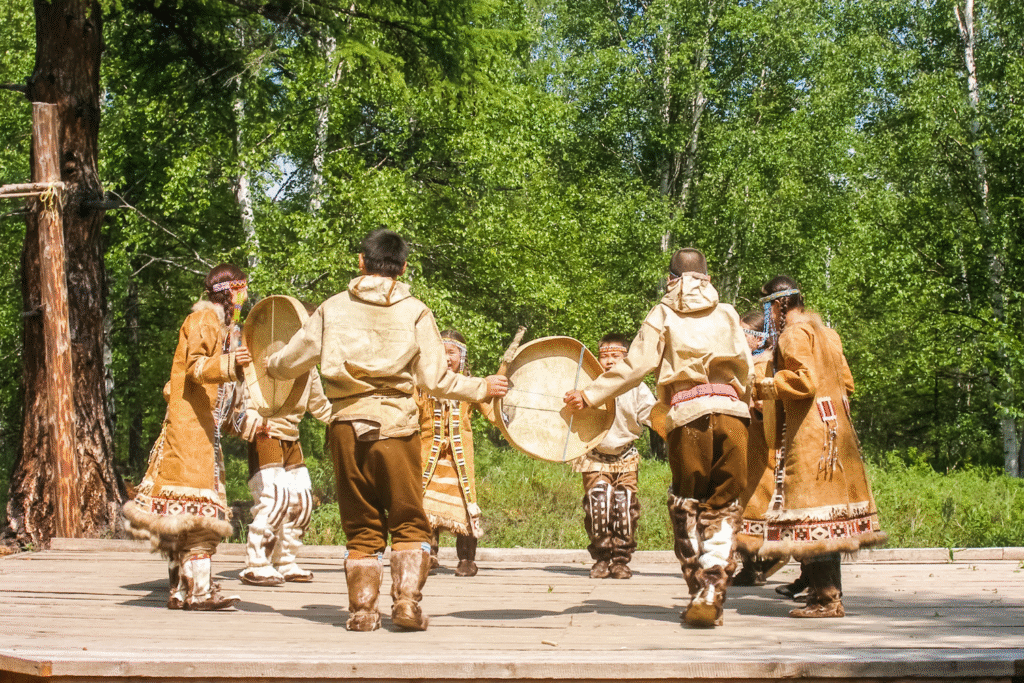
Indigenous spirituality is often wrongly seen as a monolithic belief system. Tribes practice diverse spiritual traditions, from the Lakota Sun Dance to Hopi kachina rituals, rooted in unique worldviews and ceremonies. Spiritual practices intertwine with cultural expression and identity.
Exploring these varied belief systems reveals complex spiritual landscapes. For instance, the Navajo engage in intricate healing practices that contrast with Inuit animistic traditions. Respectful understanding of such diversity fosters deeper appreciation for each tribe’s distinct spiritual heritage.
9. Native American contributions to art, science, and culture are minimal.
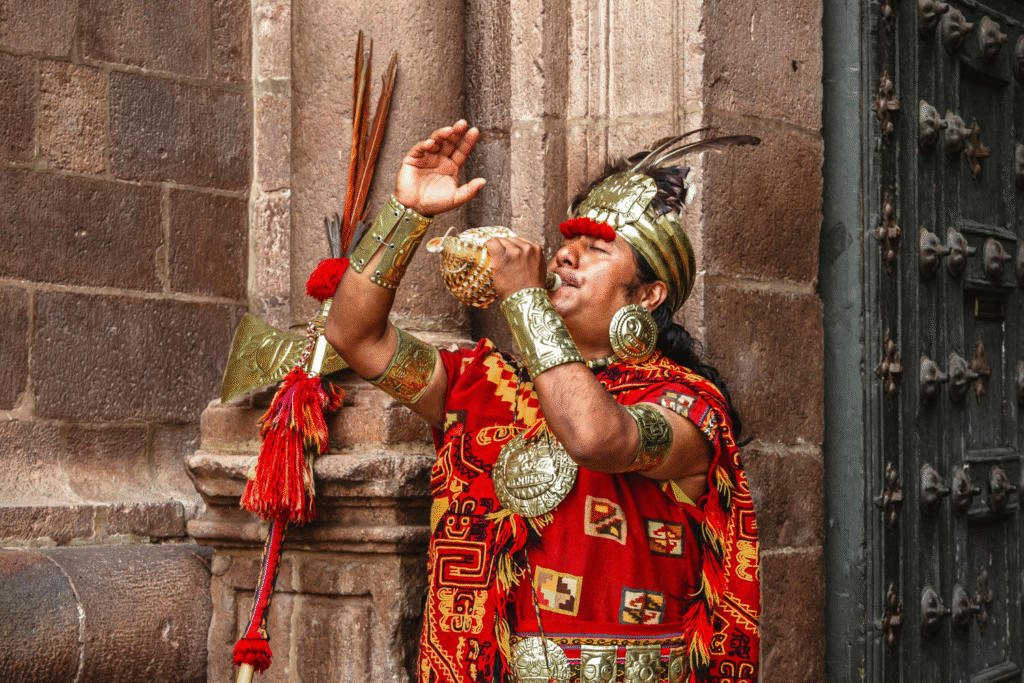
Native American contributions to art, science, and culture are immense, contrary to the myth of minimal impact. Native innovations include agricultural techniques like the ‘Three Sisters’ planting. Artists in pueblos produce distinctive pottery imbued with stories and symbolism.
Recognizing these contributions showcases innovation and creativity. From medicinal plant knowledge to political systems influencing the U.S. Constitution, Native Americans continue to enrich cultural and intellectual landscapes, challenging perceptions and influencing modern art and action.
10. Native American identity depends only on blood quantum rather than community ties.

The misconception that Native identity is solely based on blood quantum overlooks community bonds and cultural participation. Identity in many tribes involves kinship, cultural practices, and community engagement, as seen in urban Native networks maintaining traditions and support systems.
Understanding identity through this broader lens sheds light on communal connections and resilience. Native identity thrives through active participation and shared experiences, enriching lives beyond genetic calculations and fostering inclusive, intergenerational cultural continuity.