
Their skill, influence, and iconic riffs rival the greatest names in guitar history.
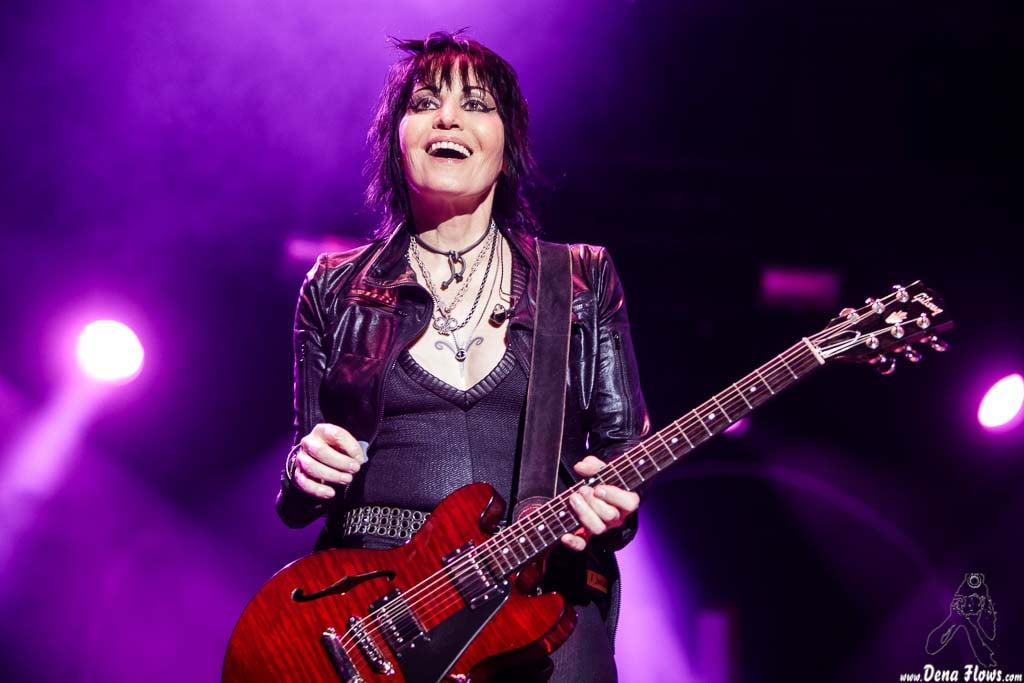
Rock history often highlights the same names, but a closer listen reveals a different story. Many women have shaped the sound of rock with playing that is just as powerful, inventive, and unforgettable as the most celebrated legends.
Their riffs still hit hard, their solos still hold up, and their influence continues to ripple through new generations of players. These guitarists did not just show up. They carved out space and helped redefine what rock could sound like.
1. Joan Jett built a raw, unmistakable sound that still defines rock attitude.
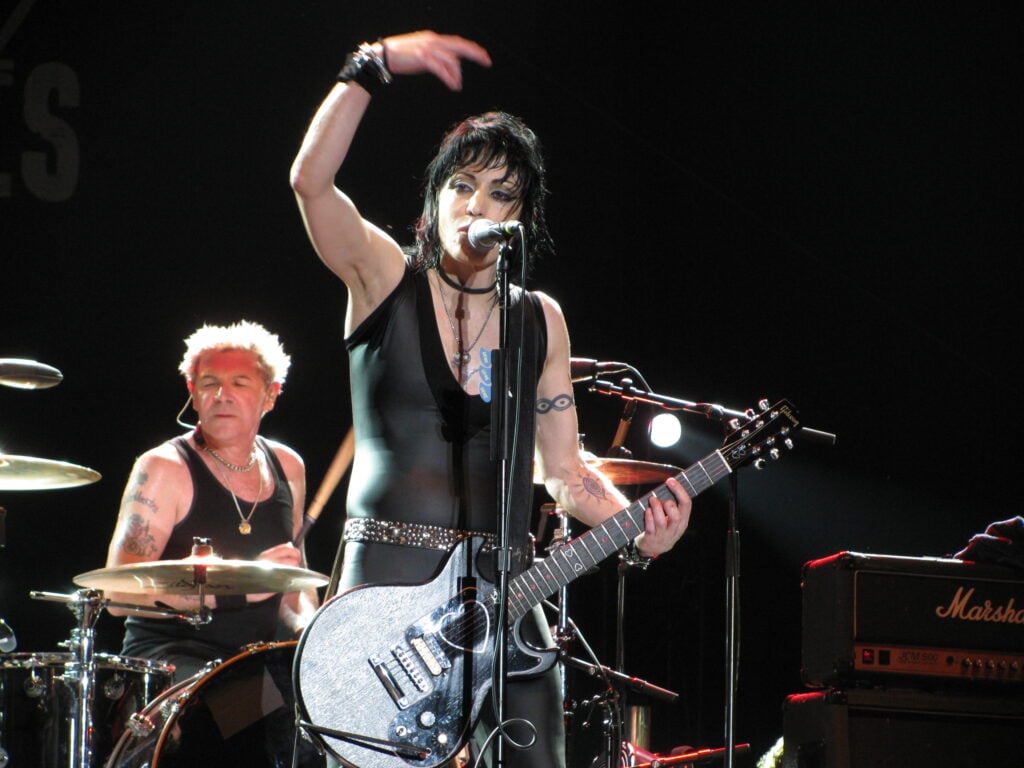
Joan Jett’s playing is built on simplicity, power, and confidence. Her driving rhythm work on songs like “Bad Reputation” and “I Love Rock ‘n’ Roll” proves that you do not need flash to make an impact. Every chord feels intentional and full of energy.
She helped shape the sound of punk-influenced rock in a way that still resonates today. Her style is direct and unapologetic, and it set the tone for countless artists who followed. That kind of influence is hard to overstate.
2. Nancy Wilson blended precision and feel into some of rock’s most memorable songs.
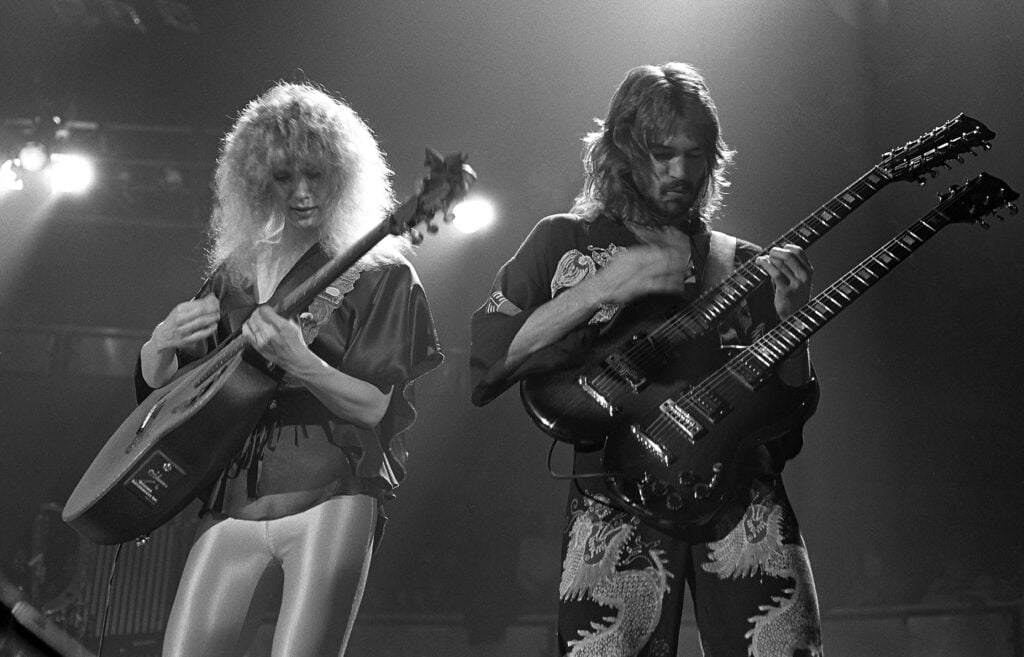
Nancy Wilson brought both technical skill and musical sensitivity to Heart’s catalog. Her acoustic work on songs like “Crazy on You” shows intricate fingerpicking, while her electric playing delivers strong, melodic leads.
She moves easily between styles without losing her identity. That versatility made her a key force behind Heart’s success and helped expand what mainstream rock guitar could sound like during their peak years.
3. Lita Ford brought fierce lead guitar work to the forefront of hard rock.
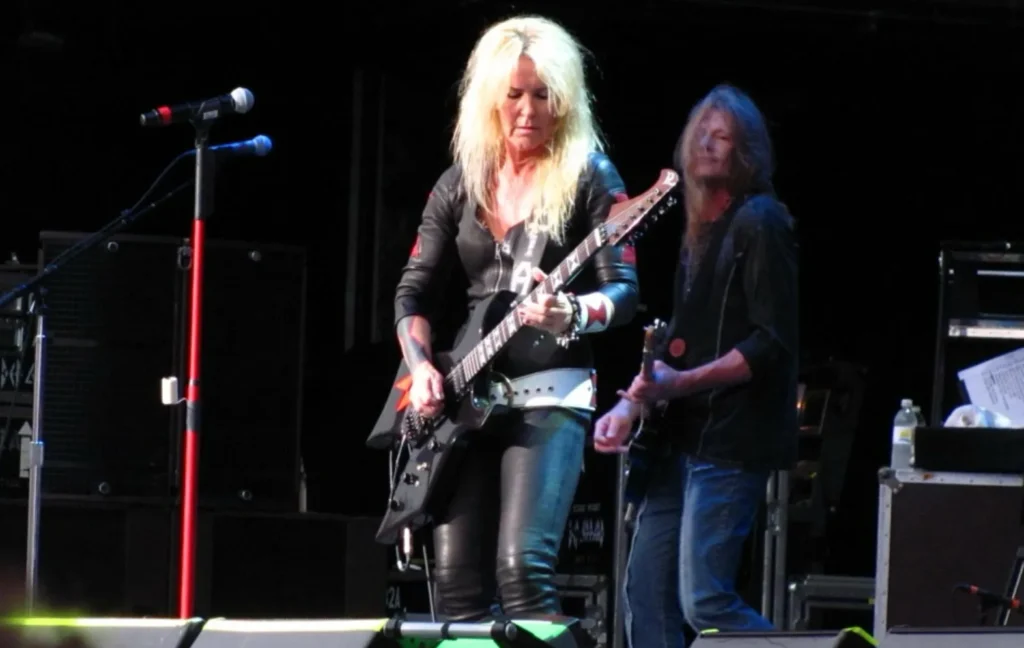
Lita Ford stepped into the spotlight as a lead guitarist at a time when few women were given that role. Her solos are bold, aggressive, and rooted in classic hard rock and metal traditions.
Her playing on tracks like “Kiss Me Deadly” shows both technical control and a strong sense of melody. She proved that women could take center stage as lead guitarists and command the same respect as their peers.
4. Sister Rosetta Tharpe laid the foundation for rock guitar long before it had a name.
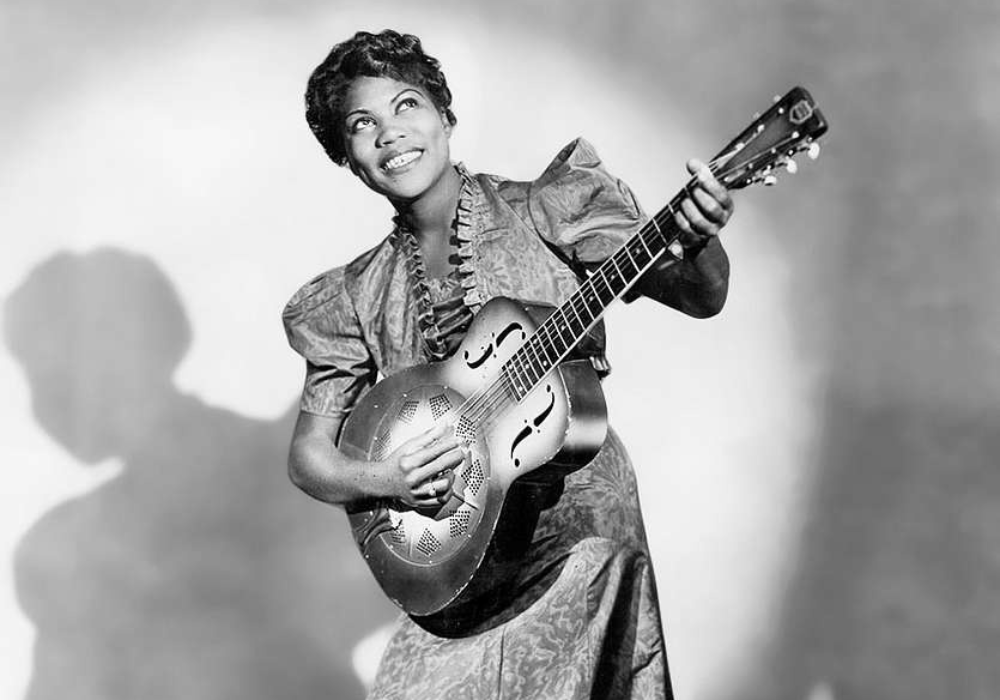
Sister Rosetta Tharpe combined gospel, blues, and electric guitar in a way that directly influenced the birth of rock and roll. Her energetic playing and stage presence were ahead of their time.
Artists who came later borrowed heavily from her style, even if she was not always given the credit she deserved. Her guitar work helped shape the very language that rock music still speaks today.
5. Orianthi delivered modern rock solos with speed, precision, and clarity.
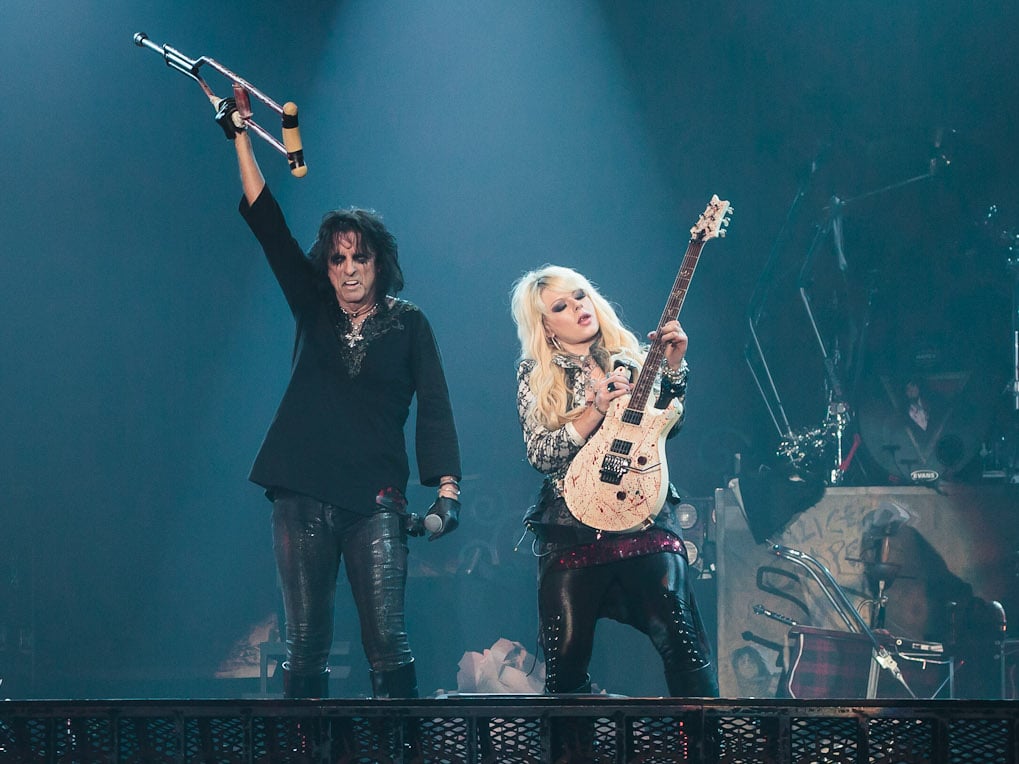
Orianthi gained wide attention for her technical skill and confident stage presence. Her playing blends fast runs, clean phrasing, and strong melodic hooks that stand out in modern rock.
She has shared the stage with major artists and consistently proves her ability to handle both rhythm and lead roles. Her work shows that technical ability and musicality can coexist without losing impact.
6. Nita Strauss brought high-energy metal guitar to a new generation of fans.

Nita Strauss is known for her speed, control, and commanding performances. Her playing draws from classic metal influences while adding a modern edge that feels fresh and exciting.
She has built a strong reputation through both solo work and collaborations, showing consistency and precision in every performance. Her presence has helped bring more visibility to women in heavy rock and metal.
7. Bonnie Raitt infused rock guitar with feel, slide technique, and emotional depth.
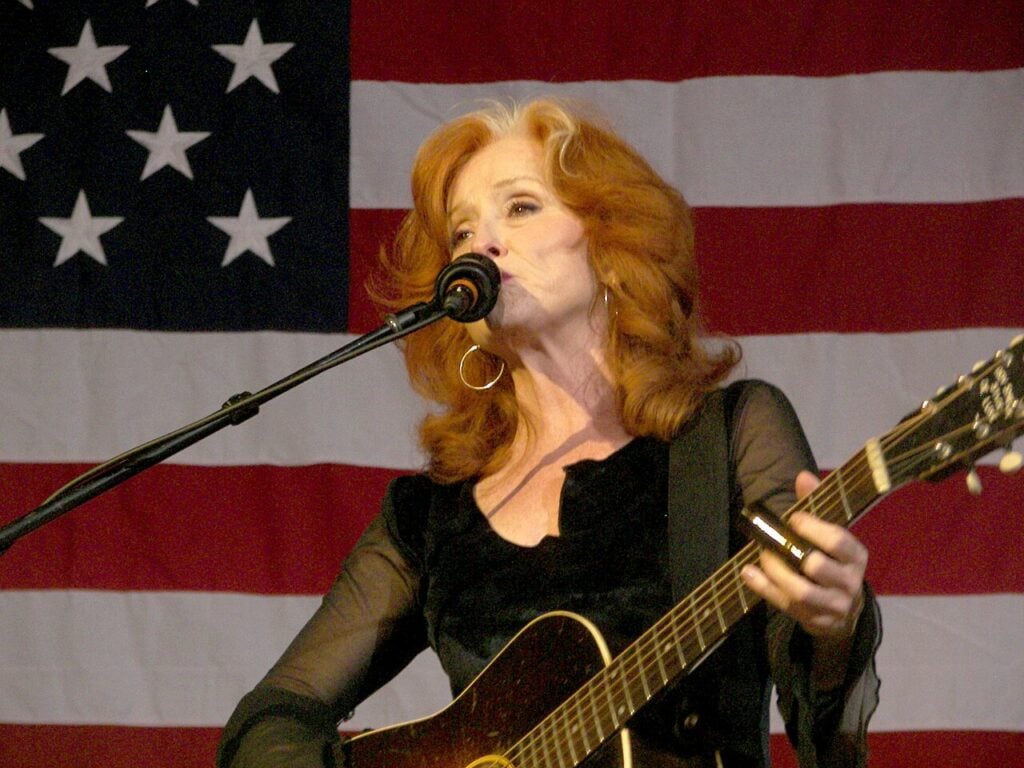
Bonnie Raitt’s slide guitar work is instantly recognizable. Her tone and phrasing bring a blues-driven feel into rock that adds depth and character to every song she plays.
Her style is less about speed and more about expression. That approach has influenced countless players who value feel over flash, and it continues to resonate across generations.
8. Jennifer Batten pushed technical boundaries on some of the biggest stages in the world.

Jennifer Batten became widely known for her work alongside Michael Jackson, where her playing had to be both precise and dynamic. Her solos and rhythm parts carried a strong technical foundation.
She combines advanced techniques with a clear sense of musical purpose. That balance allowed her to stand out in performances that demanded both skill and consistency at the highest level.
9. Carrie Brownstein combined raw energy with sharp, expressive guitar work.

Carrie Brownstein helped define the sound of indie rock through her work with Sleater-Kinney. Her playing is angular, rhythmic, and full of personality.
She focuses on creating tension and movement within songs rather than relying on traditional solos. That approach gives her playing a distinctive edge that continues to influence modern rock musicians.
10. St. Vincent reshaped modern rock guitar with a bold and unconventional style.

St. Vincent, also known as Annie Clark, approaches the guitar with creativity and precision. Her playing blends sharp tones, unexpected phrasing, and a strong sense of experimentation.
She pushes boundaries in both sound and technique, often creating parts that feel fresh and unpredictable. Her work continues to expand what rock guitar can be in a modern context.