
The places where violence shapes daily life most sharply.
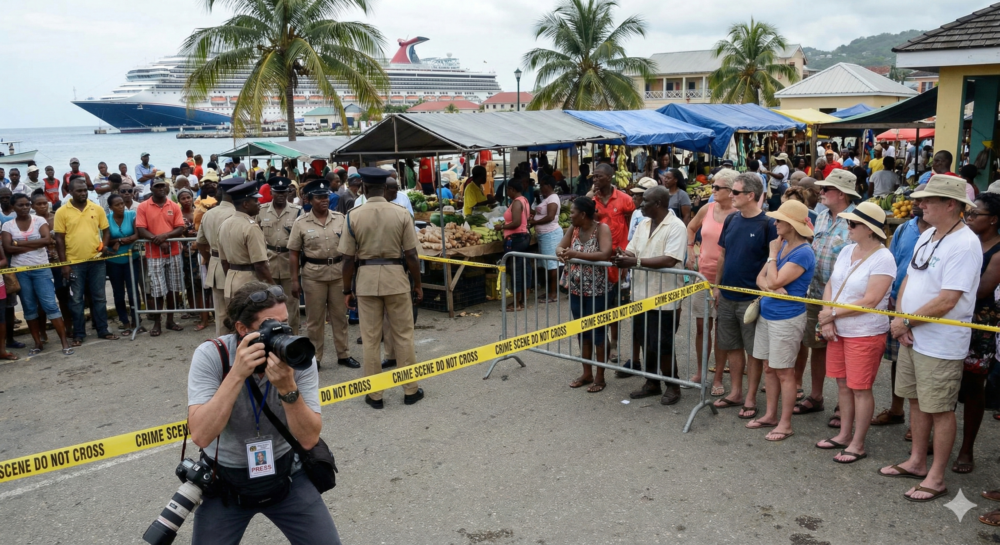
Homicide rates tell a story that statistics alone cannot soften. Behind every number sits a mix of fear, instability, and systems that no longer protect people the way they should. In 2025, some countries continue to struggle with violence at levels that reshape everyday decisions.
Gang power, organized crime, inequality, and weak institutions show up again and again. These rankings reflect reported homicide rates, but they also hint at deeper social fractures that numbers can only partially explain.
1. Jamaica records the highest homicide rate globally.
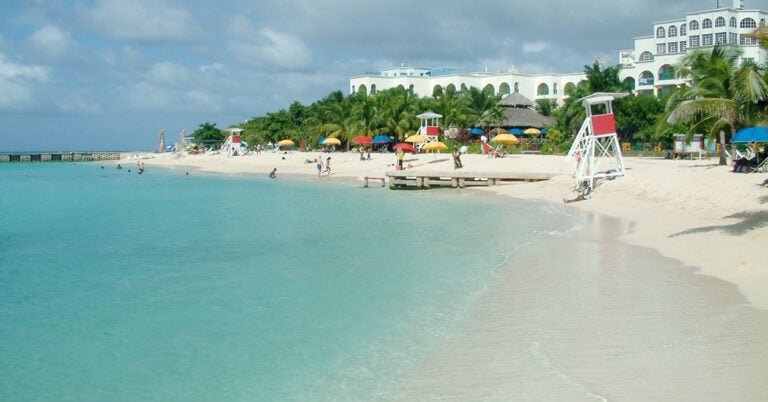
Jamaica leads the world in homicide rates at 49.3 per 100,000 people, driven largely by entrenched gang violence. Criminal groups exert strong control over neighborhoods, often filling gaps left by limited state presence and chronic economic strain.
Daily life in affected areas revolves around caution and informal rules. Residents learn which streets to avoid and when to stay inside, creating a quiet normalization of fear that stretches far beyond the headlines.
2. Ecuador struggles with violence tied to prisons and cartels.
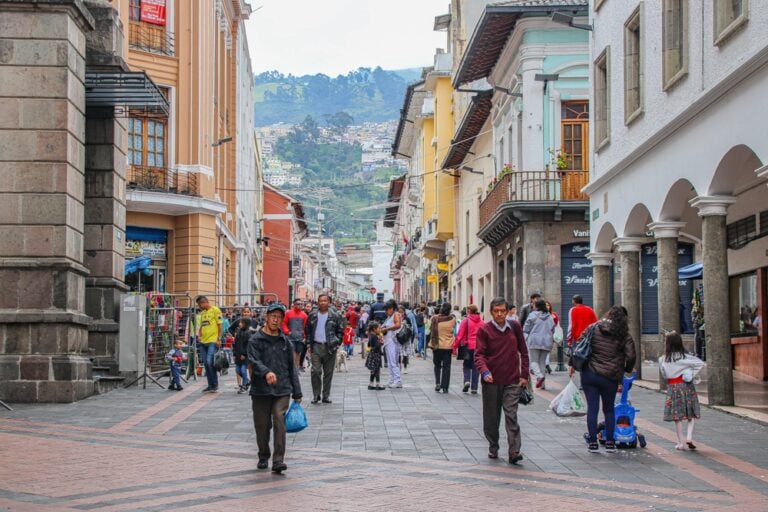
Ecuador follows closely with a homicide rate of 45.7, fueled by cartel expansion and repeated prison riots. Correctional facilities have become command centers for organized crime rather than places of containment.
Outside prison walls, violence spills into cities and ports critical to drug trafficking routes. Ordinary routines feel increasingly fragile as power shifts away from public institutions and toward armed networks.
3. Haiti faces instability driven by armed gang control.
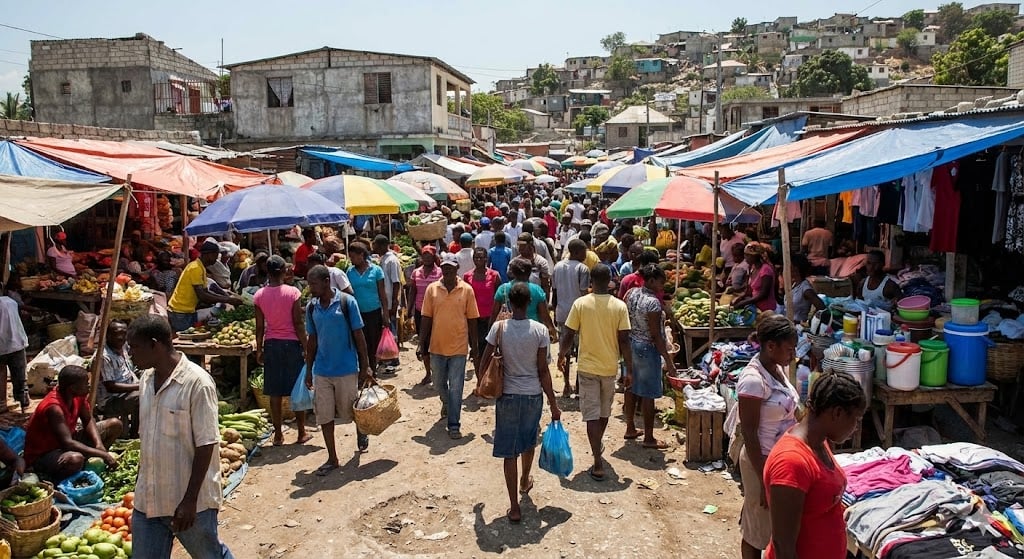
Haiti’s homicide rate of 41.1 reflects deep political instability and widespread gang dominance. Armed groups control large sections of urban areas, often replacing formal governance with intimidation and force.
Citizens navigate daily life under constant uncertainty. Access to basic services, employment, and even safe travel depends heavily on shifting alliances and unspoken rules enforced by violence.
4. South Africa’s violence mirrors deep inequality.

South Africa reports an estimated homicide rate near 43.7, shaped by extreme inequality and persistent violent robberies. Economic divisions remain stark, fueling desperation and opportunistic crime across urban and rural spaces.
Many communities experience violence as background noise rather than isolated events. Trust in long term improvement erodes when safety feels unevenly distributed along economic and geographic lines.
5. Honduras continues to battle powerful street gangs.
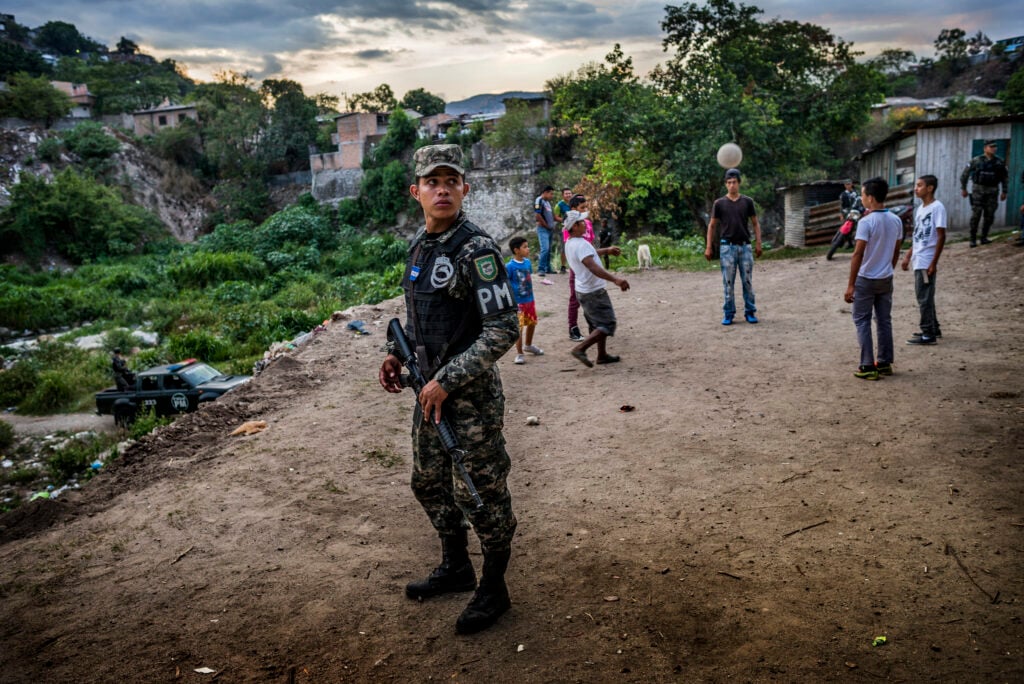
Honduras posts a homicide rate of 31.4, with gangs like MS-13 maintaining influence over neighborhoods and transit corridors. Extortion and territorial control remain common tools of intimidation.
Residents often adapt by limiting movement and relying on tight social circles. Violence becomes less shocking and more expected, shaping behavior in ways that quietly shrink personal freedom.
6. Mexico sees sustained violence tied to drug wars.

Mexico’s homicide rate stands at 24.9, reflecting the sheer scale of drug related violence rather than constant chaos everywhere. Certain regions bear the brunt, while others remain relatively stable.
The unpredictability weighs heavily. Even people far from hotspots feel the psychological impact as headlines reinforce a sense that violence can surface almost anywhere.
7. Trinidad and Tobago faces rising urban gang pressure.

With an estimated rate of 40.4, Trinidad and Tobago struggles with concentrated urban gang violence. Disputes often erupt quickly, turning small conflicts into deadly encounters.
Communities feel the strain as public spaces lose their sense of safety. Daily interactions become more guarded, and social trust weakens under constant tension.
8. Costa Rica confronts a sharp and unsettling rise.

Costa Rica reports a homicide rate of 17.8, a dramatic increase for a country once known for stability. Drug trafficking routes have brought organized crime into previously calm areas.
The shift feels jarring for residents. Longstanding assumptions about safety no longer hold, forcing a collective adjustment to risks that once felt distant.
9. Puerto Rico deals with localized but persistent violence.

Puerto Rico’s homicide rate of 14.3 reflects violence concentrated in specific neighborhoods rather than island wide instability. Drug markets and territorial disputes drive most incidents.
Life outside these areas often continues normally, creating sharp contrasts. That unevenness makes violence feel both close and strangely disconnected at the same time.
10. Lesotho and Bolivia share similar homicide levels.

Lesotho and Bolivia round out the list with rates ranging between 10 and 12, depending on sources. Violence varies widely by region, shaped by local economic and political pressures.
The inconsistency complicates solutions. Some communities remain relatively safe while others struggle, creating uneven experiences that challenge national level responses.