
As data centers grow, some US cities face new pressure on their drinking water supplies
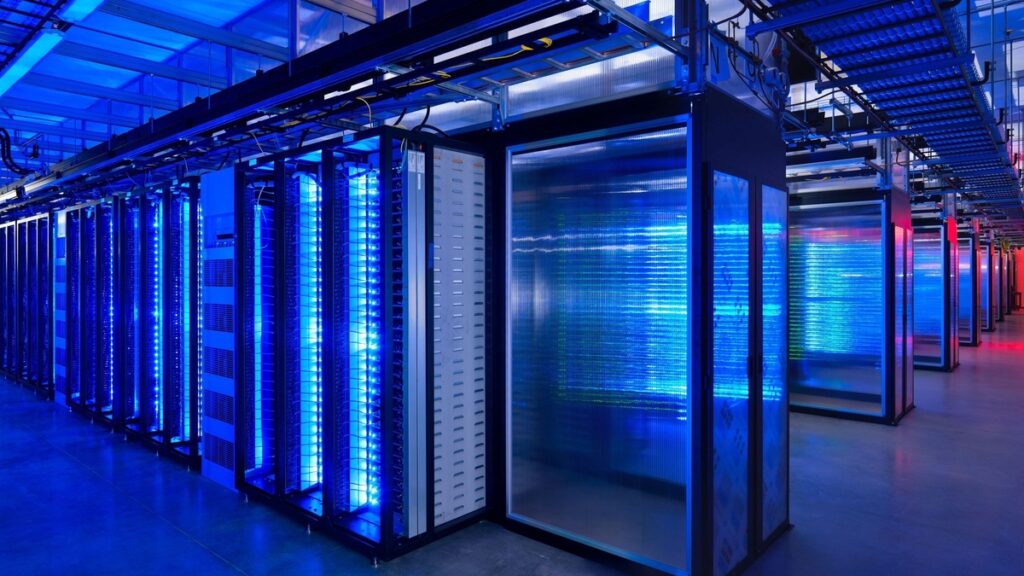
Across the United States, a quiet surge in data center construction is beginning to strain local drinking water systems. These massive facilities often rely on water-intensive cooling technologies to keep servers running efficiently, especially in hot or dry climates. As more cities become hubs for digital infrastructure, experts from organizations like the USGS and EPA warn that municipal supplies, aquifers, and even watershed ecosystems could face mounting stress without careful long-term planning.
1. Phoenix, Arizona faces growing water stress from rising data center demand.

Phoenix draws much of its water from the Salt and Verde rivers and, increasingly, the Colorado River—supplies already stretched thin in the arid Sonoran Desert. Large data centers here use evaporative cooling systems that consume thousands of gallons daily to keep server rooms from overheating.
Regional drought patterns amplify the pressure. Tech expansions accelerate even as the city asks residents to ration water for home use. The contrast plays out quietly in suburban business parks, where rows of beige, windowless buildings work nonstop—and need constant cooling to do so safely.
2. Atlanta, Georgia contends with increased groundwater use from tech facility growth.
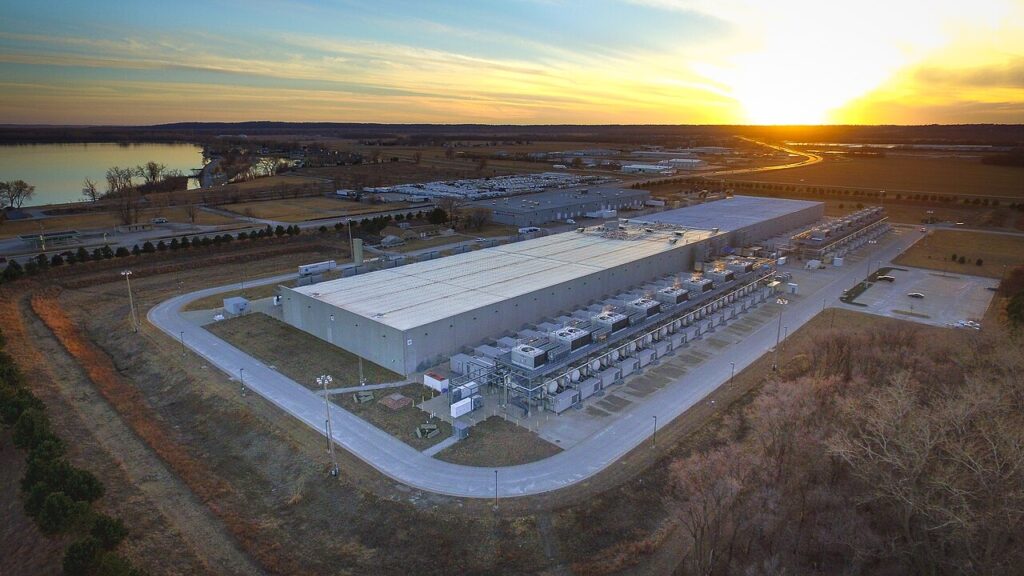
Atlanta’s position atop a plateau limits access to surface water, prompting data centers to tap into underground aquifers. As server facilities expand across metro counties, some rely on groundwater wells to meet cooling demands during peak load times.
That shift raises long-term concerns about subsidence and recharge rates, especially in surrounding rural communities that share the same groundwater sources. In between spring rains and summer highs, the difference between sustainable draw and overuse can come down to just a few inches in well depth.
3. Dallas, Texas experiences strain on municipal systems linked to server farms.
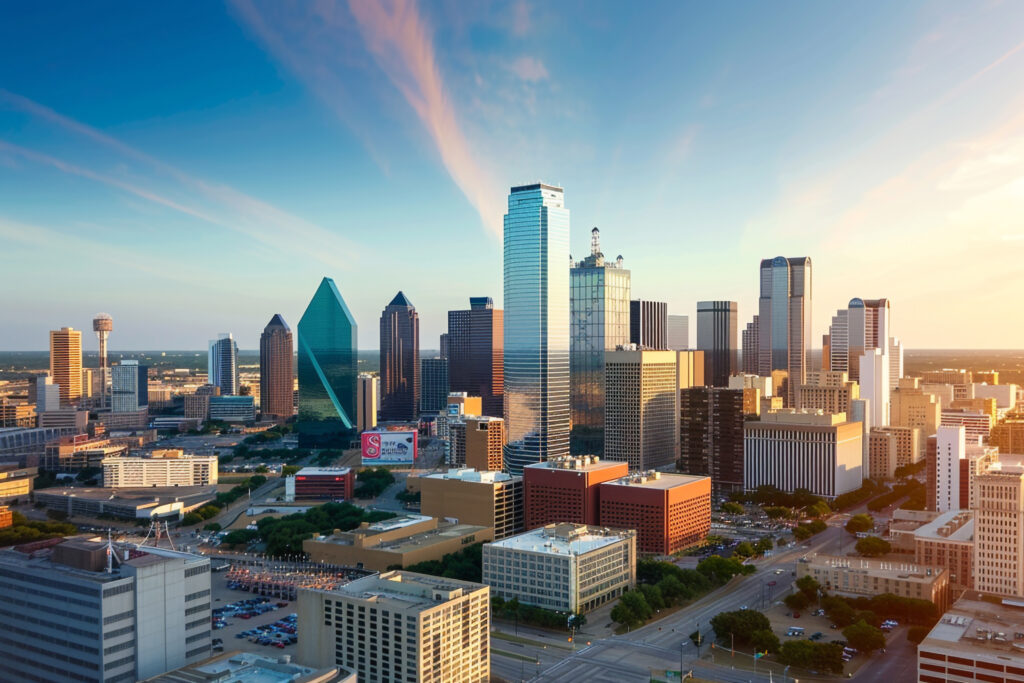
New data centers near Dallas lean heavily on water-cooled chillers to manage heat, especially in summer months when ambient temperatures spike. These systems often pull water directly from municipal supplies, placing extra strain on aging infrastructure that also serves millions of homes.
Some facilities have made efficiency upgrades, but the cumulative effect persists as more server farms come online. Utility providers juggle high-demand zones in real time, balancing neighborhood pressures against the needs of quiet, energy-intensive tech campuses near highways and rail spurs.
4. Salt Lake City, Utah sees water infrastructure tensions amid data hub expansion.

Salt Lake City relies on a mix of snowmelt and reservoir storage for its public water. As the city becomes a back-end hub for growing cloud services, the sustained cooling needs of warehouse-sized data centers are prompting reevaluation of that balance.
In certain pockets, pipeline extensions have been proposed to redirect flow toward industrial zones. But those realignments can leave smaller districts with less buffer during dry spells—something local planners now track with increased urgency.
5. Reno, Nevada balances desert conditions with the thirst of digital operations nearby.

Reno sits in a high desert basin where annual precipitation barely supports native sagebrush and creosote. As tech infrastructure expands east of downtown, some firms have built data centers using evaporative cooling towers that pull directly from municipal supplies.
While a single facility may operate efficiently, scale changes everything. As more server farms appear near industrial parks, water officials weigh shifting usage patterns against limited recharge rates from nearby snow-fed creeks. The system runs lean, and every gallon counts.
6. Charlotte, North Carolina adjusts to rising industrial water use from tech firms.
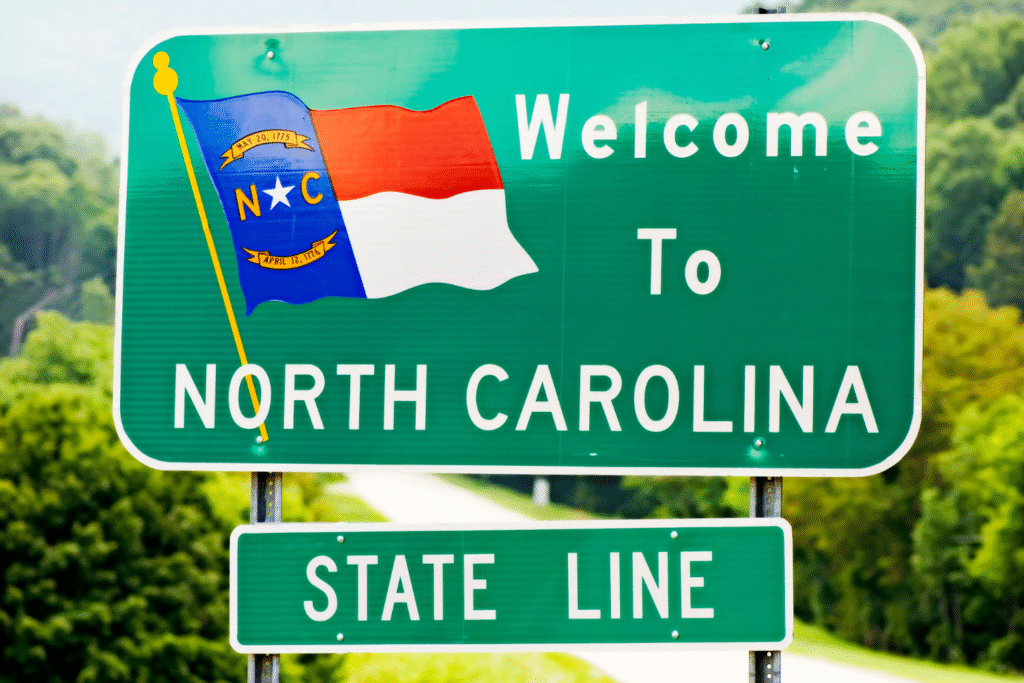
Charlotte sources its water from the Catawba River, already shared across states for power generation, agriculture, and household use. With recent growth in tech-sector facilities, industrial water demand quietly outpaces what was typical just a decade ago.
Some data centers use closed-loop systems that recycle water to reduce waste, but not all follow suit. As capacity expands near suburban corridors, pressure shifts onto upstream reservoirs, where allocation becomes a year-round puzzle reflecting population growth and server load increases.
7. Des Moines, Iowa evaluates aquifer health near clusters of data infrastructure.

Des Moines draws much of its water from the Jordan Aquifer, a deep underground reserve tapped by homes, farms, and now data operations. As server clusters grow in outlying areas, sustained withdrawals raise alarms about long-term aquifer stability.
Monitoring data reveal measurable drops in water levels near some tech corridors. What’s invisible above ground shows in pumping efficiency: when wells run deeper than before, energy use rises, and utility costs follow. It’s a quiet intersection of digital demand and resource resilience.
8. Portland, Oregon monitors freshwater resources tucked near growing tech corridors.
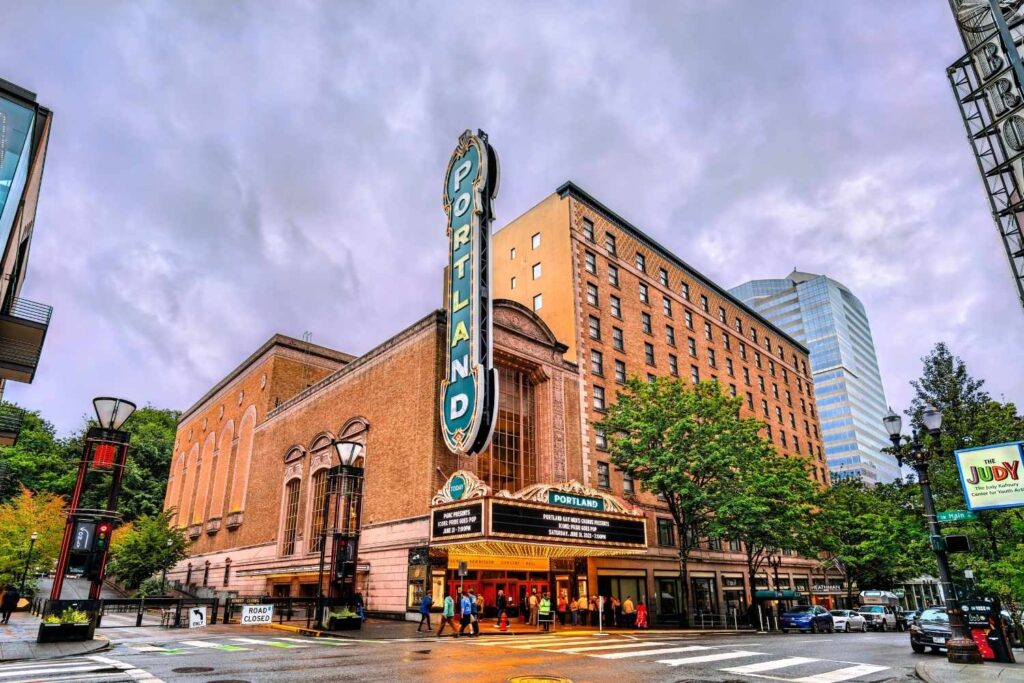
Portland sits within reach of the Bull Run Watershed, a steep, forested basin that feeds its primary supply. Though data center expansion has been more modest here than in drier cities, even limited growth near the metro fringe puts pressure on freshwater allocation.
Some tech campuses operate along river-adjacent industrial zones, where existing infrastructure supports commercial draw. Yet as demand creeps upward, the city keeps a close watch on seasonal flow variability, balancing ecological health with digital enterprise needs down to the gallon.
9. Ashburn, Virginia manages significant water requirements from dense data activity.

Ashburn’s nickname—the ‘Data Center Capital of the World’—reflects its dense concentration of server operations. Many facilities use chilled water systems that rely on Loudoun County’s municipal supply, which processes Potomac River water through multiple treatment stations daily.
What happens behind those concrete walls matters upstream. As more centers connect to local utilities, even with efficiency gains, the cumulative water pull challenges system resilience. That tension grows in dry months, when peak computing loads often align with household conservation measures.
10. San Jose, California reviews water sourcing practices amid server growth challenges.

San Jose plays a central role in Silicon Valley’s digital backbone, and its water network reflects that complexity. As server farms grow in footprint and number, some facilities reevaluate cooling strategies to adjust for tighter water sourcing rules within the Santa Clara Valley basin.
Not all infrastructure adapts equally. While newer campuses may use air-cooled systems, legacy sites often rely on water-heavy methods that strain groundwater rights and seasonal allocations. That contrast threads through the region, where tech pace meets environmental constraint block by block.